





Stress and Menstrual Pain
The silent impact of stress significantly contributes to the intensity of menstrual pain. When the body experiences stress, it releases hormones that can exacerbate
inflammation and contractions in the uterus, leading to increased pain. Adopting stress-reducing practices, like meditation and yoga, can significantly ease menstrual discomfort. It is critical to recognize how stress impacts your body and take steps to manage it.
Warmth: Instant Comfort
Warmth emerges as an initial, readily accessible solution for period pain relief. Applying a heat pack or taking a warm bath can relax uterine muscles, lessening the intensity of cramps. This non-invasive approach offers immediate relief and provides a sense of comfort during menstruation. The simple act of creating warmth can significantly improve the physical experience of menstruation.
Gut-Uterus Connection
Menstrual pain is rooted in the gut, not merely the uterus. The gut's condition impacts the body's inflammatory response, which influences period pain. A balanced gut environment, supported by a healthy diet, can reduce inflammation and ease menstrual symptoms. Focus on gut health as a significant piece of the puzzle.
Herbal Support Remedies
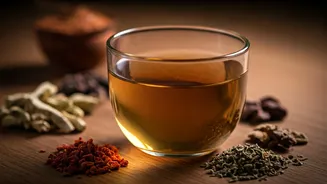
Ayurveda highlights the use of herbs to provide consistent, natural support during menstruation. Herbs like ginger, turmeric, and ashwagandha can alleviate pain, reduce inflammation, and balance hormones. These herbal allies work in synergy with the body to reduce period pain. Integrating these herbs allows you to manage discomfort effectively.
Embracing Self-Awareness
Shifting from resistance to mindful listening is a transformative aspect of managing period pain. Pay attention to the body's signals, embrace self-compassion, and adopt practices that resonate. This involves understanding your cycle and respecting your body's specific needs, and shifting from struggling to actively listening.