




Raw vs Cooked Spinach
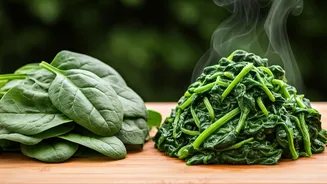
Raw spinach and cooked spinach each offer unique advantages when it comes to iron intake. Raw spinach contains various enzymes and nutrients, some of which
may be diminished during the cooking process. However, the structure of raw spinach can prevent the efficient absorption of iron. Cooking spinach can transform its nutritional profile. Heat breaks down the cell walls, making the iron within more accessible to the body. Simultaneously, cooking reduces the presence of oxalic acid, which can interfere with iron absorption. Therefore, while raw spinach provides intact nutrients, cooked spinach might offer more readily available iron, making it a better choice for maximizing iron intake. Ultimately, the best choice depends on individual needs and preferences; however, understanding the distinct advantages of each preparation method allows for a more informed dietary choice.
Safety of Raw Spinach
Eating raw spinach is generally considered safe for most people. Raw spinach is a popular ingredient in salads and smoothies and provides numerous health benefits. However, consuming raw spinach does come with potential risks, although they are relatively low. Raw spinach, like all fresh produce, may carry the risk of contamination with bacteria such as E. coli or Salmonella. Thoroughly washing raw spinach is essential to minimize this risk. Individuals with compromised immune systems or certain health conditions might be more susceptible to illness from bacteria found on raw produce. Also, some people may experience digestive discomfort from consuming large quantities of raw spinach due to its high fiber content. For individuals with certain digestive issues, cooking spinach might make it easier to digest. Ultimately, for the vast majority of people, consuming raw spinach in moderation poses minimal health risks, provided it is properly washed before consumption.
Choosing the Best Option
Ultimately, the choice between raw and cooked spinach depends on your individual needs and dietary preferences. If your primary goal is to maximize iron intake, cooked spinach emerges as the superior option due to its enhanced iron bioavailability. Cooking spinach breaks down its cell walls, making iron more accessible and reduces the levels of oxalic acid, a compound that inhibits iron absorption. However, raw spinach still offers several benefits. It retains all its natural enzymes and other nutrients that might be partially lost during cooking. If you enjoy the fresh taste and texture of raw spinach and are not concerned about maximizing iron absorption, including it in your diet is perfectly acceptable. The key is to balance both methods and eat spinach regularly. Remember to always wash raw spinach thoroughly to minimize the risk of contamination. Also, consider the specific needs of your body and tailor your spinach consumption to suit your health goals and preferences.