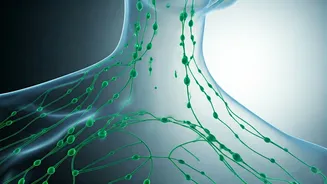








Understanding Lymphatic Drainage
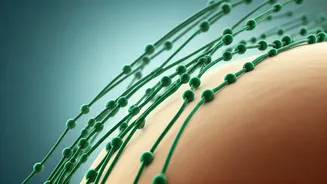
The lymphatic system, situated close to the skin's surface, plays a crucial role in waste removal and fluid balance. When its natural flow is impeded by
factors like poor sleep, high salt intake, hormonal shifts, or inactivity, fluid can accumulate, leading to noticeable puffiness, particularly in the face. Lymphatic drainage massage employs very light, rhythmic, and specifically directed strokes to encourage the movement of this lymphatic fluid through the shallow vessels. This process aims to alleviate temporary fluid retention in the tissues, thereby reducing swelling and promoting a feeling of lightness. The technique is designed to be gentle, as excessive pressure can disrupt the delicate lymphatic pathways and prove counterproductive to the intended drainage effect.
Facial Puffiness and Definition
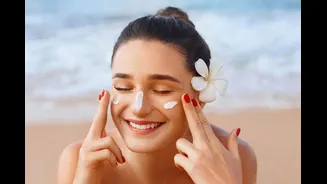
Lymphatic drainage massage can indeed offer a temporary reduction in facial puffiness, especially in common areas like the eyes, cheeks, and jawline. By stimulating the flow of lymphatic fluid, the face may appear less swollen, lending a slightly more defined contour. However, it's crucial to understand that this effect is not a permanent structural lift or a way to address skin laxity. The massage does not alter the underlying skin structure, stimulate significant collagen production, or reverse the signs of aging. The visual improvements achieved through this method are temporary and depend on consistent practice, alongside addressing the root causes of fluid retention.
Beyond Appearance: Skin Health
While the primary function of lymphatic drainage massage is to facilitate fluid movement, its impact on overall skin health beyond temporary appearance enhancement is limited. A short-term 'glow' might be observed due to improved local circulation, but robust scientific evidence supporting significant improvements in skin quality, acne reduction, or pigmentation issues through this massage alone is scarce. For some individuals, the process can offer a sense of relaxation and a mild reduction in swelling. It's important to view these benefits as supplementary rather than a primary treatment for underlying skin conditions or concerns about aging.
Safe Home Practice Guidelines
Attempting lymphatic drainage massage at home is feasible, provided it is performed with extreme gentleness. Given the superficial nature of the lymphatic vessels, applying firm pressure can be detrimental. It is essential to ensure hands or any tools used are thoroughly clean, and that strokes are directed along the natural lymphatic pathways. Individuals experiencing active skin infections, severe inflammatory acne, have undergone recent procedures, or have pre-existing health conditions such as uncontrolled thyroid issues or serious lymphatic disorders should seek professional medical advice before attempting this technique. The massage is a low-risk addition when done correctly but should not replace essential medical care.
Expert Perspective on Limitations
Consulting with dermatology experts confirms that lymphatic drainage massage is not a substitute for professional medical or dermatological treatments, nor does it offer permanent facial lifting. It can serve as a simple, low-risk complementary practice that provides temporary relief from puffiness and a refreshed facial appearance. For persistent swelling, concerns related to aging, or established skin disorders, relying on evidence-based treatments remains the most effective approach. This massage is best considered an adjunct therapy for temporary well-being rather than a cure for significant aesthetic or health issues.