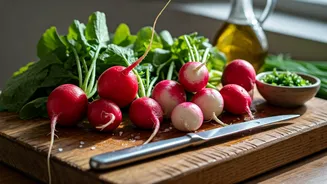

Pickled Perfection
Pickling radishes presents a delightful way to preserve their crisp texture and spicy flavor, making them a fantastic addition to various dishes. When
radishes undergo the pickling process, they become infused with tangy and zesty flavors, evolving into a culinary delight. The transformation creates a complex flavor profile that can vary based on the pickling ingredients used. They can be added to burgers, tacos, or enjoyed as a refreshing snack. To pickle radishes, wash and slice them thinly. Combine water, vinegar, salt, and your favorite spices in a saucepan, bring to a boil, and pour over the radishes in a jar. Allow them to cool and then refrigerate for at least a few days to fully develop the flavors. This pickling process not only extends their shelf life but also amplifies their taste.
Soups and Stews
Radishes offer an unexpected but welcome addition to soups and stews, contributing a subtle peppery note and a satisfying crunch. The radishes become soft and absorb the surrounding flavors, enhancing the soup’s overall taste profile when simmered in a hearty broth. They work particularly well in clear broths, adding a layer of depth. For a radish soup, try sautéing sliced radishes with onions, garlic, and your choice of vegetables. Then, add broth and simmer until the radishes are tender. Puree the soup for a smooth consistency, or leave it chunky for added texture. Garnish with fresh herbs, radish greens, or a swirl of cream for a vibrant and flavorful dish. Radishes, when added to stews, offer a pleasant texture and contribute to the overall balance of flavors.
Stir-Fried and Sautéed
Stir-frying or sautéing radishes brings out their natural sweetness while maintaining a satisfying bite, making them a delightful component in a quick and flavorful dish. The high heat of stir-frying caramelizes the radishes, while the accompanying sauces and seasonings enhance their taste. Slice radishes thinly and stir-fry them with other vegetables like carrots, bell peppers, and snap peas. A dash of soy sauce, ginger, and garlic adds an Asian-inspired touch. Alternatively, sauté radishes with butter, herbs, and a pinch of salt and pepper for a simple yet elegant side dish. The texture changes from crisp to tender when cooked, but the flavor remains distinctly radish. This approach creates a tasty experience, elevating everyday radishes into a versatile ingredient for a variety of meals.
Radish Tops
Don't discard the radish tops! These leafy greens are edible and surprisingly versatile, offering a peppery bite and a wealth of nutrients. Radish tops can be prepared in various ways, from being added to salads to being cooked as a side dish. To use radish tops, wash them thoroughly and chop them. They can be added raw to salads for a peppery kick or sautéed with garlic and olive oil. Sautéed radish greens make a great alternative to spinach or kale. They can also be added to soups, stews, or even blended into pesto. Not only are they delicious, but radish tops also contain vitamins and minerals, adding a nutritional boost to any meal. This provides a way to reduce food waste and add flavor.
Salads with a Twist
Beyond the traditional salad, radishes can elevate any salad with their peppery bite and vibrant color. Radishes can add a crisp texture and a burst of flavor. When preparing salads, slice or dice radishes thinly. They pair well with various other salad ingredients, from greens and vegetables to nuts and cheeses. For an innovative salad, try combining radishes with mixed greens, avocado, feta cheese, and a lemon vinaigrette. Add roasted radishes to salads for a warmer, milder flavor, or use them as a topping for a refreshing crunch. The addition of radishes transforms simple salads into more exciting and flavorful dishes, boosting their nutritional value and aesthetic appeal.
Creative Combos
Radishes lend themselves to creative culinary pairings. The peppery bite complements different flavors, creating unique and memorable dishes. One interesting combination is radishes with butter and salt, a simple yet delicious appetizer. The creaminess of the butter and the salt's enhancement transform the radish's flavor. Radishes also pair well with other ingredients. Try combining them with creamy cheeses like goat cheese or brie for a balanced flavor profile. Consider using radishes in tacos, alongside grilled fish, or as a garnish for ceviche. Experimenting with flavor combinations offers unexpected results, pushing the boundaries of traditional cuisine while celebrating the radish's versatility.
Roasted Goodness
Roasting radishes transforms their flavor, mellowing their spice and bringing out their natural sweetness. Roasting enhances the radishes' flavor, creating a tender texture with a caramelized exterior. To roast radishes, wash and trim them, then toss them with olive oil, salt, pepper, and your favorite herbs. Roast them in a preheated oven until tender and slightly browned. The roasting process removes the harshness associated with the raw radishes, making them milder and more palatable for those who usually avoid the raw taste. Serve roasted radishes as a side dish, add them to salads, or use them as a topping for pizzas or grain bowls. This method is an ideal way to explore the radish's depth, moving beyond their typical use.
Unexpected Uses
Radishes can be incorporated into surprising and innovative culinary applications, proving their adaptability. The radish's versatility extends beyond traditional cooking, creating opportunities to use it in new and inventive ways. For a unique approach, try using radishes in sandwiches or wraps, adding a crunchy texture and a peppery bite. Slice them thinly and include them with other sandwich fillings for a vibrant addition. They can be used to add color and flavor. You can also incorporate radishes into dips and spreads. Adding finely grated radishes to a cream cheese or hummus dip introduces a subtle spice and a delightful crunch. Experimenting with these approaches reveals the extensive applications of radishes in various meal preparations.
Radish-Inspired Garnishes
Radishes offer numerous opportunities for visually appealing and flavorful garnishes that enhance the presentation of any dish. When it comes to garnishing, radishes provide a pop of color and a fresh flavor. Consider using radish roses, which can be carved from whole radishes and offer a decorative touch. Simple slices or finely diced radishes also work, adding textural contrast. Add radish slices to a plate for garnish, or as a topping for soups. Incorporating radish garnishes elevates the visual appeal of a dish, making it look as good as it tastes. This simple adjustment demonstrates that radishes are versatile and can be used both to add flavor and enhance a meal's visual presentation.
Explore & Enjoy
Embracing the varied ways radishes can be used in cooking creates a deeper appreciation for their versatility and culinary benefits. Try incorporating these suggestions to fully enjoy the radish's appeal. Consider the radish's potential in the kitchen by exploring various cooking techniques. Experiment with different recipes, from quick stir-fries to slow-cooked stews, to appreciate its culinary potential. By expanding the use of radishes, cooks can discover exciting flavors and add diversity to their meal preparation. The simplicity and the creative opportunities with radishes will surely enrich your culinary endeavors, and provide inspiration in developing new, exciting flavors.