








What are Blue Zones?
The concept of 'Blue Zones' pinpoints geographical areas globally where inhabitants exhibit extraordinary lifespans, frequently reaching their 90s and
100s with a notably lower incidence of chronic illnesses. This term was popularized by Dan Buettner, a National Geographic explorer, after his initial investigation in Okinawa. Collaborating with demographers and scientists like Gianni Pes and Michel Poulain, Buettner’s research involved meticulously analyzing demographic data to identify these pockets of exceptional longevity. The moniker 'Blue Zones' originated from the blue ink Pes used to circle these centenarian-rich villages on maps of Sardinia. Subsequent investigations consistently highlighted five specific regions that not only boasted extended life expectancies but also maintained a high quality of life among their aging populations.
The Power 9 Principles
Researchers have distilled the common denominators of longevity in these remarkable communities into nine core lifestyle habits, known as the 'Power 9.' These principles emphasize integrating natural movement into daily life rather than relying on structured exercise routines. Diets are predominantly plant-based, rich in legumes and a variety of vegetables, with an emphasis on mindful eating, stopping when individuals feel about 80% full. Cultivating a profound sense of purpose, often referred to as 'ikigai' in Okinawa or 'plan de vida' in Nicoya, is crucial for motivation. Stress management is addressed through simple daily rituals, which can include naps, prayer, or dedicated social time. Furthermore, robust family connections and strong, supportive communities are paramount, ensuring older individuals remain active and integrated members of society rather than becoming isolated.
Okinawa, Japan: Gardens and Community
Okinawa, nestled at Japan's southern tip, is celebrated for its picturesque beaches and distinctive Ryukyuan culture, but perhaps most notably for its exceptionally long-lived women. Many elder Okinawans can articulate their 'ikigai,' a driving force that motivates them each morning. Their daily routines often involve tending to vegetable gardens, participating in 'moais'— lifelong friendship circles that provide unwavering social support—and continuing to engage in work, cooking, and movement well into their advanced years. The longevity observed here is attributed to a diet rich in sweet potatoes, tofu, and green vegetables, complemented by robust social networks and consistent physical activity. Travelers can experience this by practicing 'Hara Hachi Bu' (eating until 80% full), joining farm-to-table experiences, exploring the Yambaru Forest, visiting Ogimi village, engaging in 'moai' culture, and trying traditional crafts or gentle outdoor activities.
Nicoya, Costa Rica: A Purposeful Life
The Nicoya Peninsula in Costa Rica presents a captivating landscape of golden beaches and tranquil inland villages, characterized by a slower pace of life. Areas like Santa Teresa and Nosara blend surfing culture with jungle-adorned yoga studios, while further inland, Nicoya town offers a glimpse into colonial streets and local markets. Nature is an ever-present element, with the sounds of howler monkeys and sightings of iguanas being common. The longevity in Nicoya is closely tied to their 'plan de vida,' or life plan, which provides a strong sense of purpose. Residents naturally incorporate movement into their days, whether through surfing or exploring natural reserves. Their diet leans heavily on beans, corn, and tropical fruits. To experience this Blue Zone, visitors can try surfing at renowned spots, engage in outdoor activities like hiking or exploring caves, visit local towns to immerse in community life, and embrace the unhurried evenings by the beach, perhaps joining a yoga session.
Sardinia, Italy: Mountainous Resilience
In the rugged, mountainous regions of Sardinia, Italy, particularly in Nuoro and Ogliastra, men boast some of the world's highest rates of reaching 100 years old. This Italian island was the first Blue Zone identified by researchers. While genetics play a role, lifestyle factors are significant: daily walking, especially for shepherds traversing steep terrain, extended social lunches, and red wine as a daily ritual. The diet is largely plant-based, emphasizing legumes and whole grains. Families are closely knit, and social structures are strong. Travelers seeking to experience Sardinia's longevity can embrace 'la vita sarda' by walking extensively, including hikes in challenging landscapes, enjoying leisurely meals, and visiting the small villages that dot the island. Immersive experiences like traditional pasta-making or farm visits further connect visitors to the local way of life. Traditional Sardinian foods include hearty soups, crisp pane carasau, handmade pasta like culurgiones and malloreddus, pecorino cheese, and the local Cannonau wine.
Ikaria, Greece: Relaxed Living and Herbal Teas
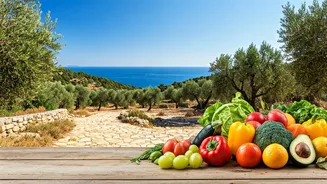
The Greek island of Ikaria, despite its proximity to popular tourist destinations, maintains a distinct, unhurried rhythm of life. Residents often enjoy afternoon naps, consume herbal teas throughout the day, and dine late into the evening. The island's geography necessitates constant, low-intensity movement. Researchers have noted exceptionally low rates of dementia and heart disease among Ikarians, with many living well into their 90s. Their diet is Mediterranean-style, abundant in vegetables, beans, potatoes, and olive oil. Strong community bonds are evident, with neighbors frequently visiting each other. Travelers can experience Ikaria by visiting its thermal springs, engaging in tastings of local produce and teas, embracing movement through walks and hikes, dining at local tavernas featuring wild greens and goat cheese, and relaxing on its beautiful beaches. Ikarian cuisine includes dishes like Horta, Soufiko, Gigantes, Pitarakia, goat's milk products, sourdough bread, and fresh fish.
Loma Linda, California: Faith and Community
Loma Linda, California, a suburban community just outside Los Angeles, stands out as a significant longevity hotspot, largely due to the lifestyle adopted by members of the Seventh-day Adventist church. These individuals have cultivated habits centered around their faith, a predominantly vegetarian diet, strong social connections, and a dedicated weekly period of rest known as the Sabbath. Research indicates that Adventists in Loma Linda live considerably longer than the average American. Key to their lifestyle is the avoidance of smoking and alcohol, a plant-forward eating pattern, and the structured observance of the Sabbath, which provides a 24-hour reprieve from work and daily stressors. For travelers, experiencing Loma Linda involves appreciating its slower pace by walking local trails, spending time in its parks and quiet spaces, and engaging with community life through farmers' markets or local gatherings. While not explicitly a tourist destination, the town's ethos of well-being is palpable.