

Tiny Pots, Big Problems
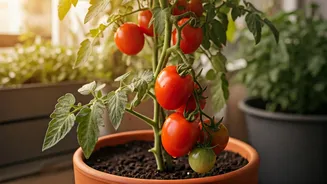
One of the most frequent missteps when growing tomatoes in containers is using pots that are too small for the plants to flourish. Tomatoes are vigorous
growers and require ample space for their root systems to develop fully. Insufficient root space directly translates to limited access to water and nutrients, significantly hindering the plant's ability to reach its full potential and produce a substantial yield. While the ideal container size can vary depending on the specific tomato variety, a general guideline suggests that most average tomato plants need a container with a capacity of at least 10 to 20 gallons. It's worth noting, however, that excessively large containers can also present challenges, potentially leading to overwatering issues if not managed carefully.
Watering Wisdom
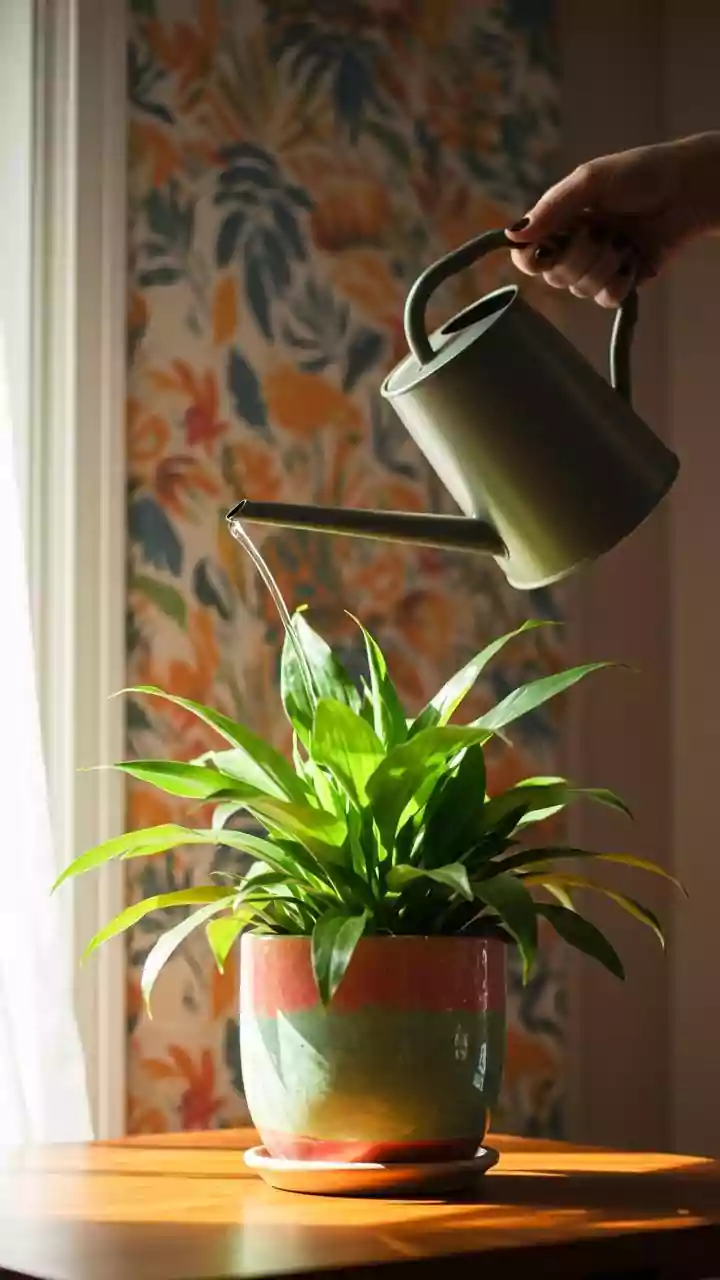
Mastering the art of watering is paramount for successful tomato cultivation, especially in pots. Both overwatering and underwatering can lead to detrimental issues. When soil becomes waterlogged, plants can effectively drown, while insufficient moisture can trigger blossom end rot, a condition that causes the bottom of the fruit to turn black. Inconsistency in watering is also a major culprit, contributing to split tomatoes, stressed plants, and an increased susceptibility to diseases like blossom end rot. The key is to maintain a consistently moist, but not saturated, soil environment. To gauge moisture levels, insert your finger about an inch or two into the soil; if it feels dry to the touch, it's time to water. Alternatively, the weight of the pot can offer clues – a surprisingly light pot suggests the soil is drying out. Ensure your containers have adequate drainage holes to allow excess water to escape freely. For containers placed on non-porous surfaces like patios, consider using pot feet to facilitate drainage. Water thoroughly until you see water draining from the bottom, ensuring the entire root ball is hydrated. Self-watering containers can also be an excellent solution for consistent moisture management.
Drought Dangers
Conversely, neglecting to water sufficiently can be just as damaging to your container-grown tomatoes. The amount of water a tomato plant needs is dynamic, influenced by various environmental factors such as wind, heat, humidity, the size of the container, and the type of potting mix used. As the growing season progresses and plants mature into large, fruit-laden specimens, their water requirements can escalate dramatically, sometimes necessitating watering once or even twice daily during peak heat. When watering, it’s crucial to provide a deep soak rather than a superficial sprinkle. A light watering only reaches the top layer of soil, leaving deeper roots parched. Aim to direct water at the base of the plant, targeting the soil and avoiding the foliage, as wet leaves can foster fungal diseases. Despite their appeal, water crystals are generally not recommended, as they can be costly and have proven to be largely ineffective in independent tests.
Crowding Catastrophes
Resist the temptation to overcrowd your containers with multiple tomato plants, as this is a common and detrimental practice. Unless you are using an exceptionally large container, akin to the size of a raised garden bed, it is best to dedicate each pot to a single tomato plant. While several plants might physically fit and survive in a crowded pot, their growth will be severely stunted, and their fruit production will be significantly diminished. The competition for resources – water, nutrients, and light – becomes intense, preventing any single plant from thriving and yielding a worthwhile harvest. Proper spacing is vital for each plant to reach its full potential and reward you with abundant tomatoes.
Sunlight Scarcity
Tomatoes are ardent sun-worshippers and demand full, direct sunlight for a minimum of 6 to 8 hours each day. It's a common error to overestimate the amount of sun an area receives. To accurately assess sunlight exposure, consider using a watch or a dedicated sunlight meter to confirm that your chosen location provides the requisite uninterrupted sunshine. Remember that the intensity and duration of sunlight can change considerably throughout the growing season due to factors like shifting foliage or the sun's angle. Therefore, it's advisable to re-evaluate the sun exposure of your tomato pots periodically, perhaps weekly, to ensure that nothing is impeding their access to this essential element.
Chilly Conditions
Beyond ample sunshine, tomatoes thrive in warmth and are highly sensitive to cold temperatures, possessing no tolerance for frost. Eagerly planting tomatoes early in the season, before the consistent warmth has settled in, can be a setback rather than a head start. These plants will not begin to grow vigorously until the ambient temperature is reliably warm. If you wish to extend the growing season or plant out earlier, consider protective measures such as covering young plants with plastic sheeting during cold snaps or placing them on mobile platforms that can be brought indoors or into a protected space, like a garage, overnight until consistent warm weather arrives. Crucially, if you employ such methods to protect seedlings, remember to properly harden them off before permanently situating them outdoors.
Staking Stumbles
Delaying the provision of support structures for your tomato plants is a frequent mistake that can have significant consequences. Tomatoes grow rapidly, and it is most advantageous to stake or cage them at the very moment of planting. This proactive approach prevents them from becoming large and unwieldy, making subsequent support more challenging. Adequate support not only allows tomato plants to grow stronger and taller but also encourages them to produce a greater quantity of fruit. Furthermore, without robust staking or caging, your plants are vulnerable to strong winds, particularly during thunderstorms, which can easily topple them, snap their stems, and prematurely end their fruiting season.
Feeding Fumbles
Tomatoes are classified as heavy feeders, meaning they require consistent and regular nutrient supplementation, especially if your potting soil isn't pre-fertilized. Most standard potting mixes contain limited essential nutrients necessary for robust tomato growth and health. To compensate, you must actively add these nutrients to the soil or enrich existing mixes that might be heavy on compost. A variety of fertilizers are suitable, with general-purpose organic slow-release options or those specifically formulated for tomatoes and vegetables being excellent choices that can be incorporated into the potting soil. Additionally, applying a diluted liquid feed, such as fish emulsion or seaweed extract, every week or two can provide a valuable boost. Ensuring adequate calcium is also important; this can be supplied through lime or liquid calcium supplements, as a deficiency can contribute to blossom end rot.