




Setting New Distances
The Artemis II mission etched its name in history by surpassing the Apollo 13 crew's long-standing distance record from Earth. On April 6th, the Orion
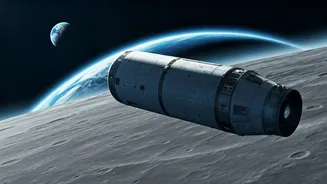
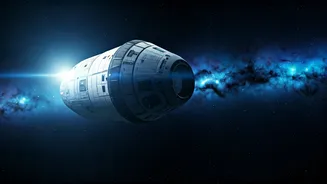
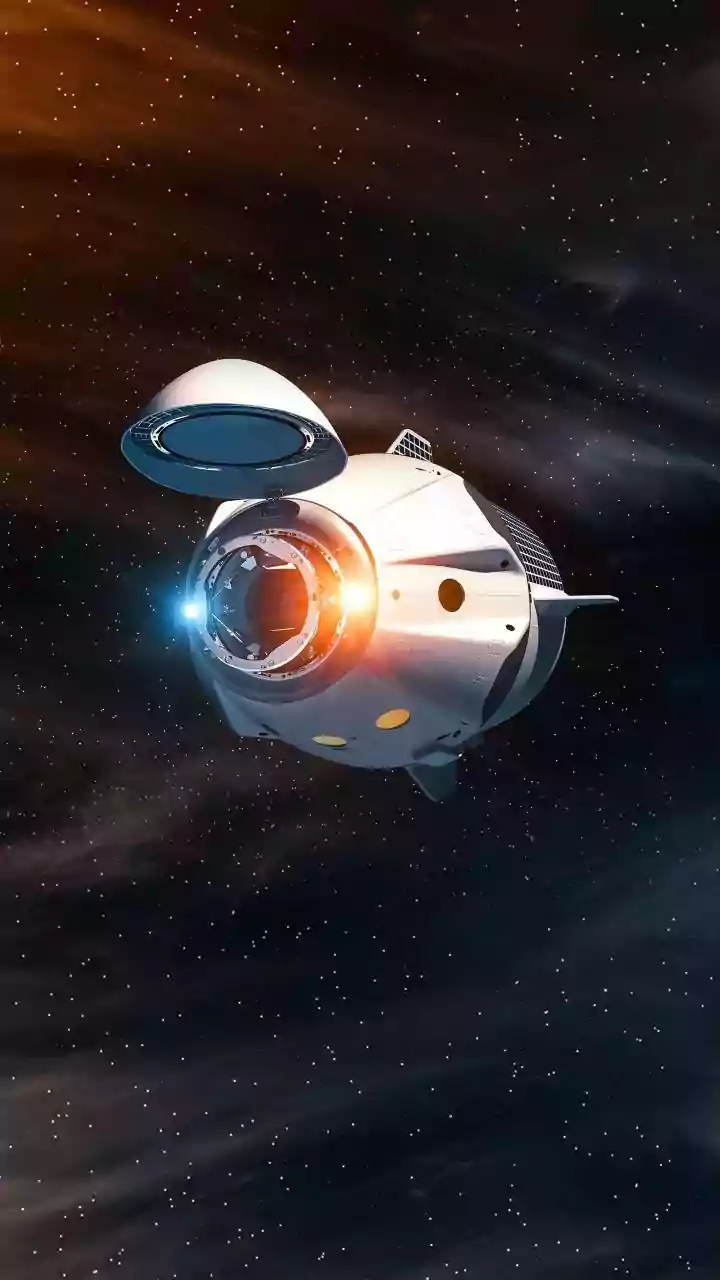
spacecraft, carrying its four-person crew, ventured further than any humans before, reaching an astonishing maximum distance of 252,757 miles from our home planet. This monumental achievement occurred as the spacecraft swung around the far side of the Moon, offering never-before-seen perspectives of its hidden hemisphere. The crew diligently documented their journey, capturing breathtaking images of both Earth and the Moon, some of which are perfect for digital displays due to their stunning contrast and deep black levels, especially on OLED screens. This record-breaking feat underscores the ambition and capability of modern space exploration, pushing the boundaries of what is possible for human spaceflight.
A Glimpse of the Far Side
For the first time in decades, humans had the opportunity to observe the far side of the Moon up close, thanks to the Artemis II mission. While the spacecraft completed its orbital flyby, astronauts were treated to panoramic views of lunar landscapes previously hidden from Earth's direct gaze. The mission involved detailed observations of the lunar surface, providing invaluable data for future landing site selections. Specifically, the crew captured a remarkable image of the Orientale basin in its entirety, a colossal multi-ring impact crater that serves as a benchmark for understanding celestial bodies across the solar system. This endeavor not only provided scientific insights but also offered a profound new appreciation for our celestial neighbor, extending humanity's visual understanding of its entirety.
Tech and Challenges
Despite the advanced nature of the Artemis II mission, the crew encountered familiar technological hiccups, notably an issue with Microsoft Outlook on a Surface Pro device. This prompted discussions about NASA's reliance on older, yet thoroughly tested and certified, technology. To manage costs, pre-approved hardware was selected, contributing to the mission's overall efficiency. Additionally, the mission experienced launch date postponements, a common occurrence in complex space endeavors. The European Service Module played a crucial role in guiding the Orion spacecraft, demonstrating a blend of cutting-edge and reliable systems. The crew also utilized iPhones for capturing photos and videos, though with limited functionality due to the lack of internet connectivity, highlighting the specialized tools required for space missions.
Historic Return Journey
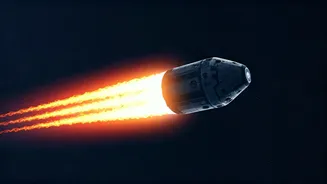
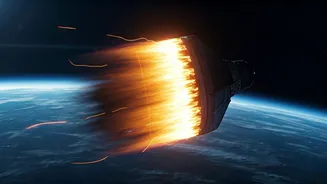
Following their groundbreaking lunar flyby, the Artemis II crew embarked on their return trajectory, culminating in a successful splashdown in the Pacific Ocean off the coast of San Diego. This marked the end of their 10-day mission, demonstrating the robustness of the Orion spacecraft's systems, including its heat shield, which was designed to withstand the intense forces of atmospheric re-entry. The mission served as a critical test for the hardware and protocols necessary for future lunar landings. The astronauts were retrieved by Navy recovery crews and brought aboard the USS John P. Murtha for immediate medical evaluations, ensuring their safe transition back to Earth after their historic voyage.
Looking Ahead to the Moon
The Artemis II mission represents a significant stride in NASA's broader Artemis program, which aims to re-establish a sustainable human presence on the Moon and eventually send astronauts to Mars. Building upon the success of the uncrewed Artemis I mission and the crewed Artemis II lunar flyby, future missions like Artemis IV, scheduled for 2028, are designed to land the first woman and the next man on the lunar surface. The technologies and operational experience gained from Artemis II are vital for preparing for these ambitious future endeavors, pushing the envelope of human exploration and scientific discovery beyond Earth's orbit, continuing humanity's quest to explore the cosmos.