






Fitness, Fury, and BP
A pervasive lack of physical conditioning often acts as a breeding ground for escalating anger and an internal sense of restlessness. When the body isn't
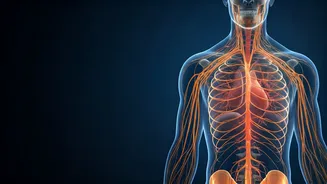
regularly engaged in beneficial physical activity, the nervous system becomes disproportionately burdened. This vulnerability manifests in frequent emotional outbursts, which, in turn, trigger a cascade of physiological responses. The release of stress hormones, a direct consequence of these agitated states, causes a significant spike in blood pressure. Simultaneously, blood vessels undergo constriction, a dangerous combination that sets the stage for a variety of serious health complications, including debilitating migraines, persistent headaches, and an alarmingly elevated heart rate. This intricate interplay highlights how a sedentary lifestyle can directly contribute to hypertension and its associated risks.
The Paralysis Connection
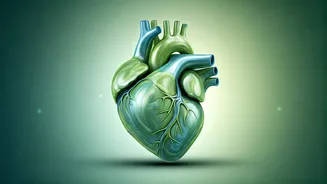
The relentless cycle of stress hormones flooding the system due to a frazzled nervous system, exacerbated by poor fitness and anger, poses a significant threat. When blood pressure remains chronically elevated, it places immense strain on the cardiovascular system and the delicate network of blood vessels. This sustained high pressure can lead to damage in these vessels, making them more prone to blockages or ruptures. In severe cases, a critical event such as a stroke, which is often a consequence of unchecked high blood pressure, can result in paralysis. This terrifying prospect fuels a deep-seated fear, a valid concern for individuals whose blood pressure is not managed effectively. The connection is clear: a compromised nervous system and uncontrolled hypertension significantly elevate the risk of severe neurological events.
Yoga's Calming Influence
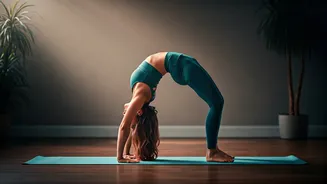
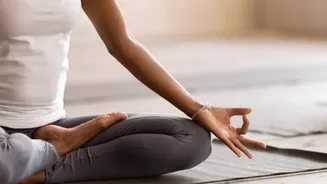
In addressing the root causes of elevated blood pressure and the associated anxieties, practices like yoga, as advocated by Swami Ram Dev, offer a powerful antidote. Yoga works on multiple levels to restore balance. The physical postures (asanas) help to release physical tension and improve circulation, promoting better cardiovascular health. The breathing exercises (pranayama) are specifically designed to calm the nervous system, reducing the production of stress hormones and fostering a sense of tranquility. Through regular practice, individuals can learn to manage their emotional responses more effectively, thereby mitigating the triggers that lead to sudden BP spikes. This holistic approach not only helps in controlling blood pressure but also diminishes the fear of serious complications like paralysis by building resilience and inner peace.