




A Gift From Afar
In the bustling 19th century, intrepid Parsi merchants journeyed from Gujarat to China, primarily for the lucrative tea trade. Their voyages, however,
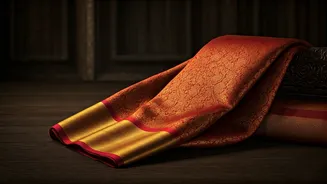
unexpectedly sowed the seeds for a garment that would become synonymous with elegance and heritage. During these expeditions, they encountered a lustrous Chinese silk, known locally as 'gaaj'. More than just a valuable commodity, this exquisite silk was carefully selected as a heartfelt gift for their wives back home. This act of affection, bridging continents, would ultimately transform the imported silk into the foundation of the now-celebrated Parsi Gara saree, an emblem of intricate artistry and cross-cultural exchange. This wasn't merely about commerce; it was about connection and cherishing loved ones through tangible tokens of appreciation, leading to the creation of an iconic textile.
Luxury in Thread
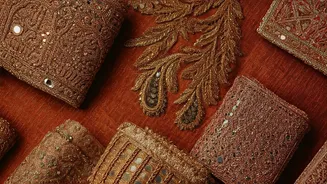
The Parsi Gara saree, during its zenith between the 1870s and 1920s, was an object of immense luxury, quite literally valued by its weight. This unique pricing strategy underscored the sheer density and complexity of the hand-embroidery that adorned each saree. The more intricate and abundant the stitching, the heavier the garment became, and consequently, its market value soared. This direct correlation between embroidery weight and worth meant that sarees boasting exceptionally dense patterns were considered the most prized. The artistry wasn't just visual; it contributed tangibly to the saree's prestige, making each piece a significant investment and a testament to the unparalleled skill of the artisans who brought them to life.
Defining the Gara
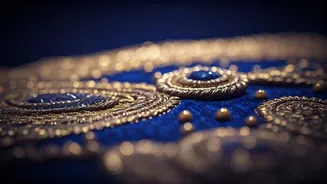
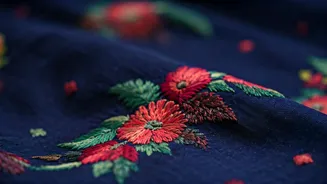
The term 'Gara' itself has roots in the Gujarati language, stemming from the word 'gallo'. Historically, 'gallo' referred to a generous length of silk fabric, typically measuring over 3.5 yards. What distinguished the Gara was not just its substantial size, but the fact that it was completely covered, edge to edge, with breathtaking artistry. This wasn't a fabric meant for subtle embellishments; it was a canvas for elaborate, painstaking embroidery that transformed the silk into a wearable masterpiece. The very definition of Gara implies a complete immersion in design, a celebration of fabric elevated by meticulous needlework, creating a rich tapestry of tradition and beauty.
European Style Fusion
Parsi women, with their forward-thinking sensibilities, embraced a distinctive fashion statement by integrating the Gara saree into a more Westernized aesthetic. They masterfully paired these opulent silk garments with elements like delicate stockings, blouses featuring intricate frills, elegant brooches, and sophisticated heels. This fusion of traditional Indian attire with contemporary European fashion created a unique and bold sartorial language. It showcased a confident blend of cultural influences, demonstrating a flair for innovative styling that was both beautiful and strikingly modern for its time, setting them apart with their chic and hybrid ensembles.
Nature's Motifs
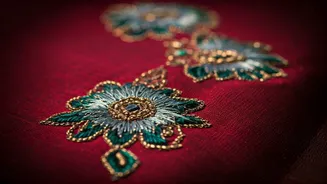
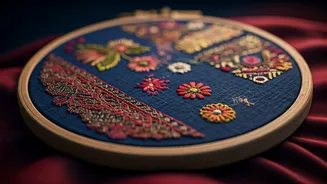
The enchanting beauty of the Parsi Gara saree lies in its vibrant depiction of the natural world, meticulously stitched to appear almost alive. These sarees are adorned with a rich tapestry of flora and fauna – blooming flowers, gracefully depicted birds, and lush foliage. Each motif is imbued with deep symbolism, conveying messages ranging from good fortune and prosperity to divine protection. The patient hand-embroidery brings these elements to life, transforming the silk into a narrative of nature's bounty and the values cherished by the Parsi community, making each saree a piece of art with a profound meaning.
Symbolism Woven In
Beyond their aesthetic appeal, the motifs on Parsi Gara sarees are rich with storytelling and cultural significance. For instance, the depiction of a Chinese couple is a potent symbol of marital harmony and enduring partnership. Rooster families elegantly embroidered onto the fabric represent abundance and the prosperity of a household. Even seemingly humble elements, like the tiny 'karolia' spider, are believed to hold protective qualities. In a delightful nod to their culture, designs featuring onions and potatoes are sometimes found, a quirky yet charming reflection of the Parsi community's profound love for feasting and celebrating life's joys through food.
Avian Elegance
Among the diverse motifs gracing the Parsi Gara saree, specific birds carry significant meaning. Cranes, often depicted with stately grace, are symbols of dignity, nobility, and high social standing, reflecting a desire for respect and esteemed position. Equally prominent is the depiction of the phoenix. This mythical bird embodies powerful values such as the primal element of fire, signifying purification and renewal, alongside resilience and fierce independence. These avian symbols are not merely decorative; they are threads of meaning, weaving in aspirations and core beliefs into the very fabric of the saree.
Revival and Legacy
The art of the Parsi Gara saree, a craft that faced the risk of fading into obscurity, is experiencing a heartening revival. Dedicated brands and passionate revivalists are actively working to support artisan families, ensuring the survival of this nearly-lost tradition. This movement not only preserves the intricate hand-embroidery techniques but also creatively adapts the Gara's iconic motifs and aesthetics into contemporary fashion pieces. You'll now find these beautiful designs reimagined in elegant jackets, flowing lehengas, and other modern apparel, bridging the gap between heritage and present-day style, and keeping the legacy alive for new generations.
A Priceless Heirloom
The value of an authentic Parsi Gara saree transcends its monetary worth; it is an investment in heritage, art, and emotion. These exquisite garments can command prices upwards of lakhs of rupees, a testament not only to the extraordinary craftsmanship and the hours of meticulous hand-embroidery involved but also to the profound stories and histories they encapsulate. Each saree is a repository of cultural narratives, a tangible link to ancestral traditions, and a beautiful embodiment of the love and affection that inspired their creation across continents centuries ago, making them truly priceless heirlooms.