





A New Chapter
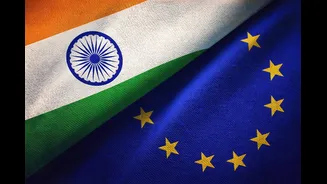
The conclusion of the India-EU Free Trade Agreement (FTA) marks a significant moment in the economic partnership between India and the European Union.
This agreement opens new doors for trade and investment, creating opportunities for businesses and individuals alike. It's a comprehensive pact that aims to boost economic growth through reduced tariffs, improved market access, and enhanced cooperation across various sectors. The FTA is more than just a trade deal; it's a strategic alliance that aims to strengthen political ties and promote stability between India and the EU. The agreement reflects a commitment from both sides to work collaboratively, fostering a robust economic relationship. This is expected to usher in a new era of growth, innovation, and mutual benefit, aligning with the broader China+1 strategy.
Trade Benefits Unveiled
One of the key benefits of the India-EU FTA is the duty concessions for Indian exporters, particularly in the agricultural sector. These concessions will make Indian products more competitive in the European market, boosting exports. The agreement also provides duty-free access for textiles, giving a significant advantage to the textile industry. Furthermore, the FTA is expected to facilitate easier entry for Indian professionals into the EU, opening up new career opportunities. The agreement encompasses various sectors, ensuring that a wide range of industries will benefit from reduced tariffs and streamlined trade processes. The initial reaction to the FTA has been largely positive, with industry leaders expressing optimism about the future of India-EU trade relations.
Impact & Opportunities
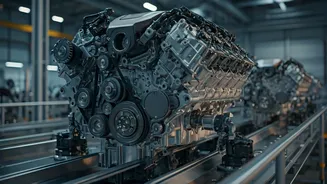
The automotive industry is among the sectors anticipating a noticeable impact from the India-EU FTA. This deal is expected to create new opportunities for both Indian and European automakers, potentially leading to increased investment and collaboration. The IT sector is also poised to benefit from this agreement, with the potential for increased exports and market diversification. The agreement is also expected to encourage low-carbon cooperation and promote sustainable practices in the steel trade. The FTA's focus on growth aligns with the country's strategic priorities, and it is viewed as a vital step towards enhancing India's position in the global economy. This FTA will support growth in many sectors and attract investments to help the country's economy grow at a faster pace.
Political & Economic Ties
Beyond its economic advantages, the India-EU FTA is instrumental in strengthening political ties between India and the EU. The agreement reflects a shared commitment to building a stable and balanced relationship, fostering cooperation in various areas. The FTA provides a platform for increased dialogue and collaboration on global issues. The agreement fosters a cooperative framework that promotes strategic alignment and mutual support on the international stage. As the deal takes effect, it is expected that the ongoing strengthening of ties will result in enhanced diplomacy and coordination on a global scale. This is anticipated to enhance India's role in international forums and help in tackling global challenges more efficiently.
Looking Ahead
As India and the EU embark on this new chapter, the focus is on effective implementation and maximizing the benefits of the FTA. The agreement is expected to pave the way for increased economic activity, job creation, and investment opportunities. While challenges are always possible, the overall sentiment is one of optimism and hope for the future of India-EU relations. This FTA promises to transform trade dynamics, strengthen partnerships, and promote mutual prosperity. The success of this FTA will depend on effective implementation, continued dialogue, and a shared vision for a prosperous future. The collaboration between India and the EU is anticipated to serve as a model for other trade partnerships.