






Idli: The Classic
Idli, the iconic South Indian breakfast, tops the list for good reason. These fluffy, steamed rice cakes are incredibly light and easily digestible. Traditionally
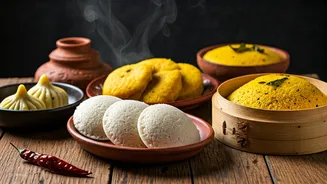
made from fermented rice and urad dal batter, idlis are a rich source of carbohydrates and proteins. Preparing them involves soaking the rice and lentils, grinding them into a smooth batter, allowing fermentation, and then steaming the batter in special idli molds. Serve with sambar (a lentil-based vegetable stew) and coconut chutney for a complete and satisfying meal. Idli's simplicity makes it a staple, adaptable to various dietary needs.
Dhokla: Gujarati Delight
Dhokla, a savory steamed cake originating from Gujarat, offers a tangy and slightly sweet flavor profile. Typically, it is made from fermented batter of gram flour (besan), often with added semolina or rice flour for texture. The batter is seasoned with spices like ginger, green chilies, and mustard seeds. It's then steamed until fluffy. A tempering of mustard seeds, curry leaves, and sometimes, green chilies adds a delightful aroma and taste. Dhokla is a good source of protein, fiber, and carbohydrates. It's often served with coriander chutney, making it a flavorful and healthy breakfast choice.
Puttu: Kerala’s Treasure
Puttu, a popular breakfast in Kerala, comprises steamed cylinders of ground rice and coconut. Traditionally, it’s cooked in a puttu kutti (a special steamer) using layers of rice flour and grated coconut. The rice flour is often mixed with salt and water to create a slightly moist texture. This mixture is then alternated with layers of coconut in the steamer. Steaming the puttu cooks the rice while infusing it with coconut flavor. Puttu is usually served with kadala curry (black chickpea curry) or banana, creating a wholesome and nutritious meal rich in carbohydrates and fiber.
Modak: Maharashtrian Sweet
Modak is a sweet steamed dumpling, especially popular in Maharashtra, traditionally prepared during the Ganesh Chaturthi festival. The outer covering is made from rice flour, and the filling typically consists of grated coconut and jaggery. The mixture is delicately flavored with cardamom. The rice flour dough is carefully shaped around the filling and then steamed until cooked. Modaks provide a delicious blend of textures and tastes. These sweets offer a delightful way to begin the day, providing a boost of energy and sweetness, though best enjoyed in moderation.
Idiyappam: String Hoppers
Idiyappam, also known as string hoppers, is another delightful South Indian breakfast. Made from rice flour, these are steamed vermicelli-like noodles. The rice flour dough is pressed through a sieve to create the thin strands, which are then steamed until soft. They're usually served with a variety of accompaniments. Coconut milk, vegetable stew, or egg curry are common. Idiyappam offers a light and versatile breakfast, being relatively low in calories and easy to digest. It's a great option for those seeking a quick and healthy meal.
Khaman: Another Gujarati
Khaman, a Gujarati savory snack, offers a variation on the dhokla theme, but with a different texture and preparation. It's made from a fermented batter of chana dal (split chickpeas) and spices. The batter is steamed until fluffy. Khaman is often served with a tadka (tempering) of mustard seeds, green chilies, and curry leaves. It is a light and fluffy snack with a slightly tangy taste. Its preparation varies across regions, sometimes including ingredients like soda-bi-carbonate to achieve a perfect, airy texture. Served with coriander chutney, it makes a tasty breakfast.
Bati: Rajasthani Delight
Bati, a quintessential Rajasthani dish, is traditionally baked but can also be steamed for a healthier version. The dough is made from wheat flour, ghee, and salt. These are spherical, hard, and dense dumplings, a staple food in Rajasthan. While traditionally baked in a specific oven, they can be steamed until cooked through. Batis are served with dal (lentil soup) and churma (sweet crumbled bread), offering a hearty and filling breakfast. Steaming ensures a relatively lighter option, making it easier to digest compared to the baked versions, while retaining the unique flavor and texture.
Momo: Himalayan Staple
Momos, popular in the Himalayan regions and now widely loved across India, are steamed dumplings that can be made with various fillings. Commonly, these include vegetables, paneer (Indian cheese), or meat. The dough, typically made of all-purpose flour, is shaped around the filling, then steamed until cooked. Momos are often served with a spicy tomato-based chutney. These are a hearty and flavorful breakfast option, providing a good source of protein and carbohydrates, depending on the filling. Momos offer a delicious and diverse way to enjoy a steamed breakfast.
Uttapam: Savory Pancake
Uttapam, a South Indian savory pancake, is a delicious and versatile breakfast. Made from fermented rice and urad dal batter, similar to idli, uttapam is thicker. Vegetables like onions, tomatoes, and chilies are often added on top before cooking. Traditionally cooked on a griddle, they can be adapted to be steamed, offering a healthier choice. The batter is spread on a pan to cook. To create a steamed version, use a steamer to cook them until fluffy. Uttapam combines the goodness of rice and lentils with vegetables, making it a nutritious and fulfilling breakfast. Served with sambar and chutney, it's a complete meal.
Thukpa: Tibetan Noodle Soup
Thukpa, a Tibetan noodle soup, provides a warm and comforting breakfast option. It can be easily adapted to be steamed. It features thick wheat noodles cooked in a broth with vegetables, and sometimes meat or eggs. The broth is usually seasoned with spices like ginger, garlic, and chili. While traditionally boiled, it can be steamed to retain maximum nutritional value. Thukpa is a hearty and flavorful breakfast, especially during the colder months. Steaming maintains the freshness of the vegetables and noodles, offering a healthy and filling way to start the day. Enjoyed with various toppings, it is a versatile option.