





Defining Pucca Houses
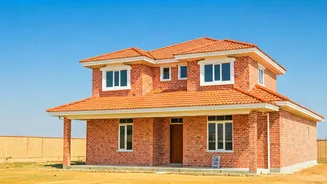
A pucca house is a permanent structure, generally constructed with durable materials. Typically, it features a strong foundation, walls made of brick,
concrete, or stone, and a roof of concrete or tiles. These houses are designed to be long-lasting and are often found in both urban and rural India, symbolizing a level of economic stability and security for the inhabitants. In contrast to temporary dwellings, pucca houses withstand the elements, providing a safe and comfortable living environment. They are constructed in a way that adheres to building regulations, indicating a commitment to quality and longevity. The materials used contribute to the house's ability to resist weather conditions, offering protection and a sense of permanence for those who reside in them. The durability is a crucial factor in the widespread preference for pucca houses across India.
Types of Construction
Pucca houses come in a variety of types, each with its unique construction methods and materials. One common type is the 'Brick and Mortar House,' which utilizes bricks bonded together with mortar, providing solid and robust walls. 'Stone Masonry Houses' are another variant, constructed using stones, delivering a traditional and often aesthetically pleasing structure, known for its resilience. 'Concrete Structure Houses' are another popular choice. These houses are made of concrete, offering durability and flexibility in design. Additionally, 'RCC (Reinforced Cement Concrete) Houses' are widely prevalent, utilizing steel reinforcement within the concrete to increase strength and resistance to external forces such as earthquakes. Each type offers distinct advantages, catering to different preferences and needs while upholding the core principles of permanence and quality associated with pucca houses.
Pucca vs Semi-Pucca
When comparing pucca and semi-pucca houses, several distinctions emerge. A semi-pucca house combines elements of both pucca and kutcha construction. While it may have some pucca components, such as a brick foundation or walls, it often incorporates less durable materials for other parts, such as the roof. For example, a semi-pucca house might have a concrete foundation and brick walls, but a roof made of tin sheets or other less permanent materials. Pucca houses, on the other hand, are constructed entirely with strong, permanent materials designed to last. Semi-pucca houses offer a middle ground, providing a degree of improvement over kutcha houses while remaining less expensive than fully constructed pucca houses. The choice between them often depends on budget, regional construction practices, and individual priorities regarding durability and long-term investment. They offer a compromise.
Pucca vs Kutcha Homes
The contrast between pucca and kutcha houses is substantial. Kutcha houses are typically built using temporary or non-permanent materials. These may include mud, thatch, bamboo, or unbaked bricks, making them less resistant to weather and wear. These types of structures are often found in rural areas and are less expensive to build, offering quick shelter for families. Pucca houses, however, are built to withstand the elements and last for many years. The differences in materials translate directly to varying levels of durability, safety, and longevity. While kutcha houses may be more affordable to begin with, the cost of their maintenance and the need for frequent repairs are significant drawbacks. Pucca houses, though initially more expensive, provide a safer and more enduring living environment. Their solid construction makes them more resistant to natural disasters, representing a sounder long-term investment for homeowners. Their value remains stable.
Benefits of Ownership
Owning a pucca house presents several significant advantages. Primarily, these houses provide enhanced safety and security for families, offering protection from harsh weather conditions and other external threats. The durability of a pucca house minimizes the need for frequent repairs and maintenance. This results in long-term cost savings compared to kutcha or semi-pucca dwellings. Additionally, a pucca house serves as a valuable asset, potentially increasing in value over time, which provides financial security and investment opportunities for homeowners. This type of ownership can also facilitate access to loans and other financial services. Furthermore, residing in a pucca house offers a sense of stability and status within the community. It represents a tangible symbol of success and security. This is a contributing factor to the preference for pucca houses across India, making them a cornerstone of the home-owning dreams of many people.