





Calorie Consciousness
While GLP-1 medications often reduce appetite, it's crucial to consume adequate calories to prevent nutrient deficiencies and maintain energy levels. For
women, this generally means not falling below 1,200 calories daily, and for men, not below 1,500, unless under professional supervision. Insufficient intake can lead to fatigue, a weakened immune system, and general health decline. Utilizing a food logging tool is highly recommended to monitor your intake, identify any deficits, and make informed adjustments to your diet. Prioritizing nutrient-dense foods such as seafood and tofu can ensure you receive maximum nutritional benefit from smaller meal portions.
Prioritize Protein Intake
Adequate protein consumption is vital for satiety, hormonal balance, and essential bodily functions, including muscle repair and maintenance. This is especially pertinent when taking GLP-1s, as studies suggest a significant portion of weight lost on these medications can be lean muscle mass rather than fat. Preserving muscle is key to preventing increased injury risk, loss of strength, diminished mobility, a slowed metabolism, poorer heart health, and reduced longevity. Aiming for 1.2-1.6 grams of protein per kilogram of body weight, or a daily target of 80-120g, can help maintain muscle health. Distributing this intake across three meals, with 20-30 grams per meal, or opting for small, frequent high-protein snacks if appetite is limited, are effective strategies. Precise tracking ensures a balanced intake of macronutrients for sustained weight loss success.
Exercise for Muscle
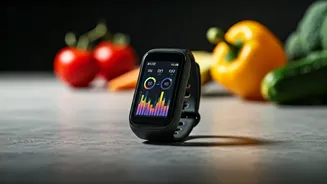
Complementing dietary efforts with regular exercise, particularly strength training, is instrumental in preserving muscle mass during weight loss while on GLP-1 medications. This proactive approach can significantly contribute to maintaining a healthy weight even after discontinuing treatment. Integrating a workout routine can be seamlessly managed by logging your activities directly within the application or by synchronizing data from popular fitness trackers and smartwatches. This allows for comprehensive monitoring of your exercise regimen and consistent progress tracking, reinforcing your commitment to physical fitness.
Fiber for Digestion
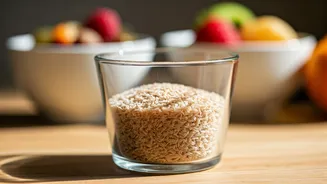
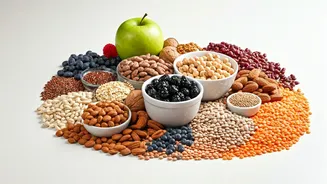
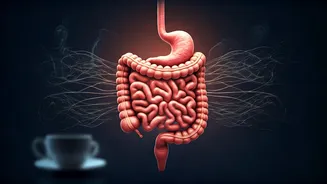
Incorporating fiber, especially soluble fiber, into your diet is beneficial for managing appetite by slowing stomach emptying and promoting a feeling of fullness. Fiber also plays a crucial role in maintaining regular bowel movements. Given that GLP-1 medications can sometimes cause gastrointestinal disturbances like constipation or diarrhea, increasing fiber intake can help mitigate these side effects and support overall digestive health. By tracking your food intake, you can identify and incorporate fiber-rich foods into your daily meals. For digestive issues, increasing soluble fiber from sources like flax seeds and oats is recommended. If constipation is the primary concern, adding insoluble fiber from whole fruits and vegetables with skins is also advised. Aiming for around 35-50 grams of fiber daily, and gradually increasing intake while staying hydrated, will support digestive comfort and wellness.
Hydration is Key
Nausea and vomiting, though often temporary, are potential side effects of GLP-1 medications that can lead to dehydration. Even without these symptoms, altered eating habits and reduced appetite can decrease fluid intake, increasing dehydration risk. Dehydration can exacerbate side effects like constipation and negatively impact energy levels, metabolism, and weight management efforts. Maintaining adequate hydration is therefore essential. Utilizing a hydration tracking feature allows for easy logging of fluid intake and setting daily goals. Opting for unsweetened beverages like water, seltzer, coconut water, or low-fat milk can help meet fluid needs. A general guideline is to consume 0.5 to 1 ounce of fluid per pound of body weight daily, adjusting for activity levels and climate.
Supportive App Features
Beyond core tracking, the application offers several features designed to enhance adherence to GLP-1-friendly lifestyle choices. Meal timestamps can help establish consistent eating patterns, ensuring you meet daily targets for calories, micronutrients, and protein. Logging reminders serve as gentle prompts to stay accountable to your goals. The app also provides access to in-app recipes specifically curated to be high in protein and suitable for those on GLP-1 medications, fostering dietary variety and balance. Furthermore, tracking weight and other body measurements offers a clear view of progress, serving as a significant motivator throughout your journey.