



Jaggery: Summer's Sweet Companion
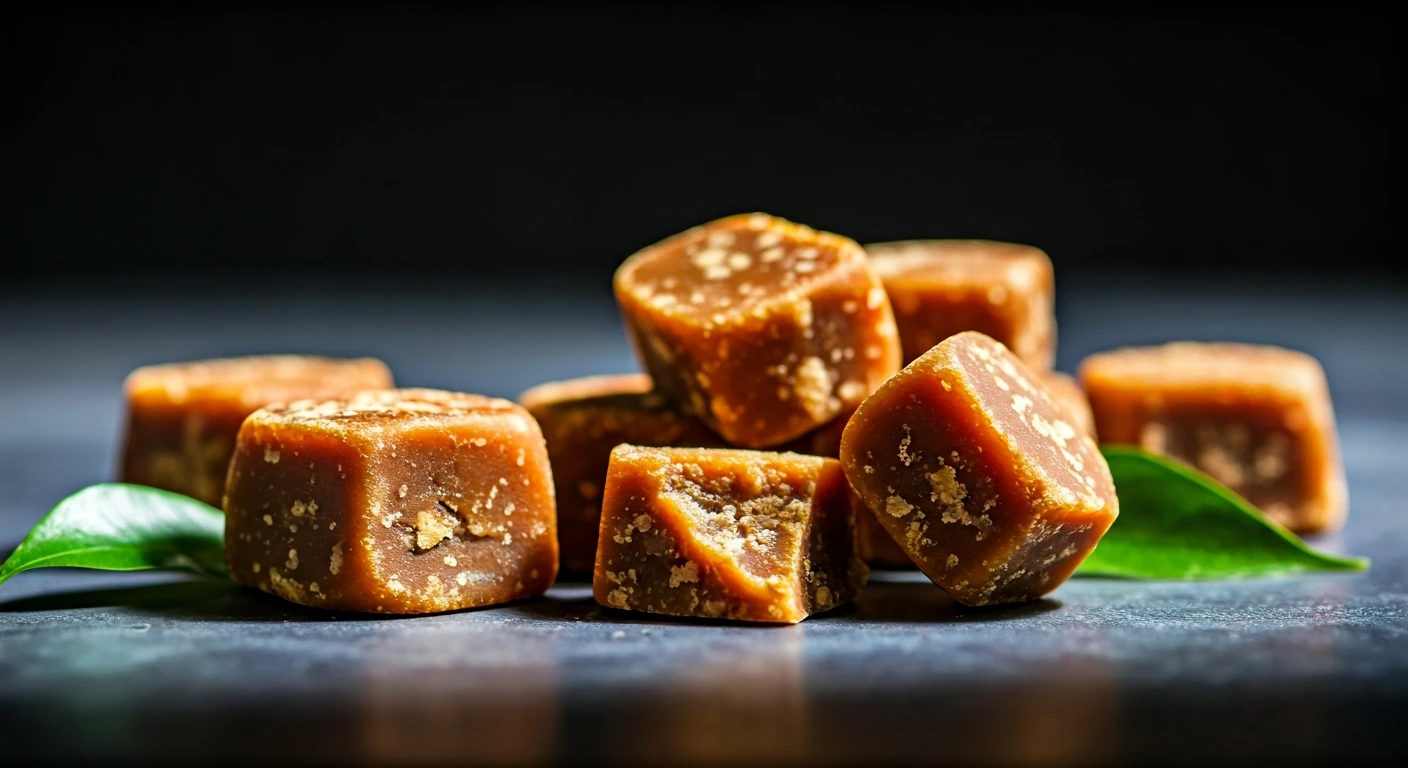
Jaggery, affectionately known as 'gur' in many Indian kitchens, is a staple natural sweetener derived from either sugarcane or palm sap. It plays a starring
role in traditional Indian sweets, beverages, and home remedies. As the summer season intensifies across India, a common query arises: does this unrefined sugar succumb to spoilage due to the prevailing heat and humidity? The answer is a resounding yes, it can be stored effectively, but the method employed significantly dictates its freshness and edibility throughout the warmer months.
Airtight Storage Secrets
The paramount strategy for preserving jaggery during the summer is to house it within an airtight container. Opt for vessels made from glass or stainless steel, as these materials create a formidable barrier against moisture and pesky insects. To further enhance longevity, place the sealed container in a cool, dry spot within your kitchen, steering clear of direct sunlight or proximity to heat-generating appliances like the stove. For those residing in areas with exceptionally high humidity, a smart alternative is to refrigerate the jaggery. Enhancing this method, consider wrapping the jaggery in paper or a clean cloth before enclosing it in its container, which helps mitigate excess moisture buildup and maintain its desirable texture.
Smart Preparation for Storage
A surprisingly effective technique involves breaking down large blocks of jaggery into smaller, more manageable pieces prior to storage. These larger chunks can inadvertently trap moisture within their dense structure, whereas smaller pieces tend to remain drier and are also more convenient for everyday culinary use. Crucially, always ensure your hands or any utensils used to handle jaggery are completely dry. Even a minimal amount of water can inadvertently encourage the development of mold, compromising the quality of your sweetener.
Shelf Life & Spoilage Signs
When subjected to appropriate storage conditions, jaggery boasts an impressive shelf life, often extending for many months. Under typical room temperature conditions, provided it's kept dry and securely sealed, it can remain good for approximately six months to a year. Refrigeration can further prolong its freshness. However, before incorporating it into your cooking or consumption, a vigilant inspection is necessary. Look out for any tell-tale signs of spoilage, such as an off-putting smell, visible mold growth, or a disconcertingly slimy texture. It's important to note that a slight hardening of the jaggery is a natural occurrence due to moisture loss and does not indicate that it has gone bad.
Jaggery in Summer Diet
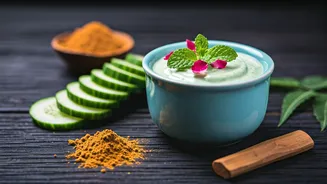
A frequent question concerns the safety of consuming jaggery during the summer months. In moderate quantities, it is indeed perfectly safe. Jaggery is an excellent source of quick energy and contains trace amounts of essential minerals, including iron. However, given its classification as a 'warming' food in traditional Ayurvedic practices, excessive consumption during intensely hot weather might lead to discomfort for certain individuals. Therefore, it's often advised to enjoy jaggery in smaller portions or to balance its consumption with 'cooling' accompaniments, such as buttermilk or fennel seeds, especially after meals.
Summer Jaggery Assurance
In essence, there's no need to relegate jaggery to the back of your pantry for the duration of the summer. By diligently implementing the recommended storage practices—ensuring it remains dry, sealed in an airtight container, and shielded from excessive heat—you can confidently preserve and enjoy this natural sweetener throughout the season, free from concerns about spoilage.