







The Brain's Sweet Trick
Sugar cravings often stem not from true hunger, but from our brain's learned association of sweets with pleasure and comfort. Celebrity nutritionist Pooja
Makhija highlights that the brain anticipates the 'reward' of sugar, creating a cycle driven by dopamine prediction rather than physical need. This anticipation can be stronger than the actual consumption. When you eat something sweet, your brain isn't just reacting to the sugar itself; it's responding to the expectation of that sweet sensation. This predictable loop involves a cue, a routine action like reaching for a treat, and finally, the reward. Understanding this dopamine-driven anticipation is key to recognizing why cravings can strike even when your body doesn't require nourishment. It’s the brain’s way of seeking a familiar source of pleasure or stress relief, a pattern that can become deeply ingrained over time, leading to urges at specific times or in response to certain emotions.
Brushing: The Cue Interrupter
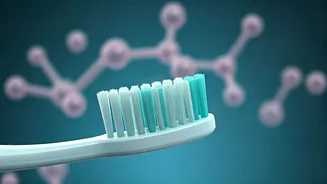
The simple act of brushing your teeth, especially with a mint-flavored toothpaste, serves as a powerful disruptor to this craving cycle. Nutritionist Makhija explains that the menthol in toothpaste activates specific cold-sensitive receptors in the mouth, known as TRPM8. This activation triggers a sensory interference that significantly alters your taste perception, making sweet foods far less appealing and diminishing the anticipated dopamine 'high.' By interrupting the anticipation phase, you effectively blunt the craving before it even fully develops. This sensory shift makes sugary items taste less desirable, thus reducing the brain's expected reward. It’s a clever way to break the connection between the craving cue and the subsequent consumption of sweets, effectively cutting off the reward loop at its earliest stage. This scientific mechanism leverages sensory input to directly counteract the brain's predictive reward pathways.
Expert Validation: The Science
Dr. Sakshi Hinduja, a dental surgeon from Aster CMI Hospital, Bangalore, corroborates this hack, affirming that brushing your teeth when a sugar craving hits is indeed effective. She elaborates that cravings are frequently triggered by the brain's expectation of a dopamine reward, rather than genuine physical hunger. The brain trains itself to link sugary foods with feelings of pleasure, comfort, or relief from stress, leading it to anticipate this reward during specific daily routines. This anticipatory release of feel-good signals, known as dopamine prediction, occurs even when the body has no nutritional need for energy. Brushing your teeth, particularly with a minty paste, intervenes by altering the oral sensory experience. The refreshing taste makes sweet foods less palatable and signals the end of eating periods, similar to the routine of brushing after a meal. This action creates a crucial pause between the impulse to eat and the subsequent behavior, allowing the craving to naturally dissipate.
Mind Over Matter: Psychological Edge
Beyond the physical alteration of taste, brushing your teeth also provides a significant psychological advantage in managing sugar cravings. Dr. Hinduja notes that the resulting clean-mouth sensation enhances a person's awareness and self-control, making them less inclined to immediately seek out sweets. Since most sugar cravings are transient and typically fade within minutes if not acted upon, this heightened state of awareness becomes a powerful tool. By creating a mental separation between the craving and potential indulgence, brushing empowers individuals to resist the urge. This simple practice acts as a signal to the brain that the eating period is over, reinforcing a sense of completion and discouraging further impulse consumption. The feeling of freshness serves as a reminder of self-discipline, making it easier to navigate the short-lived desire for sugar and maintain healthier eating habits.
Optimal Oral Hygiene
While brushing your teeth is an effective strategy for combating sugar cravings, maintaining proper oral hygiene practices is paramount. Dr. Hinduja emphasizes that brushing correctly is crucial not only for taste modification but also for preventing dental issues like cavities and gum disease. This involves removing food particles, plaque, and bacteria. She recommends brushing for at least two to three minutes to ensure all areas of the mouth are thoroughly cleaned, as many people tend to brush for shorter durations. The technique matters as much as the duration; using gentle circular motions and avoiding excessive force are key. Beyond brushing, incorporating daily flossing and using fluoride toothpaste are vital components of comprehensive oral care. Additionally, replacing your toothbrush every three months is recommended to ensure optimal cleaning effectiveness and prevent the buildup of bacteria on the brush itself.