
Importance of Exercise
Exercise, particularly during winter, plays a crucial role in maintaining good health and preventing injuries. Regular physical activity helps improve
bone density and reduces the risk of fractures. Staying active is vital in keeping the body strong and resilient. Exercise keeps the muscles around bones strong and provides support, further reducing the risk of injury. Moreover, it encourages overall fitness, aids in managing weight, and enhances mood. Regular exercise improves circulation and enhances the efficiency of the body's systems, making it a key component of a healthy winter lifestyle. Prioritizing exercise can ensure a proactive approach to well-being, fortifying your bones and overall health during the winter months.
Warm-up Before Action
Before diving into any workout, a thorough warm-up is essential to prep your body. Warm-ups ready the muscles and joints for more strenuous activity, diminishing the risk of injuries. Start by doing gentle movements like arm circles, leg swings, and torso twists. These movements increase blood flow and boost flexibility. Aim for at least 5-10 minutes of light exercises before increasing the intensity. This also involves dynamic stretches. Dynamic stretches such as high knees, butt kicks, and walking lunges, are extremely helpful. Warming up can enhance performance. It also helps to ensure the body is ready for exercise, which leads to a more fulfilling and safe workout session. This allows your body to function at its best and supports the overall benefits of your exercise routine.
Exercise: Walking Indoors
Walking indoors is an effective way to stay active during winter. It offers a low-impact workout perfect for all ages and fitness levels. Use a treadmill or walk around your home. Try to keep the same pace of walking outdoors, or challenge yourself by slightly increasing speed. Indoor walking helps burn calories, supports cardiovascular health, and is gentle on your joints. You can integrate other activities, such as listening to music or podcasts, to keep things engaging. Aim for at least 30 minutes of walking to gain the full benefits. Consistency is more important than speed or distance. Make it a habit for sustained health. Indoor walking remains a simple, accessible way to ensure you meet your daily exercise requirements during winter.
Strength Training Moves
Incorporate strength training exercises for strong bones, as they are crucial for building and maintaining bone density. Strength training strengthens your muscles and encourages bone growth. Start with bodyweight exercises such as squats, push-ups, and planks. These exercises engage multiple muscle groups and provide a full-body workout. Gradually increase the difficulty by incorporating resistance bands or light weights. Be sure to focus on your form. Proper technique is key to preventing injuries and maximizing the benefits of your workout. Aim for 2-3 sessions per week. Space out your workouts to allow your muscles time to recover. Strength training not only improves physical health but also helps to boost metabolism. These exercises offer comprehensive advantages for long-term health.
Balance Enhancements
Balance exercises are important, especially as we age, to prevent falls and fractures. Exercises such as standing on one leg and heel-to-toe walking enhance balance. Standing on one leg for brief durations improves stability and strengthens the muscles in your legs and core. Heel-to-toe walking, where you place the heel of one foot in front of the toes of the other, improves coordination and balance. You can also try Tai Chi or Yoga, known to improve balance and flexibility. Practicing balance exercises regularly can help prevent falls. Incorporating these exercises into your winter routine makes for a safer and more active lifestyle. Consistent practice is key to enhancing your body's ability to maintain equilibrium.
Cardiovascular Workouts
Cardiovascular exercises are essential for heart health and keeping the body active. Choose exercises you enjoy, such as stationary cycling, elliptical training, or dancing. Stationary cycling is a low-impact workout that's easy on the joints. Elliptical training provides a full-body workout, working both your upper and lower body. Dancing is a fun way to burn calories and get your heart rate up. Aim for at least 150 minutes of moderate-intensity or 75 minutes of vigorous-intensity cardio per week. Varying your cardio exercises can keep your workouts engaging and prevent boredom. Regular cardio workouts provide many advantages, including improved cardiovascular health, increased stamina, and mood enhancement. It makes for a complete workout routine.
Flexibility and Stretching
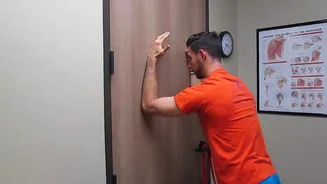
Incorporate stretching and flexibility exercises for a healthy body. This will help maintain joint mobility and muscle elasticity. Perform static stretches like touching your toes, reaching for your arms overhead, or doing quad stretches. Hold each stretch for 15-30 seconds. Include yoga or Pilates in your routine. Yoga and Pilates improve both flexibility and strength. They also help improve posture and reduce stress. Regular stretching can also alleviate muscle stiffness, and improve overall movement. Doing these stretches regularly can reduce muscle soreness and decrease the risk of injury. These exercises are crucial for maintaining a healthy range of motion and overall well-being. It is the perfect complement to strength and cardio exercises.
Importance of Hydration
Staying well-hydrated is essential during winter exercise. Drink water before, during, and after your workout. Dehydration can impair performance and increase the risk of injury. Carry a water bottle with you and take regular sips, particularly when exercising indoors where the air can be dry. In addition to water, you can opt for sports drinks with electrolytes to replenish lost minerals. These help keep your body hydrated. Dehydration can lead to fatigue, muscle cramps, and other problems. Drinking enough water supports your body's systems. Proper hydration ensures that your body functions at its best. Maintaining good hydration levels improves workout quality. It also improves recovery.
Proper Clothing Choices
Wearing appropriate clothing is important during winter workouts, even indoors. Layer your clothing to regulate your body temperature. Start with moisture-wicking base layers. These layers help to draw sweat away from your skin. Add insulating mid-layers to retain heat. Finish with an outer layer that protects you from the cold and wind. Ensure that your clothes fit well and provide a full range of motion. Choose breathable fabrics to prevent overheating. Wearing proper attire ensures comfort and safety. Consider your comfort level during your workout. Select clothing that suits your activity, ensuring a safe and satisfying experience. These precautions ensure a more enjoyable and efficient workout, maintaining your well-being.