






Car Rental: Freedom with Caveats
While renting a car offers the ultimate freedom to roam Ireland's stunning landscapes, it comes with significant considerations. The cost of fuel, tolls,
and parking can quickly escalate, making it a pricey option, especially for shorter trips. Navigating narrow, winding country lanes, particularly during darker evenings or winter with potential black ice, demands a confident driver. Moreover, finding parking in bustling towns and cities can be a challenge, often necessitating leaving your vehicle on the outskirts and proceeding on foot. For those who do opt for a rental, planning your itinerary meticulously is key. Consider flying into one airport and out of another for a more efficient cross-country journey, perhaps focusing on either the northern or southern regions to maximize your time. Always ensure your insurance covers driving in both the Republic of Ireland and Northern Ireland if your route includes the UK.
Leap Card: Your Transit Key
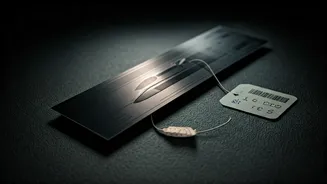
To make navigating Ireland via public transport seamless and cost-effective, acquiring a Leap Card is your first essential step. This rechargeable smart card significantly reduces fares across a wide array of public transit options, including buses, trams, and trains, not just within Dublin but throughout much of the country. It eliminates the need to handle cash for each journey, offering a more secure and convenient experience. You can purchase a Leap Card at various locations, including train stations and select shops, making it easily accessible for visitors aiming to explore Ireland car-free and economically.
Train Travel: Scenic Inter-City
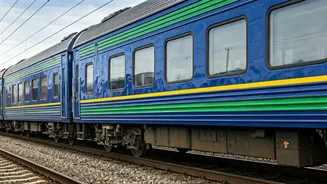
For inter-city travel, the train network in Ireland presents a compelling and increasingly popular alternative to renting a car, largely due to soaring rental expenses. Irish Rail provides reliable and comfortable connections between major urban centers at competitive prices. Special discounts are available for travelers under 24, and for everyone using a Leap Card, fares can be reduced by up to 30%. Furthermore, the Leap Card introduces a price cap for multiple-leg journeys, ensuring excellent value. Services like the DART (Dublin Area Rapid Transit) enhance local connectivity around the capital, linking it to coastal suburbs, while other lines connect to various cities and towns across the island, making train travel a central part of a well-connected journey.
Bus Network: Ubiquitous Coverage
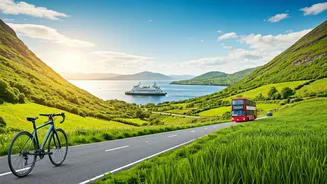
While trains excel at linking major cities, Ireland's extensive bus network offers unparalleled reach, connecting you to virtually every corner of the country. Buses serve as an excellent complement to train travel, allowing you to reach transport hubs by rail and then switch to bus services for more localized or rural destinations. Your Leap Card is valid on Bus Éireann, the primary national bus operator, and several private services. This flexibility means you can alight at points of interest along your route and easily catch a subsequent bus without purchasing a new ticket. Many bus routes traverse breathtaking rural landscapes, offering a journey as memorable as the destination itself. For instance, routes in County Clare offer stunning views of the Atlantic coast and the Burren, while others in County Cork wind through picturesque seaside towns. Seasonal hop-on, hop-off bus tours are also available in cities like Dublin and Galway, providing a convenient way to explore urban attractions.
Urban Mobility: Luas & Taxis
Within Dublin, the Luas tram system provides an efficient and modern way to navigate the city and its periphery. This light-rail network, with its Green and Red lines intersecting in the city center, offers a swift and economical means of travel. Similar to other public transport, the Leap Card offers discounted fares on the Luas, making it an attractive option for covering distances across the capital. For more immediate or personalized journeys, taxis and rideshare services are readily available in urban centers. These can be found at designated stands in transport hubs or hailed in the streets. For larger groups or families, private bus services and tour operators can often provide tailored and cost-effective transportation solutions.
Island Hopping & Waterways
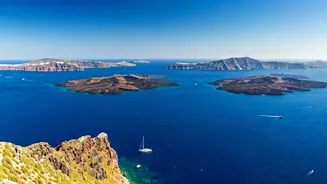
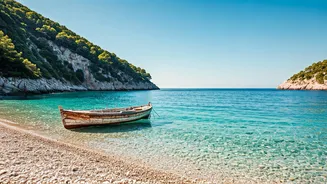
Ireland's charm extends to its numerous offshore islands, many of which are accessible via ferry services. While many ferry routes operate primarily during the high season and scale back significantly or cease entirely from November, a year-round ferry and air link connects the Aran Islands to Connemara. For a unique perspective, visitors can consider renting a boat on the River Shannon, a 362km waterway dotted with picturesque villages and rich landscapes, offering a leisurely way to explore the country at your own pace. Additionally, a car ferry service allows direct travel between County Kerry and County Clare across the River Shannon, presenting another scenic transit option.
Active Exploration: Cycling & Hiking
For those who prefer to immerse themselves in the scenery and engage in physical activity, Ireland offers a burgeoning network of off-road cycling and hiking routes. Disused railway lines in counties like Mayo and Limerick have been transformed into spectacular trails, providing unique backdrops for exploration. The Beara Peninsula in County Cork is a renowned trailhead for numerous adventure routes. These pathways allow visitors to escape the main roads and discover the country's natural beauty more intimately. The growth of these networks ensures ever-expanding opportunities for active travelers to experience Ireland's diverse terrains.
Accessible Travel Options
In recent years, Ireland has made significant strides in improving accessibility for travelers with mobility issues. Transport operators, including Dublin Bus, Irish Rail, Bus Éireann, and the Luas, provide detailed information regarding wheelchair access and specialized services on their respective websites. For families traveling with young children, there are also provisions: children under 5 accompanied by a Leap Card holder can travel for free on services like Bus Éireann, Luas, and Irish Rail. Designated spaces are typically available for prams and strollers, though priority is given to wheelchairs when space is limited.