



Native Drought-Tolerant Plants
Embracing plants indigenous to your region is a brilliant strategy for a low-maintenance garden that also benefits the local environment. These varieties,
requiring minimal watering once established, are perfectly adapted to your climate. Experts recommend bunch grasses, which grow in clumps and provide substantial visual interest year-round, making a significant impact even in confined areas. By selecting plants native to your locale, you not only reduce water consumption but also support local pollinators and wildlife, creating a sustainable and thriving ecosystem right at your doorstep. This approach minimizes the need for extensive care while maximizing ecological benefit.
Charming Dwarf Fruit Trees
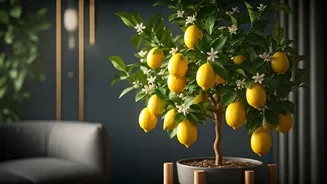
Don't let limited space deter you from growing edibles. Dwarf fruit trees offer a fantastic solution for small front yards, introducing vertical elements and seasonal blooms while providing delicious harvests. These compact varieties, such as miniature citrus (lemons, oranges), plums, cherries, and figs, are ideal for tight spots. Crucially, choose species that are well-suited to your specific climate and USDA Hardiness Zone. Opting for waterwise or native perennials, shrubs, and trees ensures they thrive with less intervention, reducing your gardening workload and enhancing the aesthetic appeal of your yard with both flowers and fruit.
Versatile Ornamental Grasses
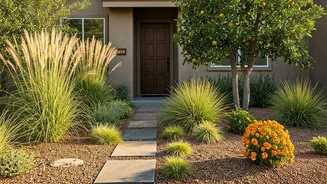
Grasses are an incredibly adaptable landscaping choice, suitable for almost any front yard scenario, regardless of sun exposure, local wildlife like deer, or budget constraints. Many varieties are naturally resistant to deer, simplifying upkeep. For instance, Calamagrostis Karl Foerster and its variegated form, 'Overdam', offer a striking upright habit and maintain their attractive color through the winter months. They can be planted en masse for a dramatic effect. Complementing these taller grasses, consider low-growing perennials like Nepeta 'Junior Walker' or Geranium 'Biokovo'. These groundcovers can effectively suppress weeds and spread gently, adding texture and color with minimal effort.
Vibrant Wildflower Meadows
Achieve a stunning burst of color and texture without the fuss of traditional, high-maintenance flower beds by opting for a wildflower meadow. This naturalistic approach provides a beautiful alternative to manicured lawns, significantly reducing the need for mowing and constant care. Wildflower meadows are also exceptionally beneficial for local wildlife, offering habitats and food sources for pollinators. As with other low-maintenance strategies, prioritizing native species is key. Choosing flowers that naturally spread and thrive in your area will create a visually captivating display that requires minimal intervention, contributing positively to the local ecosystem.
Water-Wise Xeriscaping
Xeriscaping, a landscaping style focused on water conservation, offers an exceptionally low-maintenance and sustainable solution for front yards, particularly in arid or dry climates. This method utilizes plants that have minimal water requirements to survive and thrive. Popular choices include rock gardens adorned with succulents and other drought-tolerant species that are native to the region. By selecting plants acclimated to your local weather patterns, you dramatically reduce the need for watering, weeding, and fertilizing. Even in regions that aren't consistently hot, xeriscaping can be a practical and attractive choice for creating a resilient and easy-to-manage landscape.