



The Norovirus Menace
The Norovirus, a notoriously contagious gastrointestinal illness, has for years been a persistent concern for the cruise industry, earning ships the moniker
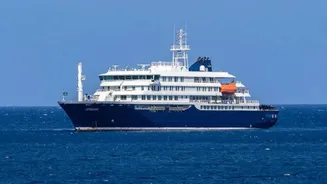
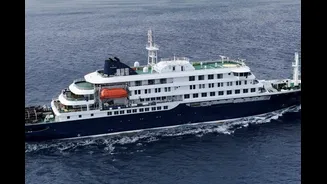
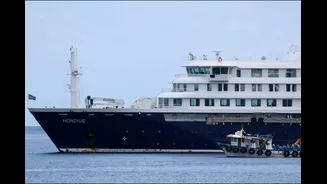
'petri dishes.' This stomach bug thrives in the close quarters and shared facilities typical of maritime travel, such as communal dining areas and frequently touched surfaces. While cruise ship outbreaks represent a small fraction of global Norovirus cases, they attract significant scrutiny from public health authorities due to their concentrated nature. The Caribbean Princess, for instance, experienced two notable Norovirus outbreaks, one in early 2020 affecting over 400 individuals across two voyages, and another more recent incident involving more than 100 passengers and crew on a 13-night journey. These events serve as a stark reminder that even familiar pathogens pose a substantial risk to onboard hygiene. The MV Hondius outbreak further underscored how enclosed travel settings can magnify the impact of less common infections when detection and response are delayed, emphasizing the vulnerability of such environments.
Diamond Princess Quarantine Chaos
The Diamond Princess incident in February 2020 became a defining image of the early stages of the global pandemic. After a single passenger tested positive for COVID-19, the vessel was placed under quarantine off the coast of Yokohama, Japan. However, the strategy of keeping everyone aboard proved counterproductive. The virus disseminated rapidly through the ship's ventilation system and corridors, ultimately infecting a staggering 712 of the 3,711 individuals on board. With 14 fatalities and an infection rate of approximately 20%, this event vividly demonstrated to the world the alarming speed at which a virus could spread within a contained environment, setting a grim precedent for future onboard health crises.
Ruby Princess and Nile River Fears
While the Diamond Princess served as a cautionary tale about ineffective quarantine measures, the Ruby Princess in Australia highlighted issues related to poor timing and decision-making. In March 2020, over 2,600 passengers were disembarked in Sydney before their test results for COVID-19 were even finalized. This decision was later linked to over 900 confirmed cases and 28 deaths, effectively seeding the virus within the Australian community. The threat of onboard outbreaks is not confined to large ocean liners; even smaller, more intimate settings like the MS River Anuket on the Nile River were not immune. A cluster of 45 cases on this vessel proved that river cruises also present significant risks. Analysis of historical data reveals a concerning pattern, with 127 documented Norovirus outbreaks on cruise ships, frequently attributed to contaminated surfaces, foodborne transmission, and rapid person-to-person spread. Ships like the Celebrity Mercury and Explorer of the Seas have become notable examples of this vulnerability, not due to their uniqueness, but because they offer an ideal environment for viral proliferation through close proximity and shared amenities. Buffet-style dining, where guests handle communal utensils and touch common surfaces, remains a particularly high-risk area for the swift transmission of gastrointestinal illnesses.