







The Festive Paradox
Celebrations, essential for our emotional well-being and social connections, frequently revolve around food, often in excessive amounts. This can inadvertently
lead to overconsumption, resulting in weight gain and metabolic imbalances. According to Dr. Leena Saju, a Clinical Nutrition expert, portion control during these events isn't about self-deprivation but making conscious choices that safeguard health while preserving the festive spirit. A single celebratory meal can easily surpass 1,800 to over 2,500 calories, significantly exceeding a typical adult's daily requirement. The allure of elaborate buffets, multiple courses, and the desire to sample everything often fuels this tendency towards overindulgence. This behaviour, termed 'hedonic eating,' is driven by pleasure rather than genuine hunger, a phenomenon amplified by social settings where dining with familiar company, as noted in studies from the American Journal of Clinical Nutrition (2019), encourages greater food intake. The perfect storm of rich dishes, alcoholic beverages, desserts, and the temptation of repeat servings creates an environment ripe for excess calorie consumption. When these celebratory occasions are frequent, such unchecked eating patterns can contribute substantially to escalating weight, elevated blood sugar levels, and a heightened risk of cardiovascular issues, as cautioned by Dr. Saju. Fortunately, mindful eating serves as an effective countermeasure, aiding in the regulation of eating-related emotions, behaviours, and bodily cues.
Mindful Eating Tactics
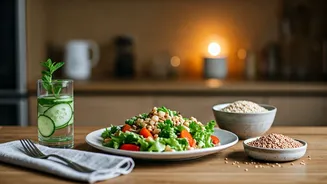
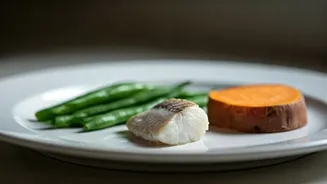
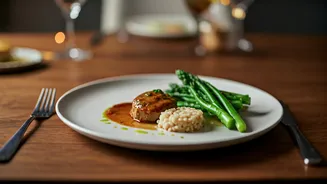
Effectively managing your food intake during celebrations doesn't necessitate drastic dietary restrictions or avoiding social gatherings. Instead, implementing straightforward, research-backed mindful eating techniques can be highly beneficial. Dr. Leena Saju highlights that visual cues, such as the size, depth, and shape of your plate, play a significant role in determining how much you consume. Opting for a smaller plate can naturally curb portion sizes without inducing feelings of deprivation. Furthermore, eating at a more leisurely pace is crucial, as the brain requires approximately 20 minutes to register a sense of fullness. By pausing between bites and during servings, you allow these satiety signals to become apparent, thereby reducing the likelihood of overeating. Dr. Saju also advises pre-planning your plate composition. Prioritizing nutrient-dense foods is key; aim to fill half your plate with vegetables and salads, dedicate a quarter to protein sources, and limit high-calorie items to the remaining quarter. It’s also advisable to avoid arriving at a celebration famished, as this often triggers overeating. A light, pre-event snack rich in protein and fibre can effectively manage appetite and lower overall calorie intake. Be mindful of beverages, too, as liquid calories can accumulate rapidly. Alternating alcoholic or sugary drinks with water and setting limits for consumption can make a considerable difference in reducing excess calorie intake.
Long-Term Benefits
The cumulative effect of frequent overindulgence during celebrations can lead to a gradual and often unwanted increase in body weight. Research, including studies by O’Reilly et al. (2014) and Carrière et al. (2017), indicates that individuals who actively practice mindful eating techniques tend to face a reduced risk of conditions linked to obesity. Moreover, they demonstrate greater success in maintaining a healthy weight over the long term. This approach empowers individuals to enjoy celebratory meals and social events fully while remaining aligned with their personal health objectives. As Dr. Leena Saju aptly concludes, portion control is not about imposing limitations; rather, it is about fostering empowerment. It enables you to partake in the joy and camaraderie of festivities without compromising your health goals. The principle is akin to enjoying a treat, like cake, without necessarily consuming the entire confection, thus finding a balanced approach to indulgence and well-being.