








Understanding Heart Failure
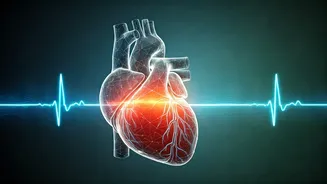
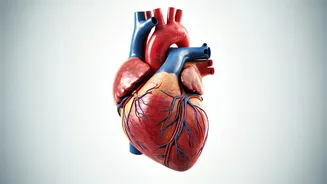
Heart failure, a condition where the heart struggles to pump blood effectively, can stem from various causes. It's not a singular disease but rather a complex
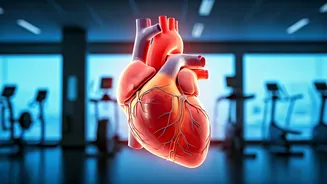
syndrome often resulting from underlying issues such as coronary artery disease, high blood pressure, or valve problems. Understanding the genesis of heart failure is the initial stride toward prevention. Regular physical exercise plays a pivotal role in this preventive approach, as it strengthens the heart muscle and enhances its efficiency. Exercise doesn't merely burn calories; it improves the heart's pumping function and boosts overall cardiovascular well-being. By engaging in consistent physical activity, individuals can lessen the likelihood of heart failure and cultivate a healthier lifestyle.
Cardio's Protective Benefits
Cardiovascular exercises, encompassing activities that raise your heart rate and breathing, constitute a cornerstone in heart failure prevention. Activities like brisk walking, jogging, swimming, and cycling are exceptionally beneficial. These exercises improve blood circulation, reduce blood pressure, and enhance the heart's pumping capacity. For instance, a brisk walk for about 30 minutes most days of the week can significantly decrease your risk. Similarly, swimming offers a low-impact option that's kind on the joints while still providing substantial cardiovascular benefits. Cycling is another excellent way to improve heart health while enjoying the outdoors. Regular cardio not only strengthens the heart but also aids in managing weight, a critical factor in mitigating heart failure risk.
Strength Training's Role
Beyond cardio, strength training contributes significantly to heart health. Lifting weights or using resistance bands builds muscle mass, improving overall metabolism and boosting insulin sensitivity. This can indirectly reduce the risk of diabetes, a major contributor to heart disease. Strength training also helps to lower bad cholesterol levels and raise good cholesterol levels. Incorporating strength training at least twice a week can make a noticeable difference. It doesn't necessitate heavy lifting; even bodyweight exercises like squats, push-ups, and planks can be effective. Always ensure to warm up before starting and cool down afterward to prevent injuries and optimize benefits. Consistency in strength training helps to build a stronger cardiovascular system.
Flexibility and Balance
While cardio and strength training are crucial, flexibility and balance exercises also play a significant role in a comprehensive heart-healthy routine. Activities such as yoga and stretching improve blood flow and reduce stress. Yoga, in particular, combines physical postures with deep breathing, offering both physical and mental benefits that support cardiovascular health. Furthermore, improved balance decreases the risk of falls, a significant concern, especially among older adults, that can lead to inactivity and a decline in overall health. Regular stretching enhances joint mobility and reduces muscle stiffness, allowing for more effective and comfortable performance of other exercises. Integrating these types of exercises leads to a balanced, holistic approach to heart health.
Exercise Frequency, Intensity
For optimal heart health, aiming for at least 150 minutes of moderate-intensity or 75 minutes of vigorous-intensity aerobic exercise weekly is recommended. Moderate-intensity exercise makes you breathe harder, but you can still hold a conversation. Vigorous-intensity exercise means you struggle to speak more than a few words without pausing for breath. Spreading exercise throughout the week is ideal; you don't need to do it all at once. Mix different types of exercise to keep things interesting and provide various benefits. Always consult your doctor before starting any new exercise program, particularly if you have existing health conditions. Starting slowly and gradually increasing intensity and duration is crucial to prevent injury and promote long-term adherence to an exercise routine.
Listen to Your Body
Pay close attention to your body during exercise. If you experience chest pain, shortness of breath, dizziness, or any other unusual symptoms, stop immediately and seek medical advice. Proper hydration is vital, especially during exercise. Drink water before, during, and after your workouts. Ensure you get adequate rest and sleep to allow your body to recover. Don't push yourself too hard, especially when starting a new exercise program. Consistency is key, and it's better to engage in moderate exercise regularly than to push yourself too hard and risk injury or burnout. Learning to distinguish between normal fatigue and warning signs is crucial. Always prioritize safety and well-being when exercising.