







What is Béchamel?
Béchamel sauce, a classic of French cuisine, is a simple yet fundamental sauce. It's often referred to as 'white sauce' and serves as the base for many
other sauces and dishes. At its core, béchamel is a combination of butter, flour, and milk, cooked to a creamy consistency. The versatility of béchamel allows it to be used in various recipes, from simple gratins to complex casseroles. This is a foundational sauce, providing a creamy texture and subtle flavor, which can then be adapted with additional ingredients to complement different dishes. The allure of béchamel lies in its creamy mouthfeel and adaptable nature, making it a favorite amongst both professional chefs and home cooks. Its role as a mother sauce underscores its significance in the culinary world, with many derived sauces using it as a starting point, like Mornay or cheese sauce, which is essentially béchamel with cheese.
Essential Ingredients Needed
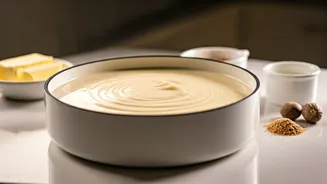
The beauty of béchamel lies in its simplicity; the key ingredients are few but essential. High-quality butter provides richness and flavor; unsalted butter is generally preferred because it allows better control over the saltiness. All-purpose flour is used to create the roux, which thickens the sauce. Whole milk is ideal, as its higher fat content contributes to a creamier texture. Seasonings are added for flavor enhancement, typically including salt and white pepper. Some recipes might also suggest adding a bay leaf or a pinch of nutmeg to enhance the flavor. Be sure to use fresh, good-quality ingredients to achieve the best results. The quality of each element significantly impacts the final taste and texture of your béchamel. Remember, the fresher your ingredients, the tastier the outcome.
How To Make It
Making béchamel sauce is straightforward, but attention to detail ensures the perfect result. Start by melting the butter in a saucepan over medium heat. Once melted, whisk in the flour to create a roux, cooking it for a couple of minutes until it forms a smooth paste. Slowly pour in the milk, whisking continuously to prevent lumps from forming. Reduce the heat and simmer gently, stirring frequently, until the sauce thickens and coats the back of a spoon. Season with salt and white pepper to taste. The key is constant whisking to avoid lumps and burning. For extra flavor, you can add a bay leaf while simmering, removing it before serving. The finished sauce should be creamy and smooth, ready to be used in your favorite recipes. Patience and consistent whisking are your best friends in this process.
Tips for Perfection
Several tips can help you achieve perfect béchamel every time. Use a whisk to break up any lumps that form during the whisking process. Avoid overheating the milk; a gentle simmer is best. If lumps still appear, you can strain the sauce through a fine-mesh sieve. Cook the roux thoroughly before adding the milk; this step ensures a smoother sauce and removes the raw flour taste. Adjust the thickness to your preference by adding more or less milk. For a richer flavor, you can use a combination of milk and cream. Season generously, remembering that the sauce’s flavor will be the foundation of your dish. Practice makes perfect; don’t be discouraged if your first attempt isn't flawless. With each try, you'll gain confidence and skill.
Uses of Béchamel
Béchamel is incredibly versatile, serving as the foundation for numerous dishes. It's the star ingredient in classic dishes like lasagna, where it layers with pasta and meat sauce. It is also excellent in gratins, casseroles, and vegetable bakes, adding a creamy texture and mild flavor. Béchamel can be transformed into other sauces, such as Mornay sauce, by adding grated cheese. It's often used in the preparation of croque monsieur and croque madame, enriching the sandwiches. Beyond these uses, béchamel is a perfect accompaniment for vegetables, eggs, or seafood. Its adaptability makes it a valuable asset in any kitchen, enhancing a wide array of flavors and textures. The possibilities are truly endless with this mother sauce.
Storage and FAQs
Proper storage ensures your béchamel stays fresh. Cool the sauce completely before storing it in an airtight container in the refrigerator. Béchamel typically lasts for about 3-4 days in the fridge. To reheat, gently warm it over low heat, whisking constantly. If the sauce thickens too much during reheating, add a splash of milk to adjust the consistency. Some commonly asked questions about béchamel include whether you can freeze it (yes, but the texture might change slightly) and how to fix a lumpy sauce (straining is the best solution). Remember, the key is proper cooling and storage to maintain both the safety and quality of the sauce. Reheating requires patience and gentleness to maintain the desired creaminess. When stored correctly, béchamel offers convenience and versatility for multiple meals.