



The Art of Leeks
Caramelizing leeks is a culinary technique that transforms their mild onion-like flavor into something deeply sweet and complex. This process involves
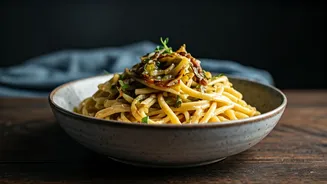
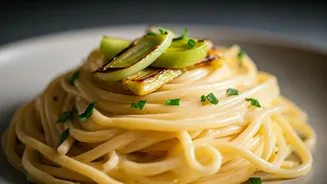
slow cooking, allowing the natural sugars in the leeks to break down and concentrate, creating a rich, almost jam-like consistency. The outer layers of the leek, often discarded, hold a significant amount of flavor and can be utilized after thorough cleaning. When preparing leeks for caramelization, it's crucial to wash them meticulously to remove any grit or soil trapped between the layers. Slicing them thinly and evenly ensures uniform cooking. The key to perfect caramelization is patience; a low heat over an extended period prevents burning while coaxing out the inherent sweetness. This slow transformation is what gives the pasta dish its signature depth and a sophisticated flavor profile that can't be replicated with quick-cooking methods. The resulting leeks are tender, melt-in-your-mouth, and impart a beautiful golden hue to the sauce, making them a star ingredient rather than a mere accompaniment.
Crafting the Creamy Sauce
The foundation of this delightful pasta lies in its lusciously creamy sauce, designed to perfectly complement the sweet, caramelized leeks. While traditional cream sauces might rely heavily on heavy cream, this recipe often incorporates lighter elements without sacrificing richness. A base of sautéed aromatics, such as garlic and perhaps a hint of shallot, provides a fragrant starting point. Deglazing the pan with a splash of white wine or even vegetable broth can add another layer of flavor and help lift any browned bits from the bottom of the pan, integrating them into the sauce. The creaminess is then achieved through a combination of dairy, which could include heavy cream, half-and-half, or even a clever blend incorporating a touch of milk and a thickening agent like a roux or a cornstarch slurry. Some recipes might also benefit from a dollop of crème fraîche or mascarpone for an extra silken texture and a subtle tang. The sauce is typically simmered gently to allow the flavors to meld and to reach the desired consistency – thick enough to coat the pasta beautifully but not so heavy that it overwhelms the delicate leek flavor. Seasoning is paramount, with salt, freshly ground black pepper, and perhaps a pinch of nutmeg or a squeeze of lemon juice to brighten the palate, ensuring a balanced and exquisite final dish.
Pasta Perfection & Assembly
The choice of pasta plays a role in the overall success of this dish, with shapes that can hold onto the creamy sauce and caramelized leeks being ideal. Think of tagliatelle, fettuccine, or even a robust penne or rigatoni. The pasta should be cooked al dente, meaning it retains a slight bite, as it will continue to cook slightly when combined with the sauce. After draining the pasta, reserving some of the starchy pasta water is a crucial step often overlooked by home cooks. This water acts as a magical emulsifier, helping to bind the sauce to the pasta and achieve a glossy, cohesive finish. The cooked pasta is then introduced to the pan with the creamy leek sauce, gently tossed to ensure every strand or piece is coated. The reserved pasta water is added incrementally as needed to thin the sauce to the perfect consistency, creating a harmonious blend of textures and flavors. Finally, a garnish of freshly chopped parsley adds a burst of color and freshness, while a sprinkle of grated Parmesan cheese enhances the savory notes. Some might also enjoy a scattering of toasted breadcrumbs for a contrasting crunch, making each bite an experience of creamy, savory, and subtly sweet perfection.