








Smoother Digestion Unfolds
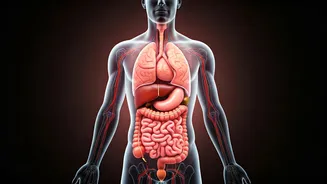
When late-night snacking ceases, your digestive system gets a much-needed respite. Consuming food too close to bedtime forces your gut to remain active
during its intended rest period, leading to inefficient digestion and potential discomfort. A controlled trial highlighted that late meals can slow gastric emptying and increase stomach acidity, creating a less optimal environment for overnight repair. Over a span of 90 days without these late-night indulgences, your gastrointestinal tract gradually adapts to a more regular and predictable rhythm. This consistent break allows for reduced bloating, fewer instances of indigestion, and a generally more comfortable digestive experience throughout the day.
Enhanced Sleep Quality
The habit of late-night eating can significantly interfere with your ability to fall asleep and stay asleep. When you consume food close to bedtime, your body remains in a metabolically active state, which can elevate your heart rate and body temperature, making it harder for you to drift off. Research published in indicates that abstaining from food for at least two to three hours before you plan to sleep can lead to improved sleep efficiency and a notable decrease in nighttime awakenings. Committing to this practice for three months helps to reinforce your body's natural circadian rhythms, fostering more consistent and restorative sleep patterns. Consequently, you're likely to wake up feeling more refreshed and energized.
Hunger Hormones Rebalance
Late-night eating patterns can throw off the delicate balance of key hunger-regulating hormones, specifically ghrelin and leptin. Ghrelin is known for stimulating appetite, while leptin signals satiety. A study conducted revealed that consuming meals late in the evening can actually increase feelings of hunger the following day and simultaneously lower leptin levels, making it more challenging for your body to register fullness. By eliminating late-night snacking for a period of 90 days, these crucial hormonal signals begin to realign with their natural patterns. This hormonal recalibration can lead to a significant reduction in non-essential cravings, helping you feel more in control of your appetite.
Metabolism and Weight Benefits
Consistently engaging in late-night snacking is often associated with consuming excess calories and can negatively impact metabolic health. Removing these late-night calories from your diet for three months can yield positive outcomes for your blood sugar regulation and your body's ability to efficiently utilize stored energy. For many individuals, this lifestyle change can contribute to gradual fat loss, not necessarily due to restrictive dieting, but simply because the body becomes more adept at processing food during its natural daytime cycles. This improved metabolic efficiency allows your body to function optimally.
Gut Microbiome Repair
The timing of your meals plays a critical role in the health and function of your gut microbiome. Night-time eating can disrupt the natural restorative processes that occur within the digestive tract overnight. Providing your gut with a consistent period of rest each night encourages the proliferation of beneficial bacteria, which are essential for a healthy digestive system. This flourishing of good bacteria aids in better digestion, helps to reduce internal inflammation, and bolsters your immune system's capabilities. Over the course of 90 days, these positive changes within your gut can manifest as more regular bowel movements, enhanced nutrient absorption, and a decreased incidence of digestive disturbances.
Reduced Acid Reflux
One of the most immediate and appreciated benefits of discontinuing late-night eating is the significant reduction in acid reflux and heartburn. When you eat and then lie down shortly afterward, it increases the pressure on the lower esophageal sphincter, the valve that prevents stomach acid from backing up into the esophagus. This can lead to uncomfortable burning sensations. By refraining from food intake before bed for 90 days, this critical valve gets ample time to rest and recalibrate, greatly diminishing the frequency and intensity of acid reflux symptoms.