



Rethink Laundry Frequency
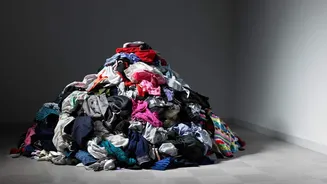
Many garments, contrary to popular belief, do not require washing after every single wear. Over-washing is a primary culprit in diminishing fabric quality,
leading to loss of shape and colour vibrancy. Items such as denim, outerwear, and even certain tops can be worn multiple times between washes. A simple act of airing out clothes by hanging them near a window or in a well-ventilated area can often suffice to freshen them up, significantly reducing the wear and tear associated with frequent laundering. By minimizing washes, you inherently preserve the integrity and longevity of your clothing collection.
Gentle Washing Practices
Washing machines, while convenient, can be quite abrasive to textiles. Implementing a few minor adjustments can lead to substantial benefits for your clothing. Opting for cold water over hot is crucial, as it's less harsh on fibres and helps to prevent colour fading. Turning garments inside out, particularly those with prints or dark hues, offers an additional layer of protection. When possible, selecting a gentle wash cycle further minimizes stress on the fabric. Furthermore, avoid overcrowding the washing machine; clothes need adequate space to move freely to prevent excessive friction and premature wear.
Mindful Detergent Use
The notion that more detergent equates to cleaner clothes is a misconception. In reality, excessive use of detergent can leave behind stubborn residues that stiffen fabrics and dull their appearance over time. Adhering to the recommended dosage on the product packaging, or even using slightly less, is advisable. For enhanced garment care and environmental consideration, consider using milder detergent formulations. These are generally kinder to your clothes and contribute less to water pollution.
Embrace Air-Drying
While tumble dryers offer speed, they can be detrimental to fabric longevity. The high heat generated by dryers can lead to shrinkage, weaken fibres, and accelerate colour fading. Air-drying presents a far gentler and more sustainable alternative. Utilizing a clothesline or a drying rack allows garments to dry naturally, albeit taking a bit longer. For bulkier items like sweaters, it’s best to lay them flat to dry to prevent them from stretching out of shape due to their weight.
Strategic Garment Storage
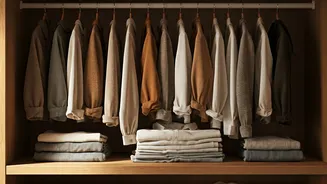
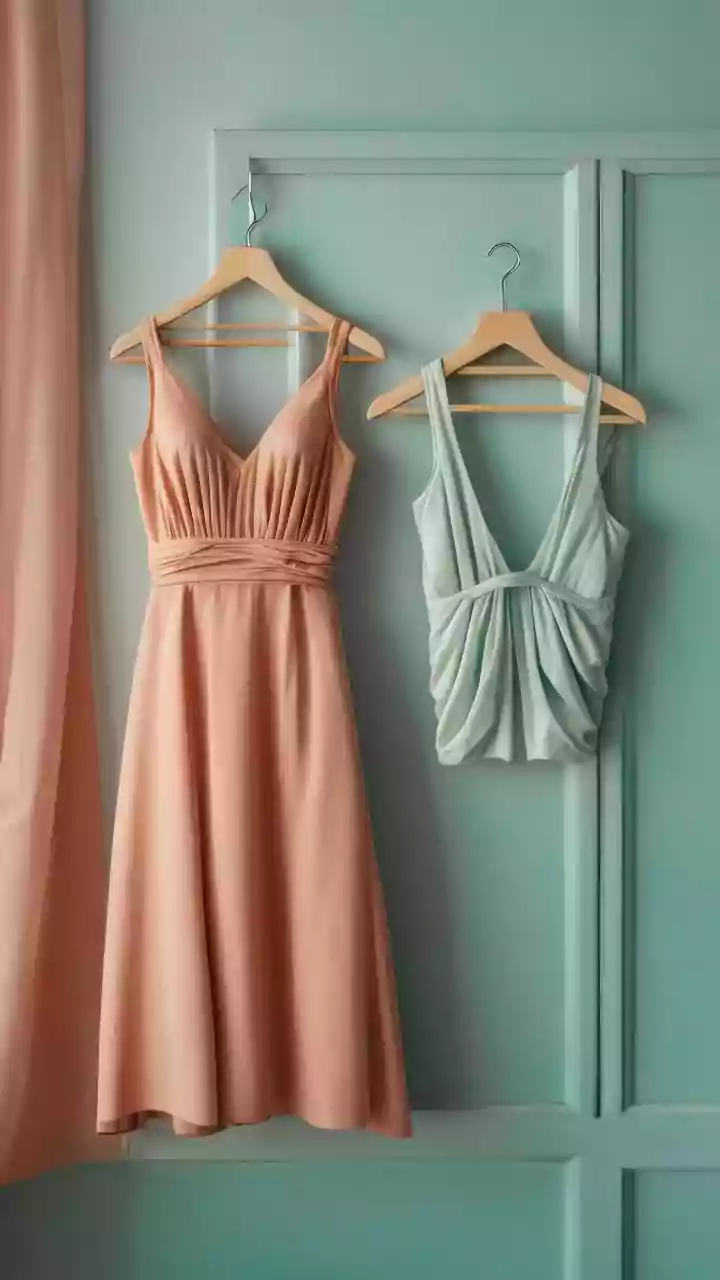
The way you store your clothes plays a surprisingly significant role in their preservation. Heavy knitwear should be folded rather than hung to prevent distortion and stretching. For items like shirts and dresses, using high-quality hangers can help maintain their structure. Ensure your wardrobe isn't overstuffed; clothes require adequate space to breathe. Additionally, maintaining a clean and dry storage environment is essential to prevent musty odours and potential fabric damage caused by moisture.
Proactive Small Repairs
Seemingly minor issues such as a loose button, a small tear, or a malfunctioning zipper can escalate into more significant problems if left unaddressed. Equipping yourself with basic mending skills can dramatically extend the life of your garments. Reattaching a button or stitching a small rip requires minimal time and effort, yet can add months or even years to a piece of clothing. For more complex repairs, consulting a local tailor is a cost-effective option.
Swift Stain Treatment
The longer a stain remains untreated, the more entrenched it becomes, making removal increasingly difficult. Prompt action is key when spills occur. Often, simple household remedies like plain water or a mild soap are sufficient for initial treatment. However, it's crucial to avoid aggressive rubbing, especially on delicate fabrics, as this can cause further damage or spread the stain.
Wardrobe Rotation Benefits
It's natural to gravitate towards a few favourite outfits, but consistently wearing the same items can lead to accelerated wear and tear on those specific pieces. Practicing rotation within your wardrobe allows garments to rest between wears. This period of repose enables the fibres to recover their shape and resilience, ultimately contributing to their overall longevity and reducing the strain on individual items.
Understanding Fabric Care
Different textile types necessitate distinct care approaches. While cotton is generally robust and forgiving, materials like wool and silk demand more specialized attention. Some fabrics are entirely unsuitable for machine washing and are best cleaned by hand. Familiarizing yourself with the care instructions provided on garment labels is a simple yet vital step in ensuring proper maintenance and preserving the quality of your clothing.
Invest in Durability
While not a direct care instruction, the principle of 'buy less, choose better' is fundamental to sustainable clothing practices. Opting for well-constructed garments naturally leads to increased longevity. This doesn't necessarily mean expensive purchases, but rather focusing on quality indicators such as neat stitching and robust fabric. Prioritizing timeless, well-made basics over fleeting trendy items ensures your wardrobe remains functional and stylish for the long term, thereby reducing the need for frequent replacements and minimizing fashion waste.