







Color Psychology & Sleep
The hues adorning your bedroom walls play a more significant role in your sleep cycle than you might realize. Art experts and sleep specialists explain
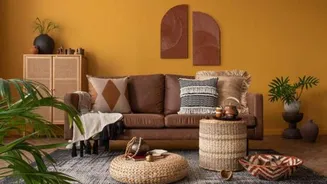
that colors evoke specific psychological and physiological responses. Cool tones, like serene blues and calming greens, are instinctively associated with the natural cues of evening—the softening sky and lengthening shadows—signaling to our brains that it's time to relax and wind down. Medically speaking, these colors activate the parasympathetic nervous system, promoting a state of 'rest and digest' where heart rate slows and muscles loosen, preparing the body for slumber. Conversely, warm colors—vibrant reds, oranges, and yellows—mimic the stimulating effects of a sunrise, triggering alertness. Bright reds, in particular, can be like a jolt of energy, creating excitement or signaling danger, which is counterproductive when trying to achieve tranquility. While warm colors might be beneficial in high-energy zones like kitchens or home gyms, they are generally detrimental to creating a restful bedroom environment, as they can even elevate heart rate.
The Ultimate Sleep Shade
When it comes to optimizing your sleep environment through color, muted blue emerges as the undisputed champion. A softer, grayish-blue hue possesses a remarkable ability to foster a sense of peace and diminish feelings of stress, making it an ideal choice for bedroom walls. This shade effectively mimics the tranquility of a calm evening sky or the gentle rhythm of ocean waves, providing a visual lullaby for the mind. Sleep experts confirm that blue's calming effect is well-documented, capable of lowering heart rate and inducing a profound sense of serenity, which can significantly expedite the process of falling asleep. Beyond its direct physiological benefits, muted blue is remarkably versatile, seamlessly integrating into a wide array of bedroom aesthetics, from minimalist modern designs to rustic cottage charm, ensuring that its sleep-enhancing properties can be harnessed by anyone seeking improved rest.
Designing Your Blue Haven
To maximize the sleep-inducing benefits of a muted blue bedroom, thoughtful interior design choices are key. Emphasize the natural, calming essence of the color by incorporating elements from the environment. Consider hanging artwork that depicts serene landscapes or utilizing natural materials such as wooden picture frames, cotton textiles for throws, or even a simple houseplant. These additions help ground the space and enhance its restful atmosphere. It's also advisable to let your muted blue walls take center stage by opting for neutral bedding. Choose soft whites or creams for your linens and avoid busy patterns or vibrant colors on the bed itself, directing attention towards the serene wall color. Finally, pay close attention to lighting; harsh illumination is the antithesis of relaxation. Instead, opt for warm, ambient lighting. Installing dimmer switches and using warm-toned bulbs, along with table lamps that cast gentle pools of light through soft shades, will beautifully complement your blue walls and create an even more tranquil sleep sanctuary.