






The Unexplained Weight Loss Signal
On World Tuberculosis Day, medical professionals are highlighting a crucial, often overlooked symptom: significant weight loss that occurs without any
intentional changes to diet or exercise routines. While many might welcome shedding pounds, an unintentional decline can be a subtle yet significant alarm bell from your body. Doctors explain that this phenomenon is a classic hallmark of active tuberculosis (TB). As the bacteria wreak havoc on the body, they elevate metabolism and suppress appetite, leading to a gradual wasting away that individuals might not immediately connect to a serious health issue. This insidious weight loss, particularly when it unfolds over a few weeks or months, warrants immediate and thorough medical investigation to rule out or confirm TB.
TB's Metabolic Impact
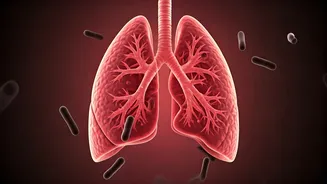
Tuberculosis, a formidable infection driven by bacteria, typically targets the lungs but can spread to other bodily systems. The mechanism behind unexplained weight loss in TB patients is multifaceted. Experts explain that the chronic inflammation induced by the infection demands a substantial increase in the body's energy expenditure. Simultaneously, the illness often diminishes a person's desire to eat, leading to a calorie deficit. This combination of heightened energy needs and reduced caloric intake, coupled with other accompanying symptoms like persistent fatigue, profuse night sweats, and a low-grade fever, results in the significant weight loss. Historically, this characteristic wasting was so prominent that TB was infamously known as 'consumption'.
Beyond Weight Loss: Other Signs
While unexplained weight loss serves as a critical warning sign, it is rarely the sole indicator of tuberculosis. A sustained cough that lingers for more than two weeks is another highly prevalent symptom that should raise concern. Beyond these, individuals may experience intermittent fevers, often more pronounced in the evenings, along with debilitating night sweats and a pervasive sense of fatigue. A noticeable decline in appetite is also frequently observed. However, it's crucial to recognize that these symptoms, including weight loss, are not exclusive to TB. They can overlap with other serious medical conditions such as thyroid dysfunctions, diabetes, various cancers, or different types of infections. Therefore, self-diagnosis is strongly discouraged; a comprehensive assessment of all presenting symptoms is essential for accurate diagnosis.
When to Seek Medical Help
If you notice a sudden and significant drop in your weight without actively trying to lose it, especially if this occurs over a relatively short period, consulting a healthcare professional becomes imperative. This urgency is amplified if the weight loss is accompanied by other potential TB indicators like a persistent cough, recurrent fevers, or drenching night sweats. Early detection of tuberculosis through timely medical evaluation can profoundly impact the effectiveness of treatment and significantly improve the chances of a full recovery. Ignoring such subtle but significant bodily signals can allow the disease to progress, making it more challenging to manage and increasing the risk of complications. Vigilance and prompt action are key to safeguarding your health.