






Budget's Broad Strokes
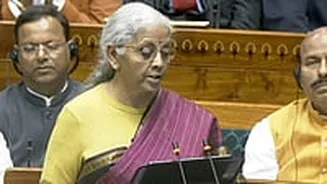
The Union Budget 2026-27 emphasized several key areas, demonstrating the government's strategic focus. One major aspect was the commitment to economic
growth, with the Finance Minister prioritizing policies aimed at sustaining a 7-8% growth rate. The budget allocated substantial resources to infrastructure development, which is expected to fuel commercial vehicle demand. Furthermore, the budget included measures to support the manufacturing sector, with a focus on boosting production and creating employment opportunities. The government proposed the concept of 'Cities as Development Hubs' for urban growth. The Ministry of Minority Affairs received an allocation of Rs 3,400 crore. There was also a notable increase in the budget allocated towards pollution control measures. These initiatives demonstrate a multi-pronged approach to foster both economic advancement and social welfare.
Manufacturing & Infrastructure
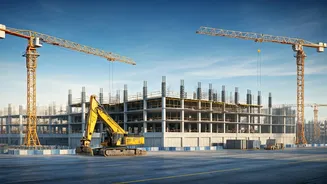
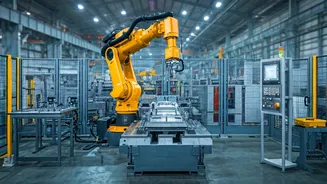
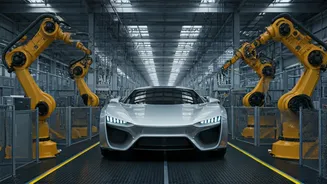
A significant focus of the Union Budget 2026-27 was the support for the manufacturing and infrastructure sectors. The budget highlighted the crucial role of infrastructure development in driving economic growth, which is anticipated to generate increased demand for commercial vehicles. Simultaneously, various measures were introduced to stimulate the manufacturing sector, aiming to foster both growth and create employment opportunities. These concerted efforts indicate a strategic move to boost domestic production capabilities. Further, the cement industry is expected to benefit from the budget's infrastructure push, signaling the importance of construction and related industries in the government's economic agenda. This targeted approach underlines the government's strategy to promote holistic economic growth, addressing the needs of critical sectors.
Taxation and Financials
Taxation and financial policies were pivotal aspects of the Union Budget 2026-27, drawing varied responses from the financial sector. The proposed fiscal measures included the enhancement of the duty-free limit to Rs 75,000, potentially impacting consumer spending. The budget also brought forth changes in tax policies, such as an IT tax overhaul, aiming to reduce litigation and make India a key hub. However, there was a decision to not offer deductions on dividends and Mutual Fund interest, which was criticized. The government proposed allowing Foreign Direct Investment (FDI) in Public Sector Banks to rise up to 49%. The Stockbrokers reacted to the announcement of a Securities Transaction Tax (STT) hike. The budget also addressed the concerns regarding the fiscal targets and debt path following the 16th Finance Commission, which would create a better fiscal framework in the long term.
Sector-Specific Reactions
The Union Budget 2026-27 prompted varied reactions across different business sectors. The Sikkim Chamber of Commerce welcomed the budget, underscoring its potential benefits. The textile sector saw a surge in stock prices following the budget announcements, reflecting positive investor sentiment. The Tyre Industry and ATMA are also expected to gain from the budget. However, certain sectors expressed reservations. CREDAI voiced their concerns regarding the budget's provisions for affordable housing. The reactions highlight the complex and multifaceted impacts of the budget on various industries within the Indian economy. Business leaders and chambers of commerce across different states showed their support of the budget. Notably, the Amul group applauded the budget, expecting a boost for dairy and cooperative businesses.
Other Key Highlights
The Union Budget 2026-27 also addressed several other noteworthy areas. A substantial Rs 1,342 crore boost was earmarked for Mission Mausam, indicating the government's focus on climate-related initiatives. Furthermore, Rs 1,471 crore was set aside for forensic schemes, reflecting a commitment to bolstering law enforcement and crime-solving capabilities. The budget also brought forth a potential increase in FDI in Public Sector Banks, with a possible limit of 49%. The budget's focus also extended to the AYUSH and nutraceutical ecosystem, signaling recognition for the growth and support to the development in these areas. Additionally, the budget's proposals included initiatives related to Rare Earth Corridors and Kerala's Turtle Trails, as part of efforts to improve the nation's infrastructure and heritage.