
Bromelain: The Culprit
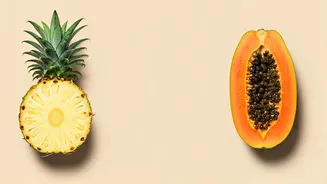
The primary cause of the tingling sensation associated with eating pineapple is bromelain, a group of enzymes found throughout the fruit. Bromelain acts
as a protease, meaning it breaks down proteins. These enzymes are particularly active on the delicate proteins that make up the surface of your mouth and tongue. As the bromelain starts to break down these proteins, you experience that familiar tingling, burning, or even a scratchy sensation. The intensity of this effect can vary based on the ripeness of the pineapple, as well as individual sensitivity. Ripe pineapples tend to have a higher concentration of bromelain. Also, the concentration varies in different parts of the fruit, with the core generally having a higher amount.
The Pineapple's Defense
Interestingly, the presence of bromelain serves a purpose for the pineapple itself. The enzyme acts as a natural defense mechanism, deterring animals from consuming the fruit before its seeds are ready for dispersal. By breaking down proteins, bromelain creates an unpleasant experience for potential predators, giving the pineapple a better chance to survive and reproduce. This defense strategy highlights the complex relationship between plants and the environment. Pineapples, like many fruits, have evolved to utilize their biochemical properties to ensure their survival. This also shows how different species interact and influence each other.
Taming the Tingles
Fortunately, several methods can minimize or eliminate the tingling sensation caused by bromelain. One effective approach is to cook the pineapple. Heat denatures bromelain, rendering it inactive. Grilled pineapple, pineapple in a cooked dessert, or even lightly sautéed pineapple will be less likely to cause a reaction. Another tip is to pair pineapple with dairy products. The proteins in dairy, like those in yogurt or milk, can bind to the bromelain, reducing its impact. Similarly, the juice from the pineapple can be mixed with dairy products and can reduce the sensation. Lastly, choose ripe pineapples wisely. While they may be sweeter, underripe pineapples tend to have less bromelain. Allowing the pineapple to ripen fully before eating it may help reduce the tingling, too.
Nutritional Benefits
Even with the potential for a tingling mouth, pineapple offers a wealth of health benefits. It's a rich source of vitamin C, an essential antioxidant that supports the immune system and helps fight off free radicals. Additionally, pineapples contain manganese, a mineral crucial for bone health and metabolism. The fruit also provides a good dose of fiber, promoting healthy digestion and contributing to a feeling of fullness. Pineapples can aid in the absorption of iron. Plus, pineapple offers trace amounts of various B vitamins. The bromelain itself has anti-inflammatory properties and may help with digestion, even if it causes a temporary sensation. Including pineapple in your diet is a flavorful way to boost your nutrient intake.
Enjoying Pineapple
Understanding the science behind pineapple's impact allows you to enjoy it with confidence. Choose your method of consumption based on preference. Whether you love it fresh, grilled, or mixed into a smoothie, you can take steps to minimize any discomfort. Consider pairing it with other foods. Remember to be mindful of your body’s reaction. By being aware of these factors, you can enjoy the many benefits of this delightful fruit without any worries. Embrace the vibrant flavors and nutritional value that pineapple offers. This way, you can fully appreciate this delicious tropical treat.