



The Perennial Timing Debate
While spring may seem like the intuitive time to introduce new plants to your garden, with its warming temperatures and renewed gardening enthusiasm, experts
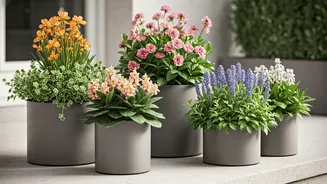
suggest a different approach for perennials. The consensus among three seasoned gardening professionals points towards autumn as the superior season for planting these long-lived plants. Specifically, the ideal window is typically four to six weeks before your region experiences its first frost. This timing allows roots to establish before the harshest winter conditions set in. However, this general rule has nuances. Herbaceous perennials often thrive with fall planting, whereas evergreen varieties typically fare better when planted in spring. Likewise, spring-blooming flowers like peonies and bearded irises are best situated in the ground during the fall, while those that bloom in autumn, such as chrysanthemums or Japanese anemones, benefit from a spring planting. Perennials that are borderline hardy for your climate, like frost-sensitive dahlias, should also be planted in spring after all risk of frost has passed. In warmer climates, generally USDA zones 7 and above, fall planting is almost universally successful due to milder winters. Conversely, in colder regions, from zones 3 to 5, gardeners might need to postpone planting some perennials until spring to protect vulnerable roots from winter kill. Ultimately, a careful study of your specific USDA growing zone and the particular needs of the perennial you're planting is paramount for success.
Autumn's Advantages for Roots
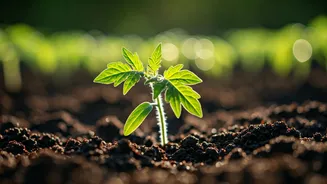
Planting perennials in the fall offers several distinct advantages that contribute to healthier plants and more robust blooms. The mild temperatures of autumn are significantly less stressful for transplanted plants compared to the intense heat of summer. This reduced stress allows the plant to focus its energy on what matters most: root establishment. Furthermore, the soil retains warmth from the summer months, encouraging continuous root development even as the air cools. Coupled with the frequent rainfall characteristic of fall, these conditions create an ideal environment for perennials to anchor themselves firmly in the soil before winter arrives. This period of quiet growth beneath the surface sets the stage for vigorous emergence and blooming come spring. Additionally, the reduced humidity in the fall naturally curtails the spread of fungal and bacterial diseases that often plague gardens in warmer, wetter conditions. Many summer pests have also completed their life cycles or become dormant, meaning fewer unnquely munching insects are around to bother your newly planted perennials. This combination of factors ensures that plants are well-prepared for the challenges of the coming seasons.
Giving Perennials a Head Start
For many perennials, planting them in the fall is akin to giving them a significant head start, enabling them to achieve greater size and produce more prolific blooms the following year. The shorter days and gentle sunlight of autumn encourage a slow, steady development of the root system throughout the winter months. This foundational root growth is crucial, as it means by the time spring temperatures rise and the plant is ready to actively grow and flower, it already possesses a strong, well-established network of roots. This robust root system can then efficiently draw water and nutrients, supporting more vigorous top growth and a more abundant flowering display. In essence, fall planting allows the perennial to dedicate its initial energy to building its underground infrastructure, ensuring that when conditions are right for above-ground growth and reproduction, it has the solid support needed to excel. This often translates to a more spectacular and satisfying floral display compared to perennials planted in the spring, which must contend with establishing both roots and top growth simultaneously under less forgiving conditions.
Key Fall Planting Practices
To maximize the benefits of fall perennial planting, adhering to a few key practices is essential. Firstly, timing is critical; aim to plant your perennials approximately four to six weeks before your area's average first frost date. Planting too close to the frost can hinder root establishment, while planting too early might encourage vulnerable new growth. Once planted, water the perennials thoroughly immediately after installation. While fall rains are helpful, this initial watering is vital for settling the soil, minimizing transplant shock, and promoting deep root penetration. When it comes to feeding, opt for a light hand with fertilizer in the fall. The goal is to encourage root development, not to stimulate excessive leafy growth that could be susceptible to frost damage. Therefore, skip heavy feeding. Finally, applying a light layer of mulch around the base of newly planted perennials is highly recommended. This mulch acts as an insulating blanket, protecting the delicate roots from temperature fluctuations and helping to retain soil moisture as the weather cools, further supporting the plant's overwintering success.