



Understanding PHMB's Role
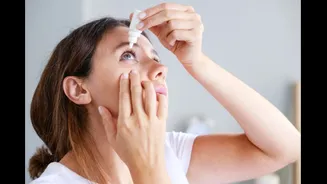
Eye drops are frequently used for various eye conditions in children, often seen as a safe solution. However, a key ingredient, Polyhexamethylene biguanide
(PHMB), a potent antimicrobial preservative in multi-dose eye drops, is now a subject of increased scrutiny. PHMB's primary function is to maintain the sterility of the solution, preventing microbial contamination, which is essential for multi-use bottles. It achieves this by disrupting the cell membranes and genetic material of microorganisms like Pseudomonas and Staphylococcus, thereby eradicating potential pathogens that could lead to severe eye infections. While its role in preserving the medication is vital, ophthalmologists are increasingly questioning its long-term implications for the delicate ocular tissues, particularly in young, developing eyes. The dual nature of PHMB, acting as a protector for the bottle while potentially harming the eye over time, is at the heart of this growing concern among eye care professionals.
Long-Term Exposure Concerns
The extended and consistent application of eye drops containing PHMB is where the primary concern lies, according to experts like paediatric ophthalmologist Dr. Mihir Kothari. While short-term usage might pose minimal risks, chronic exposure over months or years can lead to significant adverse effects on the eye's surface. Scientific studies, including laboratory research, have indicated that PHMB can induce cellular stress and, in some cases, lead to the death of corneal and conjunctival cells, even at concentrations commonly found in eye drop formulations. Clinically, this prolonged contact with preserved eye drops has been linked to issues such as ocular surface irritation, disruptions in the tear film's stability, characteristic corneal staining, increased dryness, and a noticeable delay in the natural healing process of the corneal epithelium. Essentially, while the eye drops are prescribed to treat specific ailments, they may inadvertently compromise the eye's own protective mechanisms and structural integrity over time.
Children's Vulnerability Explained
The implications of PHMB exposure become significantly more pronounced and worrisome when considering children, especially those requiring long-term eye care regimens for conditions such as progressive myopia or other chronic eye issues. A child's ocular surface is in a state of continuous development, making it inherently more susceptible to damage from repeated exposure to potentially harmful substances. Dr. Kothari emphasizes that this developmental stage means prolonged contact with certain preservatives could heighten the risk of ocular surface inflammation. Furthermore, it may lead to stress on the limbal stem cells, which are crucial for maintaining and repairing the cornea. In essence, what appears to be a routine or necessary medical treatment could, without parents' full awareness, subtly undermine the eye's capacity for self-repair and its overall health and resilience throughout childhood and beyond.
Discovering Safer Alternatives
Fortunately, advancements in ophthalmic technology offer a promising outlook with the availability of safer alternatives to traditional preserved eye drops. Many eye care specialists now advocate for minimizing preservative exposure, particularly for individuals undergoing extended treatment, including children. Dr. Kothari strongly advises that wherever feasible, preservative exposure should be reduced, especially for paediatric patients requiring prolonged therapy. Innovative preservative-free eye drop systems are now accessible. These advanced formulations employ sophisticated packaging designs and delivery mechanisms to ensure the sterility of the solution without the necessity of incorporating potentially damaging chemical preservatives. As childhood myopia cases increase and long-term eye treatments become more common, the focus on eye drop composition and safety is gaining critical importance, prompting a re-evaluation by both manufacturers and consumers regarding the ingredients in everyday eye medications.