







Colossal Dam Revealed
Contrary to popular belief, the title of Asia's tallest dam does not belong to China or Japan, nations renowned for their massive infrastructure projects.
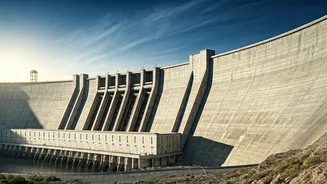
Instead, this monumental structure is located in India. Standing as a testament to human ingenuity and engineering prowess, this dam's sheer scale is breathtaking. Its construction involved overcoming significant geological and logistical challenges, culminating in a structure that not only controls water resources but also stands as an imposing landmark. The dam's primary purpose is multifaceted, encompassing irrigation, hydroelectric power generation, and flood control, playing a crucial role in the socio-economic development of the region it serves. Its presence signifies a triumph of engineering over natural obstacles, a symbol of progress and a vital resource for millions.
Location and Scale
The tallest dam in Asia is situated in India, a fact that often surprises many who assume such colossal engineering achievements are confined to East Asian powerhouses. This formidable structure is specifically located in the state of Uttarakhand, a region known for its rugged terrain and abundant water resources. Its immense height is a key differentiator, making it a significant engineering marvel. The dam's construction required meticulous planning and execution, utilizing advanced techniques to manage the immense pressure exerted by the vast reservoir it holds back. The surrounding landscape of the Himalayas provides a dramatic backdrop to this architectural wonder, highlighting the scale of the undertaking. Its strategic location not only leverages natural topography but also ensures efficient distribution of water for various critical needs.
Engineering and Facts
This towering dam boasts an impressive height that places it firmly at the pinnacle of Asian engineering achievements. Its construction is a feat of modern engineering, employing robust materials and advanced techniques to ensure stability and longevity. The dam is primarily a concrete gravity dam, designed to withstand immense hydrostatic pressure by utilizing its own weight. The sheer volume of concrete and other materials used in its construction is staggering, reflecting the scale of the project. Beyond its height, the dam serves multiple vital functions. It generates a significant amount of hydroelectric power, contributing to India's energy independence. Furthermore, it provides essential irrigation water to vast agricultural lands, boosting crop yields and supporting the livelihoods of numerous farmers. Flood mitigation is another critical role it plays, protecting downstream communities from the destructive forces of monsoon rains and riverine overflows. The project also involved the creation of a substantial reservoir, a man-made lake that supports local ecosystems and offers potential for recreational activities. The dam's design and operational efficiency are continuously monitored to ensure optimal performance and safety.