


Charming Pansies & Violas
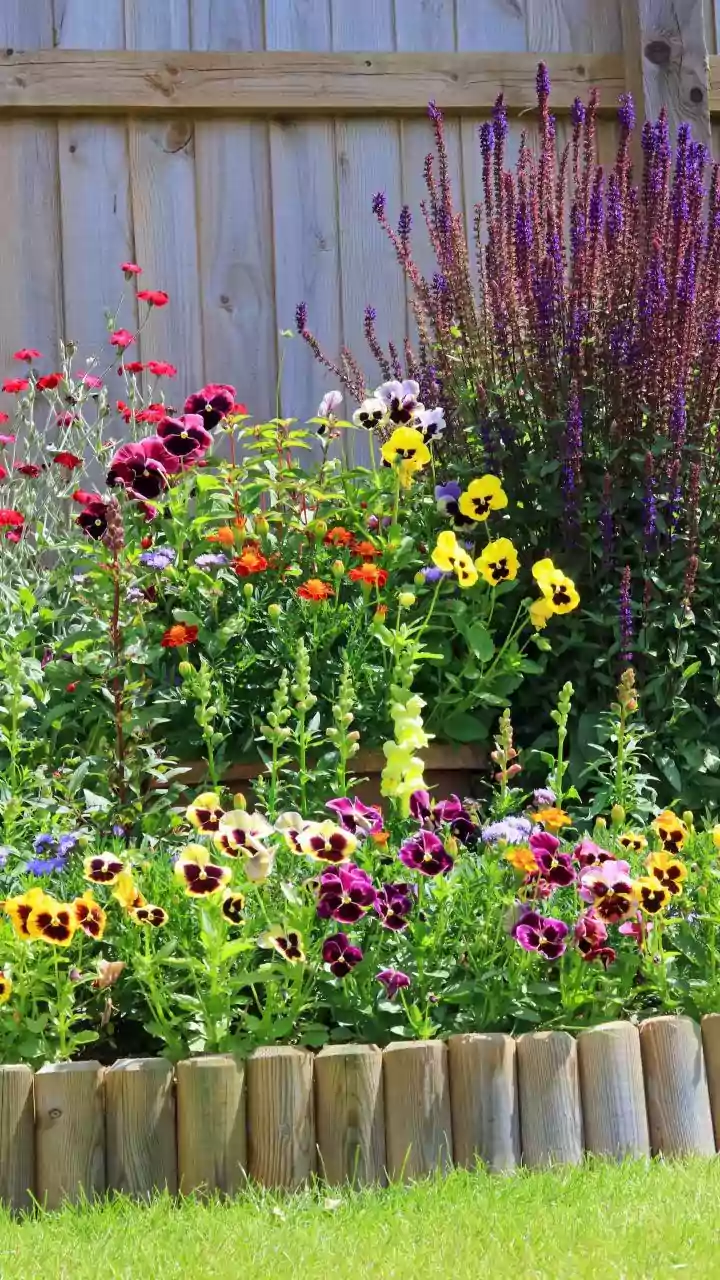
For a reliable burst of cool-season color, pansies and violas are exceptional choices for container gardening. These resilient flowers thrive in chilly
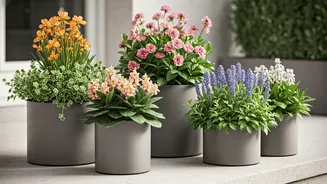
weather, making them perfect for early spring displays and even into the fall. They can be planted individually or combined with other cool-tolerant annuals, offering a delightful low-profile accent that looks particularly striking in wide, shallow planters or as a charming filler around larger plants. While they are generally low-maintenance, a light fertilization throughout their growing period encourages abundant flowering without becoming leggy; a complete lack of feeding can result in diminished blooms. Suitable for USDA zones 6-10, these plants come in a vast array of colors, including blues, purples, reds, yellows, whites, and even deep blacks, often featuring distinctive dark centers. They flourish in full sun to partial shade and prefer a consistently moist, general-purpose potting mix. When summer's warmth arrives, they can easily be replaced with heat-loving plants, maximizing your container's seasonal appeal.
Vibrant Cineraria Blooms
Belonging to the sunflower family, Cineraria (Pericallis × hybrida) presents a spectacular show of color, often cultivated as an annual despite being a perennial. This plant is capable of blooming for an impressive duration of up to five months, provided it is kept in cool conditions and regularly deadheaded to encourage continuous flowering. Maintaining consistent moisture is key – the soil should be kept damp but never waterlogged, and it's crucial to prevent the plant from drying out completely. Larger containers filled with a good quality, moisture-retentive potting mix will significantly contribute to its success. Like many prolific bloomers, Cineraria benefits from regular feeding to sustain its vibrant display. Primarily suited for USDA zones 9-11 and typically grown as annuals elsewhere, they offer stunning hues of cobalt and light blue, lavender, magenta, and pink, often highlighted by contrasting white centers or bi-color patterns. These beauties prefer partial shade and a moist potting soil mix.
Unique Spiral Sorrel
Spiral Sorrel, a captivating member of the Oxalis genus, also known as wood sorrels, offers a delightful mounding habit that makes it an excellent choice for container fillers. While its natural flowers are typically yellow, cultivated varieties boast an exciting range of foliage colors, from vibrant green to deep, rich purple. To ensure this plant thrives, consistent fertilization and moderate watering are essential; it prefers soil that is moist but not sodden. If the plant begins to appear leggy, a simple rejuvenation by cutting it back entirely will encourage new, compact growth. Deadheading is not required for Spiral Sorrel. It is adaptable to USDA zones 9-11 and is often grown as an annual in other regions. Its sunny yellow blooms complement its diverse foliage. It performs best in full sun to partial shade and requires a potting mix with medium moisture levels.
Elegant Coral Bells
Coral Bells (Heuchera spp., x Heucherella) and their hybrid variations are perennial plants renowned for their year-round foliage appeal and delicate blooms, thriving particularly well in shady conditions. Their remarkable cold tolerance and low fussiness make them exceptionally well-suited to the fluctuating temperatures of early spring. These plants are sensitive to waterlogged roots, so a well-draining potting soil that leans towards the drier side is crucial. Incorporating a slow-release fertilizer into the soil mix can enhance both the vibrancy of their foliage and the quality of their blooms. Coral Bells can be showcased as stunning standalone specimens in generous containers or used as elegant cascading elements around the edges of mixed plantings. For gardeners in colder climates, potted Coral Bells can be overwintered in a protected, dry location and reintroduced to their garden spots the following spring. They are suitable for USDA growing zones 4-9, offering blooms in shades of red, white, coral, and pink, alongside a wide spectrum of foliage colors and patterns. Depending on the specific variety, they prefer full sun to part shade and require potting soil that is dry to medium-moist.
Hardy Cool-Season Edibles
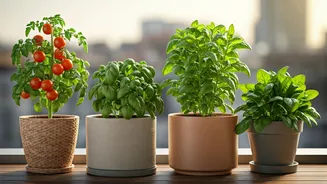
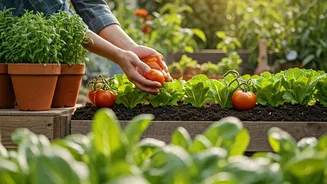
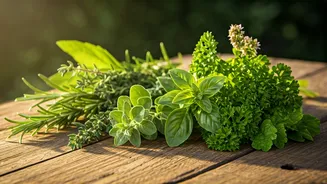
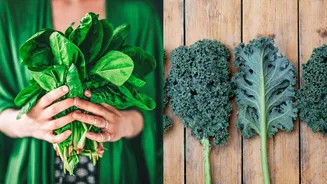
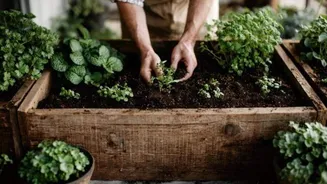
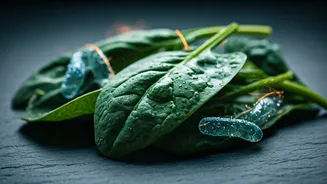
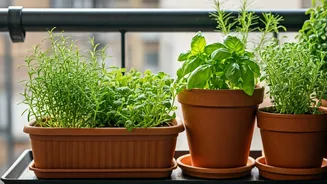
For those looking to add both beauty and utility to their spring containers, cool-season herbs and leafy vegetables are ideal candidates. Plants like kale and parsley are exceptionally cold-hardy and add a striking visual element to pots, integrating seamlessly with other plants in mixed containers. A variety of popular herbs, including oregano, cilantro, thyme, sage, mint, lemon balm, and chives, also adapt well to container living and complement leafy greens beautifully. Beyond kale, other delicious spring greens such as spinach and chard are excellent choices for adding texture and flavor to your container garden. These plants are generally suitable for USDA hardiness zones 2-11 and are typically grown as annuals. Their appeal lies in their lush green foliage rather than flowers. They thrive in conditions ranging from full sun to partial shade, depending on the specific leafy green, and prefer a potting mix with medium moisture.