





Sacred Journey Details
The much-anticipated Kailash Mansarovar Yatra (KMY) for 2026 is officially commencing, with registrations now open. This deeply spiritual pilgrimage, undertaken
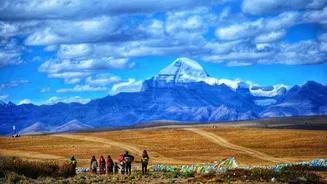
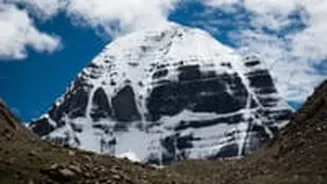
in collaboration with the Chinese government, is scheduled to run from June to August 2026. Pilgrims can anticipate a journey steeped in profound religious significance and surrounded by breathtaking natural beauty, traversing the unique landscapes of the Kumaon and Sikkim regions. The entire selection process for participants will be managed through a computerised, random, and gender-balanced electronic draw to ensure fairness among all applicants. Key dates to mark are the registration deadline of May 19, 2026, with the Yatra itself lasting approximately 23 to 25 days, contingent on the chosen travel path.
Choosing Your Sacred Route
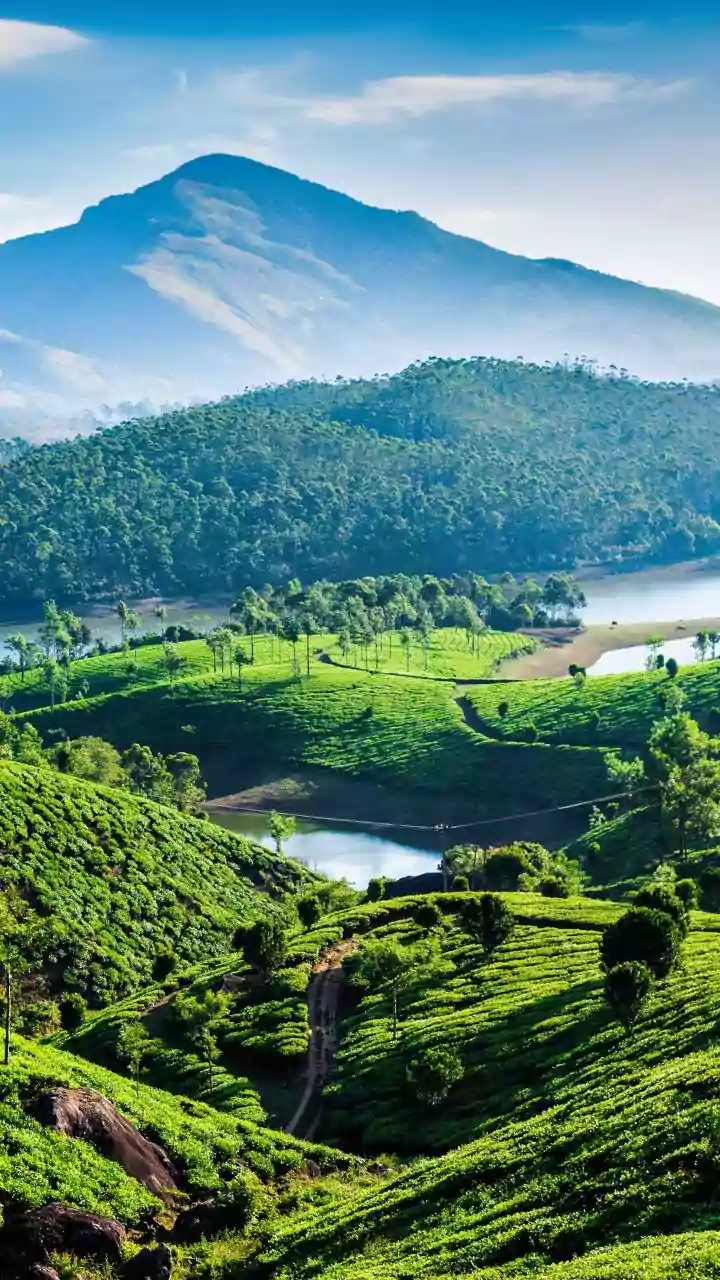
For the 2026 Kailash Mansarovar Yatra, pilgrims have the distinct opportunity to select from two primary trekking routes, each offering a unique perspective on the journey. The first option is the Lipulekh Pass route in Uttarakhand. This path involves crossing into China via the Lipulekh Pass, providing an immersive experience of Uttarakhand's rugged terrain. This route can accommodate 10 batches, each comprising 50 pilgrims, with departure points available from Delhi or Dharchula. Alternatively, pilgrims can opt for the Nathu La Pass route in Sikkim. This scenic journey winds through the picturesque landscapes of Sikkim before crossing into China at the Nathu La Pass. Similar to the Lipulekh route, Nathu La can also handle 10 batches of 50 pilgrims each, with departure points from either Delhi or Gangtok.
Eligibility Criteria Unveiled
To ensure the well-being and safety of all participants undertaking the high-altitude journey of the Kailash Mansarovar Yatra, stringent eligibility criteria have been established. Applicants must be Indian citizens holding a valid ordinary Indian passport, which must remain valid for at least six months beyond September 1, 2026. The age range for participants is between 18 and 70 years as of January 1, 2026. A crucial health requirement is a Body Mass Index (BMI) of 25 or less. Individuals with pre-existing medical conditions such as hypertension, diabetes, asthma, heart disease, or epilepsy are generally considered ineligible for this pilgrimage. It is important to note that foreign nationals, including those holding OCI and PIO cards, are not eligible to apply for the Yatra.
Seamless Online Application
The process for applying to the 2026 Kailash Mansarovar Yatra has been simplified and is conducted entirely online through the official portal, kmy.gov.in. No paper applications will be accepted, so ensure you have reliable internet access. To begin, you'll need to register and create a user account on the official website. Before proceeding, have scanned copies of essential documents ready: your photograph, in JPG format with a maximum size of 300 KB, and your passport, in PDF format, not exceeding 500 KB. During the application, you will be able to indicate your preferred route and departure city (Delhi, Dharchula, or Gangtok). For those wishing to travel together, the system allows for submitting up to two registrations under a single account, provided you aim for the same pilgrimage batch.
Mandatory Medical Checks
The demanding nature of the Kailash Mansarovar Yatra, which involves trekking to altitudes as high as 19,500 feet where atmospheric pressure and oxygen levels are significantly reduced, necessitates rigorous medical examinations. These screenings are vital to preempt and mitigate risks such as hypoxia and pulmonary edema. All pilgrims selected for the Yatra must successfully pass these medical tests. The initial screening will take place in New Delhi at designated medical facilities, including the Delhi Heart and Lung Institute and the ITBP Base Hospital. A second, mandatory medical checkup will be conducted en route, either at Gunji for those on the Lipulekh route or at Sherathang for pilgrims taking the Nathu La route. While the initial Delhi tests may incur a fee, the secondary medical assessments at Gunji and Sherathang are provided free of charge by the Indo-Tibetan Border Police (ITBP).
Important FAQs Answered
Regarding financial assistance, the Central Government does not offer direct aid for the Kailash Mansarovar Yatra. However, some state governments do provide subsidies to their residents to help offset the travel expenses. The overall cost of the Yatra encompasses transportation, catering, and accommodation, arranged by KMVN/STDC within India and by the Chinese authorities in Tibet. Pilgrims are permitted to carry their regular prescribed medications, and it's advisable to pack an adequate supply for the entire journey. Consulting with ITBP doctors beforehand is also recommended. In the event of illness on the route, minor ailments are managed by on-site medical staff. For major emergencies, helicopter evacuation might be an option, but this is subject to weather conditions and administrative approval, and any such evacuation would be at the pilgrim's own expense.