






Understanding Cabinet Costs
Cabinetry frequently represents a substantial portion, often exceeding 40%, of a kitchen renovation's overall budget. This significant expense stems from
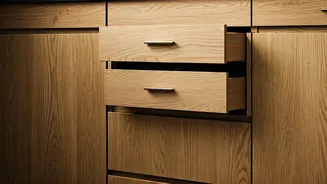
various factors, including the cost of raw materials, intricate design processes, the precision of manufacturing, and the fees associated with professional installation. Even cabinets produced domestically can incur higher prices due to the inclusion of specialized components like smooth-operating drawer slides and sophisticated organizational inserts. Furthermore, the longevity and durability of cabinetry are directly linked to the quality of craftsmanship invested, which, as seasoned installers note, is an art form. Well-made cabinets are designed to withstand daily use without degrading, a testament to their superior construction, unlike cheaper alternatives that may exhibit flimsy joinery, poorly fitted hinges, and substandard finishes.
Savvy Material Choices
When aiming to manage your cabinetry budget effectively, a crucial first step involves clearly defining your financial parameters and allocating a specific portion to this element. This clarity will guide your selection among the primary cabinet categories: stock, semi-custom, and custom. Stock cabinets, often readily available in standardized dimensions like those from IKEA, present an economical option, especially if you're willing to undertake assembly yourself, and typically offer prompt delivery. Semi-custom cabinets provide a middle ground, allowing for more flexibility in terms of dimensions, aesthetics, and modifications. Fully custom cabinets, on the other hand, are built precisely to your specifications, offering limitless design possibilities but at a higher price point. Generally, stock cabinetry, frequently constructed from cost-efficient engineered woods such as particleboard and MDF, represents a more budget-friendly tier. Conversely, custom cabinets are typically associated with superior quality, often utilizing high-grade plywood and solid wood for their construction.
Embrace Standard Sizes
A highly effective method for controlling expenses, irrespective of the cabinet type you opt for, is to adhere to standard sizing conventions. This principle applies even when considering custom cabinetry. The reason for this cost-saving benefit is that standard cabinet dimensions are more straightforward and quicker for manufacturers to produce. This reduced complexity translates into less need for bespoke alterations and tailor-made solutions designed specifically for your unique kitchen space, thereby lowering labor and material costs associated with customization.
Opt for Standard Finishes
While the allure of perfectly matching your cabinets to a specific decor item or embracing a fleeting trend with custom colors and stains can be tempting, it's important to note the associated costs. According to design professionals, the creation of custom paint or stain formulations for cabinetry can inflate prices by at least 10%. To maintain fiscal prudence, it is advisable to select from the pre-approved range of stain and paint options provided by the cabinet manufacturer. This approach effectively sidesteps the unnecessary expenses linked to custom color development, allowing you to achieve a beautiful finish without additional financial strain.
Revitalize Existing Cabinets
One of the most impactful strategies for reducing expenditure on your cabinetry project involves maximizing the use of your current cabinets whenever feasible. Rather than opting for a complete overhaul, consider retaining the existing cabinet boxes and simply updating the exterior. By replacing just the door and drawer fronts, you can dramatically refresh the appearance of your kitchen for a significantly lower cost than a full replacement. This method not only saves money but also contributes to a more sustainable renovation by repurposing materials that are already in place, breathing new life into your existing space with a fraction of the investment required for entirely new units.
Strategic Feature Additions
While specialized organizational features tailored to your daily habits can be incredibly appealing, it's essential to exercise restraint, as these additions can rapidly escalate costs. Features like integrated pull-out bins for trash and recycling, dedicated drawers for pots and pans, built-in spice racks, concealed appliance garages, double-tier drawers, pull-down shelving, custom knife block inserts, convenient toe-kick drawers, and even integrated charging stations, while innovative, all come with a price tag. Design experts recommend judiciously incorporating these elements, prioritizing those that offer the most functional benefit and maximize the use of valuable kitchen space. Prime candidates for such upgrades often include solutions for corner cabinets, such as Super Susans or blind corner pullouts, as well as efficient trash and spice pullouts, ensuring that every inch of your kitchen real estate is utilized effectively.