






Altered Eating Sensations
GLP-1 medications, often simplified as appetite suppressants, exert a far more complex influence on our relationship with food. They don't just diminish
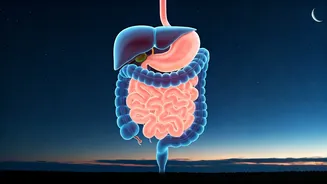
the desire to eat; they fundamentally alter the very experience of consuming it and how our bodies react afterward. A common, initially surprising effect is a persistent, though not always severe, nausea that subtly guides daily food selections. Foods that were once unremarkable can suddenly feel heavy or deeply unappealing. Furthermore, the sensation of fullness arrives much earlier and more definitively than before. This isn't a matter of willpower or psychological influence; it's a direct physiological consequence. The medication significantly slows down gastric emptying, meaning food remains in the stomach for extended periods. Even a small increase in intake beyond this new threshold can rapidly shift a person from a state of comfort to feeling distinctly unwell, necessitating a re-evaluation of portion sizes and food types.
Specific Food Tolerance
The impact of GLP-1 medications on digestion leads to a highly specific tolerance for different foods. Many individuals find that rich, greasy, or heavily processed items, particularly those high in animal fats and refined sugars, are poorly tolerated. These foods are more likely to induce unpleasant symptoms such as nausea, acid reflux, bloating, and a general feeling of discomfort that can linger throughout the day. In contrast, lighter fare tends to be much more agreeable. This includes lean proteins, broths, soups, comforting stews, and gently cooked vegetables. The act of eating shifts from a pursuit of preference to a strategic management of potential negative aftereffects. As leading GLP-1 researcher Daniel Drucker points out, these therapies go beyond appetite control, profoundly impacting gastrointestinal function and how the body processes nutrients, leading to a necessary adaptation in dietary habits.
Physiological Boundaries
The transition in food tolerance under GLP-1 medication is often swift and pronounced. Foods that were previously consumed without issue can quickly become problematic, triggering immediate physical responses like nausea, pressure, or fatigue. This forces an unavoidable adjustment in eating patterns. People on these medications don't just reduce their intake through conscious effort; their bodies actively set new physical limits. This physiological shift results in naturally smaller portion sizes and simpler meal compositions. Food preferences evolve not out of discipline, but in direct response to what the body can comfortably process without adverse reactions. The World Health Organization's inclusion of GLP-1 medicines on its Essential Medicines List for type 2 diabetes underscores their recognition as crucial treatments that influence metabolism, digestion, and nutrient tolerance, not merely appetite suppression.
Social Eating Challenges
The physiological changes induced by GLP-1 medications can make large social meals challenging and often impractical. Standard restaurant portions frequently exceed the body's newfound capacity, not due to a lack of hunger, but because the physical limits are reached much sooner. Meals that were once leisurely events now require an early cessation to avoid discomfort. This isn't about self-control or dietary restraint; it's the body's physiological responses dictating boundaries that are difficult to ignore. Consequently, the experience of dining out or participating in communal meals requires a different approach, one that prioritizes listening to the body's signals over social norms or perceived appetite.
Nutritional Risk Management
A critical, often overlooked aspect of GLP-1 medication use is the potential for nutritional deficiencies. When appetite signals are blunted, there's an increased risk of inadvertently falling short on essential nutrients like protein and fibre, as well as vital micronutrients. While rapid weight loss might occur, without careful attention and guidance, this can be accompanied by a decline in muscle mass, energy levels, and overall metabolic stability. The suppression of appetite affects intake volume but does not alter the body's fundamental nutritional requirements. Therefore, maintaining adequate nutrient intake becomes paramount, especially with the reduced food volumes now being consumed, highlighting the need for informed dietary planning.
Mindful Eating Intelligence
Beyond its impact on nutrition, GLP-1 medication significantly reduces an individual's physical tolerance for poorly balanced or overly rich meals. The body becomes less forgiving, and the immediate connection between what is consumed and how it feels becomes much more pronounced. This heightened sensitivity necessitates a more intelligent approach to eating. The core question is no longer about the efficacy of GLP-1 in managing weight or diabetes, but rather our readiness to adapt to the sophisticated nutritional and physiological awareness it demands. It requires a conscious effort to understand these new bodily signals and make informed choices that support well-being, transforming eating from an automatic act into a thoughtful, responsive process.