

Keoladeo National Park's Avian Spectacle
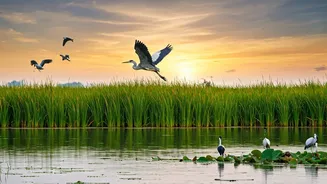
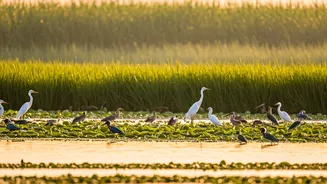
Renowned as a prime birding destination, Keoladeo National Park in Rajasthan's Bharatpur is a sanctuary teeming with life, boasting over 350 bird species.
During the winter months, this vibrant ecosystem becomes a crucial stopover for numerous migratory birds arriving from distant lands like Central Asia and Siberia. Visitors can marvel at the presence of magnificent pelicans, elegant cranes, and a diverse array of duck species gracing its waters and skies. The park's landscape, intricately designed with a mosaic of marshes, lush woodlands, and open grasslands, provides an ideal and varied environment, catering to the keen observation of both novice enthusiasts and seasoned birdwatchers alike, making every visit a rich and rewarding experience.
Chilika Lake's Migratory Millions
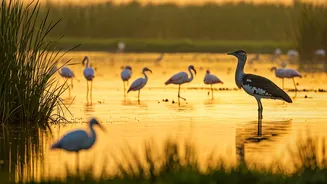
Stretching along the eastern coast of Odisha, Chilika Lake stands as India's largest brackish water lagoon, a breathtaking expanse of water vital for countless avian visitors. Each year, as winter descends, the lake transforms into a bustling metropolis for hundreds of thousands of migratory birds. Species like the striking flamingos, swift pintails, and ubiquitous gulls make their way to these fertile grounds. A particularly significant area within Chilika is the Nalabana Bird Sanctuary, a renowned hotspot that consistently draws vast numbers of birds, offering unparalleled viewing opportunities for those captivated by nature's aerial displays.
Sultanpur's Winter Visitors
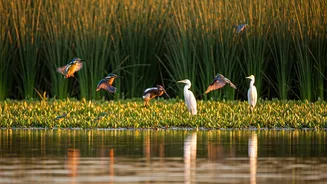
Conveniently located a short journey from the bustling cities of Gurugram and Delhi, Sultanpur National Park presents a more compact yet equally captivating wetland experience. As winter arrives, this sanctuary emerges as a critical haven for a multitude of migratory birds that seek refuge and sustenance. Birdwatchers frequently encounter species such as the iconic Siberian cranes, majestic rosy pelicans, and various types of storks and herons, adding to the park's rich biodiversity. Its accessible location makes it a favored destination for a quick yet deeply engaging birding excursion.
Loktak Lake's Floating Wonders
Nestled in the heart of Manipur, Loktak Lake holds the distinction of being the largest freshwater lake in Northeast India. What sets this wetland apart are its unique floating islands, known as 'phumdis,' which create a surreal and dynamic landscape. The lake's ecosystem is incredibly supportive of a wide variety of resident waterbirds and attracts numerous migratory species. Adding to its allure, Loktak is situated in close proximity to the Keibul Lamjao National Park, famously recognized as the world's only floating national park, further enhancing its ecological and ornithological significance.
Kolleru Lake's Avian Abundance
Strategically positioned between the vital river systems of Krishna and Godavari in Andhra Pradesh, Kolleru Lake represents a crucial natural habitat for a variety of significant bird species. It is particularly noted for its substantial populations of pelicans, graceful painted storks, and the distinctive openbill storks. During the winter season, the lake undergoes a remarkable transformation, becoming a vibrant and bustling refuge for thousands of migratory birds that descend upon its waters, creating a truly spectacular avian gathering.
Deepor Beel's Waterfowl Haven
Located near the bustling city of Guwahati in Assam, Deepor Beel is a permanent freshwater lake and a wetland ecosystem of considerable importance within the Brahmaputra valley. This serene environment serves as a magnet for a diverse array of migratory waterfowl, offering a crucial resting and feeding ground. Visitors can observe a rich variety of species, including colorful kingfishers, stately storks, and numerous duck species, all contributing to the wetland's vibrant biodiversity and ecological health.
Pulicat Lake's Flamingo Fleets
As India's second-largest brackish water lagoon, Pulicat Lake, situated along the coastline of the Bay of Bengal, is a natural wonder. It is especially celebrated for its massive congregations of flamingos, which paint the landscape in vibrant hues of pink. The surrounding marshlands and the numerous sandbars that dot the lagoon offer abundant feeding opportunities and safe havens for a multitude of waterbirds, making it a premier destination for observing these magnificent avian communities.
Harike Wetland's Riverine Visitors
Formed at the significant confluence where the Beas and Sutlej rivers meet in Punjab, Harike Wetland stands as one of North India's most ecologically vital wetlands. It plays a critical role as a stopover point for a vast number of migratory birds. During the winter months, the wetland becomes a popular sighting ground for species such as the distinctive bar-headed geese, energetic coots, and various types of diving ducks, all drawn to the rich resources provided by this unique riverine environment.
Vembanad Lake's Ecosystem Richness
Part of the expansive Vembanad–Kol wetland system in Kerala, Vembanad Lake is a vast expanse of water that supports a rich diversity of both resident and migratory avian populations. This extensive wetland ecosystem provides crucial habitats and feeding grounds for numerous species throughout the year. The nearby Kumarakom Bird Sanctuary, nestled within this wetland system, is a particularly well-known and cherished site for birdwatching, attracting enthusiasts eager to experience its natural splendor.
Nal Sarovar's Winter Gathering
Located in the vicinity of Ahmedabad, Gujarat, Nal Sarovar Bird Sanctuary is a shallow wetland that truly comes alive during the winter season. It is renowned for attracting immense populations of birds, creating a spectacular avian spectacle. Visitors can witness large numbers of flamingos, pelicans, cranes, and a wide variety of waterfowl flocking to the lake. This makes Nal Sarovar one of western India's most rewarding and visually stunning birdwatching destinations, offering an unforgettable experience of natural abundance.