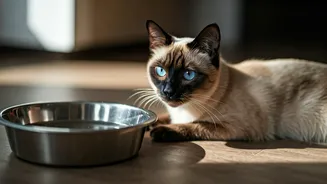




Feline Hydration Needs
Cats possess a naturally low thirst drive, a trait stemming from their wild ancestors who obtained most moisture from prey. This inherent characteristic
poses a significant challenge for indoor cats, especially during the sweltering Indian summer. Daily water requirements for a cat amount to approximately 50 ml per kilogram of body weight. As ambient temperatures escalate, often surpassing 40°C in many regions, this need intensifies. Insufficient water intake can lead to serious health issues such as chronic kidney disease (CKD), urolithiasis, and urinary tract infections (UTIs). These conditions arise from concentrated urine and a reduced ability of the body to efficiently excrete toxins. Therefore, it is paramount for cat owners to proactively manage their pet's hydration levels, particularly during periods of extreme heat, to prevent these detrimental health consequences and maintain overall well-being.
Optimizing Water Access
Strategic placement of water bowls is a crucial, often overlooked, aspect of feline hydration. Cats prefer to drink away from their food sources, so positioning bowls in calm, shaded areas where they frequently rest is ideal. It's recommended to have multiple water stations throughout the house. Regularly refreshing the water, at least twice daily, is essential as cats are repelled by warm, stagnant water. The type of bowl also plays a role; wide and shallow containers are preferable to deep ones. This design prevents a cat's sensitive whiskers from brushing against the sides, which can be a deterrent. Furthermore, wide bowls accommodate breeds with flatter snouts, like Persians, making drinking easier. Introducing a cat water fountain can also significantly boost intake. The sound and visual appeal of running water often entice cats, while simultaneously keeping the water cool and oxygenated. For hesitant drinkers, adding a few ice cubes can enhance the water's attractiveness.
The Power of Wet Food
Incorporating wet food into your cat's diet is an exceptionally effective method for ensuring adequate hydration, especially during summer months. Wet food formulations typically consist of up to 80% moisture content, meaning each meal contributes substantially to the cat's daily fluid intake. This strategy is particularly advantageous for cats that exhibit a general reluctance to drink water from bowls. If your cat is accustomed to a dry food diet, a gradual transition to including wet food is advised to prevent any digestive upset. This dietary adjustment, combined with readily available fresh water, forms a comprehensive approach to managing feline hydration, ensuring your pet remains comfortable and healthy despite the oppressive heat.
Recognizing Dehydration Signs
Beyond ensuring sufficient water intake, vigilant observation for signs of dehydration and discomfort in cats is critical. Pet parents should regularly check for indicators such as dry or sticky gums, persistent vomiting, noticeable lethargy, sunken eyes, a diminished appetite, and reduced skin elasticity. Prompt veterinary attention is imperative if any of these symptoms manifest. Consistent monitoring of your cat's drinking habits and timely replenishment of their water bowls are the most straightforward yet effective ways to guarantee they remain hydrated and can flourish even in extreme heat. Cultivating a habit of consistent hydration management, rather than treating it as a one-off task, is key to your cat's long-term health and well-being throughout the summer season.