



Pea Perfection Basics
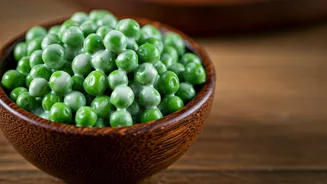
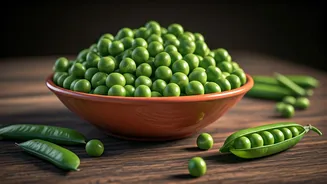
Creating delicious creamed peas begins with understanding your primary ingredient: peas. While frozen peas are a fantastic year-round option, offering
affordability and consistent quality, fresh peas can also be used. If opting for fresh, a quick blanch in boiling water for one to two minutes until tender, followed by a thorough draining, is key to achieving the right texture. Canned peas are a last resort; while they'll work in a pinch, their significantly softer texture and muted flavor and color are noticeable drawbacks. Regardless of the type, ensure you have about two heaping cups for this recipe, and if using canned, a good rinse is essential. For those with dietary restrictions, the recipe is adaptable. Dairy-free or vegan needs can be met by substituting full-fat canned coconut milk for heavy cream and using dairy-free butter. The foundation of the dish relies on a smooth, flavorful base that complements the sweet tenderness of the peas.
Crafting the Creamy Sauce
The heart of this dish lies in its velvety sauce, starting with a classic roux. In a spacious sauté pan over medium heat, melt two tablespoons of salted butter. Once melted, sprinkle in one tablespoon of all-purpose flour, stirring continuously for about two to three minutes. This process cooks out the raw flour taste and creates a pale roux, essential for thickening without adding unwanted color. Gradually introduce three-quarters of a cup of heavy cream, whisking constantly to achieve a smooth, lump-free mixture. Allow this cream base to simmer gently until it begins to thicken, reaching a consistency that lightly coats the back of a spoon without immediately running off. Once this perfect consistency is achieved, reduce the heat to medium-low to prevent scorching and ensure the sauce remains smooth. This careful preparation ensures a rich, decadent sauce that binds beautifully with the peas.
Seasoning and Enhancements
Elevating the creamed peas involves simple yet impactful seasoning and the exciting possibility of custom additions. To the thickened cream sauce, stir in one teaspoon of granulated sugar to subtly enhance the natural sweetness of the peas. Add a quarter teaspoon of salt to balance the flavors, and an eighth of a teaspoon of black pepper for a hint of warmth. Once these seasonings are incorporated, gently fold in the prepared peas, ensuring they are evenly coated in the luscious sauce. Stir until the peas are heated through. Beyond this classic preparation, the dish offers ample opportunity for personalization. Consider sautéing finely diced yellow onion in the butter before making the roux for added depth, or incorporate the savory crunch of cooked, crumbled bacon. Sliced mushrooms, sautéed beforehand, introduce an earthy, umami note. For a cheesy twist, stir in about three tablespoons of grated Parmesan cheese until melted. Even boiled, fork-tender potatoes or a few handfuls of fresh spinach wilted into the hot sauce can transform the dish. Finally, a sprinkle of fresh herbs like parsley, thyme, chives, or dill right before serving adds a bright, aromatic finish, while a pinch of crushed red pepper can introduce a gentle heat.
Serving and Storing
Creamed peas shine as a versatile and comforting side dish, perfect for a variety of occasions. Their old-fashioned charm makes them an excellent addition to holiday meals like Easter or Thanksgiving, pairing wonderfully with traditional favorites such as baked ham or roasted chicken. For a complete vegetarian meal, they complement dishes like lentil loaf. Enhance the plate further with other complementary vegetables like glazed carrots. When it comes to leftovers, creamed peas are best enjoyed fresh, but they can be stored in an airtight container in the refrigerator for up to three days. Reheating is simple: gently warm them on the stovetop or in the microwave. If the sauce has thickened too much during storage, a small splash of room temperature cream, half-and-half, or milk can help loosen it to the desired consistency. It's important to note that freezing cream-based sauces like this one is generally not recommended, as they tend to separate upon thawing, impacting the texture.