






Global Health Emergency Declared
On May 17, 2026, the World Health Organization (WHO) officially recognized the escalating Ebola outbreak in Central Africa as a Public Health Emergency
of International Concern (PHEIC). This designation, made under the International Health Regulations (IHR) of 2005, signifies the serious and widespread nature of the health crisis. The outbreak is specifically attributed to the Bundibugyo strain of the Ebola virus, which is known for causing a severe form of viral hemorrhagic fever and has a notably high mortality rate. The crisis has primarily impacted the Democratic Republic of the Congo (DRC) and Uganda, with neighbouring South Sudan identified as a significant risk zone for potential transmission. To date, the outbreak has tragically resulted in 216 fatalities, and the cumulative number of confirmed and suspected cases has reached 968. In response to this grave situation, both Indian authorities and the Directorate General of Health Services (DGHS) have proactively bolstered screening procedures at airports for travelers arriving from affected territories, underscoring the global concern and the need for vigilant monitoring.
Government Advisory for Indians
The Indian government has issued a firm advisory, recommending that its citizens avoid all non-essential travel to the Democratic Republic of the Congo, Uganda, and South Sudan. This travel advisory remains in effect until further notice, reflecting the ongoing seriousness of the situation in these regions. Indian nationals currently residing in or transiting through these affected countries are strongly urged to adhere rigorously to public health guidance provided by local authorities. Maintaining heightened vigilance and taking necessary precautions are paramount to personal safety. The government also highlights that countries bordering the DRC and Uganda, particularly South Sudan, are considered to be at a high risk of disease transmission, necessitating extra caution for anyone in or planning to travel to these areas. Furthermore, individuals returning to India from any of the affected regions are legally obligated to self-monitor for a period of 21 days post-arrival. Should any symptoms emerge during this self-monitoring phase, travellers are advised to seek immediate medical attention and to be transparent with health authorities about their recent travel history.
Airport Screening Measures
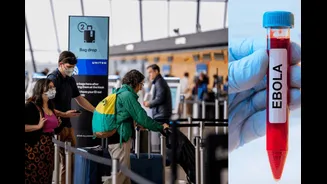
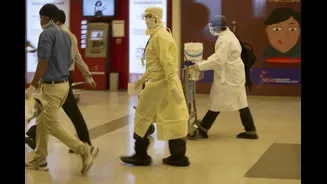
Travellers arriving in India from or transiting through nations affected by the Ebola outbreak can anticipate enhanced scrutiny at major international airports, with Delhi's Indira Gandhi International Airport being a prime example. The Directorate General of Health Services (DGHS) has implemented targeted screening and surveillance protocols specifically for these individuals. Airlines operating flights connected to the affected countries have received instructions to conduct in-flight health announcements and to distribute Self-Declaration Forms (SDFs) to passengers. These forms help in collecting essential information for health monitoring. Passengers exhibiting symptoms suggestive of Ebola or who have had potential contact with bodily fluids of suspected cases are required to report to Airport Health Officers before proceeding through immigration. To manage potential cases swiftly and effectively, airports have established comprehensive facilities, including 24/7 thermal screening, visual monitoring stations, designated isolation bays, and rapid-response ambulance services, ensuring immediate attention for any suspected instances.