

Feathered & Fabulous
The feathered cut, made famous by style icons like Farrah Fawcett, is a quintessential 70s look that continues to inspire. This style is characterized
by its expertly blended layers that give hair incredible volume and a sense of dynamic movement. It's particularly well-suited for individuals with medium to long hair, offering adaptability across a variety of natural hair textures. The key to achieving this look lies in creating lift at the roots and a subtle flick at the ends, often accomplished with a round brush and blow dryer. This technique ensures the hair appears lighter and fuller, embodying the era's signature carefree yet glamorous aesthetic. The feathered style provides a soft, face-framing effect that remains universally flattering, making it a perennial favorite for those seeking a touch of retro sophistication with contemporary appeal. It’s a versatile cut that allows for easy styling and maintenance, fitting seamlessly into modern wardrobes and lifestyles while retaining its distinct 70s essence.
The Effortless Shag
The shag haircut epitomizes the cool, laid-back vibe of the 1970s, characterized by its heavily layered and textured appearance. This style is remarkably versatile, working well with or without bangs and complementing a wide range of face shapes. Its inherent choppiness and movement lend an effortlessly chic, almost 'undone' quality that is highly sought after. To achieve the shag effect, stylists often employ razors or texturizing scissors to create uneven lengths and pieces, resulting in a look that feels lived-in and natural. It’s a style that encourages embracing a bit of dishevelment, often enhanced with texturizing sprays or by scrunching the hair with styling creams to amplify its natural texture. The grown-out shag, in particular, offers a softer, more blended evolution of the original cut, maintaining its cool factor while being even easier to manage. This enduring style continues to be a go-to for those who appreciate a look that is both stylish and unpretentious, perfectly capturing the free-spirited mood of the decade.
Afros & Natural Texture
The afro hairstyle stands as a powerful symbol of natural beauty, pride, and empowerment, making it an indelible part of 70s hair culture. This iconic style celebrates the inherent texture and volume of natural hair, requiring dedicated care to maintain its distinctive shape and health. The picked-out afro, in particular, highlights the beauty of voluminous, naturally textured hair, and its resurgence in popularity reflects a broader appreciation for embracing natural hair. Achieving and maintaining a well-defined afro involves careful cleansing, conditioning, and styling techniques, often utilizing picks and combs to shape and fluff the hair. This style is not just a fashion statement but a celebration of identity and heritage, embodying a bold and confident aesthetic. Its enduring appeal lies in its unapologetic celebration of natural form, offering a striking silhouette that commands attention and admiration. The afro remains a timeless choice for those who wish to express their individuality and embrace their natural beauty with pride and flair.
Voluminous Curls & Waves
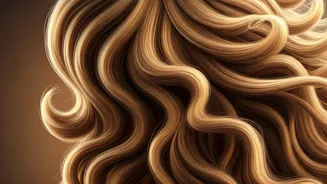
The 1970s were a golden era for voluminous hair, and bountiful curls and waves were central to its glamorous appeal, exemplified by stars like Diana Ross. This aesthetic is all about celebrating and enhancing natural texture, creating an impression of abundant body and movement. Achieving this look often involves using rollers or curling irons to create defined, bouncy curls, which are then gently brushed out to soften the overall effect and add a touch of effortless allure. For those with straighter hair, techniques like using a curling wand from mid-length to the ends can effectively recreate this lush, wavy silhouette. The beauty of this style lies in its versatility; it can be adapted for various hair lengths and textures, always yielding a look that is both sophisticated and full of life. It’s a style that exudes confidence and charisma, capturing the vibrant spirit of the disco era and remaining a beloved choice for those who desire a touch of old-school Hollywood glamour.
Statement Bangs & Center Parts
Bangs were a defining feature of 70s hairstyles, adding flair and framing the face with undeniable style. Full, blunt bangs were particularly popular, offering a bold statement that instantly updated any look with a touch of retro drama. Alongside these were softer, more tapered styles like curtain bangs, which created a more subtle yet equally impactful framing effect. The versatile nature of bangs allowed them to be styled in numerous ways, from being blown forward for a fuller appearance to being swept back to blend seamlessly with the rest of the hair. Paired with a classic center part, these fringe styles created a balanced and flattering silhouette, contributing to the decade's signature blend of effortless cool and polished glamour. Whether styled sleekly or with a touch of tousled texture, bangs from this era continue to be a chic way to add personality and a hint of vintage charm to contemporary hairstyles, proving their timeless appeal.
Accessorized & Styled
Accessorizing played a significant role in shaping 70s hairstyles, with hair scarves and headbands emerging as key elements of the era's distinct look. Scarves, often tied artfully around the head, served both a practical purpose of keeping hair in place and a stylish one, adding a pop of color and pattern. They were frequently seen in films of the period, contributing to a bohemian and free-spirited aesthetic. Similarly, thick fabric headbands, which gained popularity in the preceding decade, remained a staple. Worn over the ears, these accessories were paired with effortlessly wavy or curly hair, amplifying the overall retro vibe. These adornments weren't merely afterthoughts; they were integral to achieving the complete 70s look, adding a polished yet playful finishing touch that enhanced the hairstyle's character and projected a confident, fashionable persona. Their enduring charm lies in their ability to elevate simple hairstyles into statements of personal style.