



The Royal Potato-Free Past
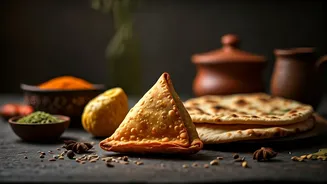
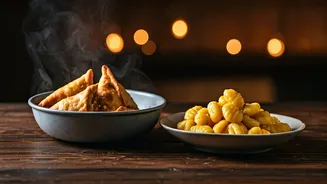
While the potato-stuffed samosa is a ubiquitous Indian delight today, historical evidence suggests this savory pastry's origins lie much earlier, predating
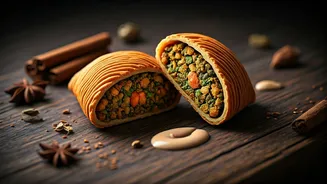
the potato's arrival in India. During the opulent Mughal era, particularly under Emperor Akbar's reign, a distinct version of the samosa existed. The introduction of potatoes to the Indian subcontinent only occurred towards the latter part of the 16th century, brought by Portuguese traders. This timeline clearly indicates that the earliest iterations of the samosa could not have featured potatoes. Ancient Mughal court records, such as the "Ain-i-Akbari," mention a dish akin to the samosa, but crucially, these historical accounts describe them as being filled with minced meat, dried fruits, and an assortment of spices, entirely devoid of any potato filling. This reveals the original samosa as a richer, meat-centric confection, a far cry from the vegetarian staple many enjoy now.
The Aloo's Rise to Stardom
The ubiquitous presence of potatoes in modern samosas is a testament to culinary evolution driven by practicality and accessibility. Once potatoes became integrated into Indian cuisine, their affordability, ease of preparation, and versatility quickly made them an appealing alternative to the traditional meat and dried fruit fillings. Food historians often highlight that the availability of ingredients plays a pivotal role in shaping culinary practices. As home cooks experimented, meats were gradually replaced by a flavorful mix of spices combined with potatoes, peas, and lentils. This adaptation significantly broadened the samosa's appeal, making it a more inclusive snack, especially for vegetarians. Consequently, the contemporary samosa can be seen as a beautiful product of cultural exchange and adaptation, evolving to suit changing tastes and dietary preferences over centuries.
Culture, History, and Authenticity
Delving into the samosa's history offers profound insights into how food acts as a conduit to our past and reflects societal shifts. It also challenges the very notion of a single 'authentic' recipe for any dish, demonstrating that culinary traditions are dynamic and constantly evolving. While the potato-stuffed version dominates today, other variations persist, such as the flavorful keema samosas or sweet dried fruit samosas savored during festive occasions, echoing historical practices. The Mughal recipe simply underscores the enduring spirit of culinary innovation throughout history. Enjoying a samosa without potatoes is not only possible but can be a delicious way to connect with its historical lineage. Each bite can thus become an experience of tasting centuries of evolving culinary traditions, a journey that has culminated on your plate.