






Planning Your Visit
Prepare for your adventure at Theodore Roosevelt National Park with essential information. The park is accessible 24/7, with an entrance fee of $30 per
vehicle for a week-long pass, or an $80 America the Beautiful pass for all U.S. national parks. Be aware that while the park itself remains open, some facilities like visitor centers and roads may have reduced hours or closures during harsh North Dakota winters; always check the official park website for the most current updates. Pets are welcome but are restricted from park trails, making them ideal companions for scenic drives and overlook visits. Crucially, remember that modern conveniences are sparse within the park; ensure you refuel your vehicle and stock up on food and drinks in gateway towns like Medora or Watford City before entering the park's wild embrace.
Best Seasons to Explore
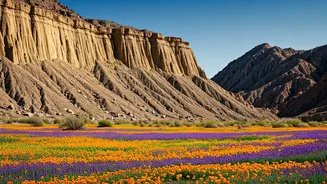
Each season offers a distinct experience at Theodore Roosevelt National Park. Late spring unveils a vibrant landscape of green grasses dotted with wildflowers, a paradise for photographers. Summer brings the busiest period with scheduled ranger programs and open campgrounds, though temperatures can rise significantly. Autumn paints the park in breathtaking fall colors, with golden foliage along the Little Missouri River and the possibility of hearing elk bugle. Winter transforms the park into a serene, snow-covered expanse, offering solitude and unique, albeit potentially challenging, access. For the optimal balance of pleasant weather, active wildlife, and fewer visitors, consider late May through June or September into early October. These shoulder seasons provide the best of the park's natural beauty without the peak season crowds.
Navigating the Park's Units
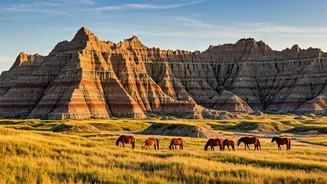
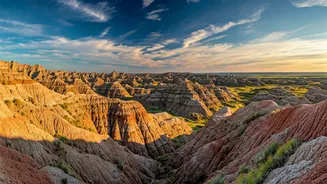
Theodore Roosevelt National Park is divided into three distinct areas, each offering a unique perspective on the North Dakota Badlands. The South Unit, conveniently located near Medora off I-94, is the most accessible and popular. It features the main visitor center and the historic Maltese Cross Cabin, Theodore Roosevelt's former residence. Its 36-mile scenic loop drive showcases many of the park's iconic vistas and wildlife. Further north, approximately 70 miles away, lies the North Unit. This section feels more remote and less frequented, boasting a 14-mile scenic drive that winds along the Little Missouri River, offering stunning views with fewer people. The most secluded of the three is the Elkhorn Ranch Unit, situated between the North and South Units. This is the site of Roosevelt's log cabin, where only stone foundations remain. Reaching this unit requires navigating gravel roads and encountering minimal services, making it an ideal destination for those seeking ultimate solitude and a direct connection to the historical landscape.
Engaging Activities and Wildlife
Beyond hiking, Theodore Roosevelt National Park offers a wealth of engaging activities. Participate in ranger-led programs, which delve into the park's natural history, geology, and wildlife through talks, guided walks, and captivating evening presentations, sometimes even including stargazing sessions. The park is an exceptional destination for wildlife spotting; with fewer crowds, you have excellent opportunities to observe bison roaming freely, wild horses grazing on the hillsides, and bustling prairie dog towns. Binoculars are highly recommended. Explore the breathtaking scenery via the park's scenic drives, particularly the popular 36-mile loop in the South Unit or the 14-mile drive along the Little Missouri River in the North Unit, both offering numerous overlooks. For a more immersive experience, consider horseback riding or mountain biking on segments of the park's trails, including connections to the Maah Daah Hey Trail, a renowned 144-mile route.
Recommended Hikes for All
For those eager to explore on foot, Theodore Roosevelt National Park provides a variety of trails catering to different fitness levels. The Wind Canyon Trail, a short 0.4-mile walk, offers dramatic views of wind-carved cliffs overlooking the Little Missouri River, especially stunning at sunset. The Painted Canyon Nature Trail, a mile long, descends into the heart of the Badlands, allowing you to walk among the vibrant, layered geological formations. The Petrified Forest Trail is a more challenging 10.3-mile loop that takes you through one of the nation's largest petrified forests, featuring ancient fossilized logs scattered across the landscape; remember to bring ample water and sun protection due to the lack of shade. For families and those seeking panoramic vistas, the 0.2-mile Boicourt Overlook Trail is ideal, often providing sightings of wild horses. In the North Unit, the Caprock Coulee Trail, a 1.5-mile loop, offers a comprehensive sample of the park's diverse scenery, including rock formations, prairies, and cottonwood groves.
Lodging and Dining Options
Camping is the only way to stay directly within Theodore Roosevelt National Park. The South Unit features the Cottonwood Campground, a popular and shady spot accommodating tents and RVs, often visited by bison. For a quieter, more rustic experience, the North Unit offers a smaller campground ideal for stargazing. Group sites are also available for those traveling with horses. Outside the park, the charming town of Medora, near the South Unit, provides a range of lodging, including the seasonal Rough Riders Hotel and the Ember Suites, as well as the Western-themed TJ Ranch. Watford City, near the North Unit, offers convenient hotel options. Dining within the park is nonexistent; visitors are strongly advised to pack their own food and water, utilizing the numerous picnic areas. Medora offers several dining establishments, such as the Boots Bar & Grill for casual fare and the Pitchfork Steak Fondue for a unique, seasonal Western dining experience.