


The Myth of Natural Safety
The internet often promotes "natural" ingredients as universally safe for skincare, creating a false sense of security. This perception, amplified by viral
trends, leads many to believe that anything derived from nature is harmless. However, the reality is far more complex. Many natural substances, like poison ivy, are potent irritants. This article explores how common pantry items, mistakenly thought to be gentle, can actually inflict significant damage on the skin's delicate ecosystem. We'll delve into the science that debunks the myth that 'natural' automatically equates to 'safe,' and why treating your face like a food processor can lead to adverse reactions and compromised skin health. Understanding the fundamental differences between culinary and topical applications is crucial for protecting your complexion.
The Perils of Physical Exfoliation
Physical exfoliants found in kitchens, such as sugar and coffee grounds, pose a significant risk to facial skin. Under microscopic examination, these seemingly benign particles reveal jagged edges resembling tiny glass fragments. When scrubbed vigorously into the skin, they don't gently slough off dead cells; instead, they inflict microscopic tears across the epidermis. This trauma leads to rapid moisture loss, leaving the skin severely dehydrated and susceptible to premature aging. Dermatologists strongly advise against using such granular scrubs on the face, recommending them only for tougher skin areas like elbows, and advocating for gentler, acid-based exfoliation methods that offer controlled removal of dead skin cells without causing micro-tears.
Essential Oils' Hidden Dangers
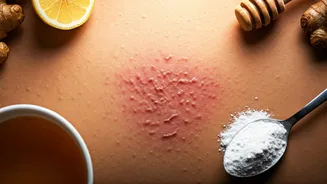
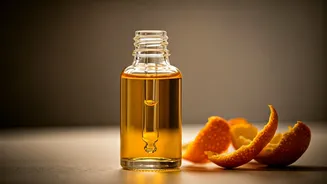
While essential oils like tea tree and lavender are praised for their natural scents and perceived therapeutic properties, their concentrated nature makes them potent irritants. Applying them undiluted directly to the skin, even for spot treatments, can lead to severe allergic reactions. These highly volatile plant chemicals, though smelling pleasant, contain compounds like linalool that can trigger Allergic Contact Dermatitis. Repeated exposure can lead to sensitization, where the immune system overreacts, resulting in intensely itchy, weeping rashes. The natural origin of these oils doesn't negate their potential for harm; much like poison ivy, natural doesn't always mean safe.
The Risk of Fresh Concoctions
Homemade skincare mixtures, such as those using raw egg whites or blended oats, carry significant microbiological risks due to the absence of preservatives. Commercial skincare products incorporate broad-spectrum preservatives to prevent microbial growth, a vital step often overlooked in DIY recipes. Raw egg whites, for instance, can harbor Salmonella, posing a risk of topical infection. Similarly, mixtures like oatmeal-milk pastes can quickly become breeding grounds for bacteria and fungi within 48 hours, especially when left out at room temperature. Applying these spoiled, contaminated concoctions to compromised skin can lead to severe breakouts, cystic acne, and fungal infections, highlighting why the kitchen is best left for cooking.
Lemon Juice: The Acid Burn
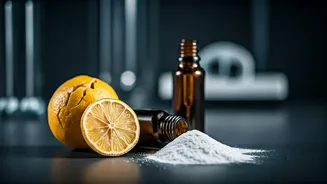
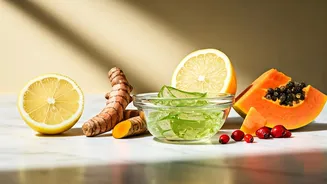
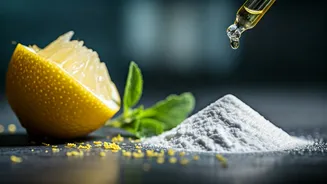
Applying raw lemon juice to the skin for a "brightening" effect is a dangerous practice due to its extremely low pH. While healthy skin functions best around a pH of 5, lemons possess a harsh pH of 2, akin to battery acid. This causes a localized chemical burn rather than skin brightening. Furthermore, lemons contain psoralens, compounds that react severely with sunlight. Exposure to the sun after applying lemon juice can result in phytophotodermatitis, a painful condition causing blistering and intense inflammation. For individuals with melanin-rich Indian skin tones, this "glow hack" can lead to stubborn dark marks and hyperpigmentation that are difficult to treat and may take months to fade.
Baking Soda: The Alkaline Nightmare
Baking soda, with its highly alkaline pH of 9, acts as an "alkaline nightmare" for the skin, contrary to its purported exfoliating benefits. Using it aggressively disrupts and destroys the skin's natural acid mantle, which is crucial for defense. This forceful elevation of the skin's pH strips away essential lipids, leaving the skin vulnerable and creating an ideal environment for acne-causing bacteria. Rather than drying out pimples, baking soda compromises the structural integrity of the surrounding tissue, leading to chronic dryness, irritation, and a rebound effect of increased oil production as the skin attempts to compensate for the damage.