




Demand Surge Explained
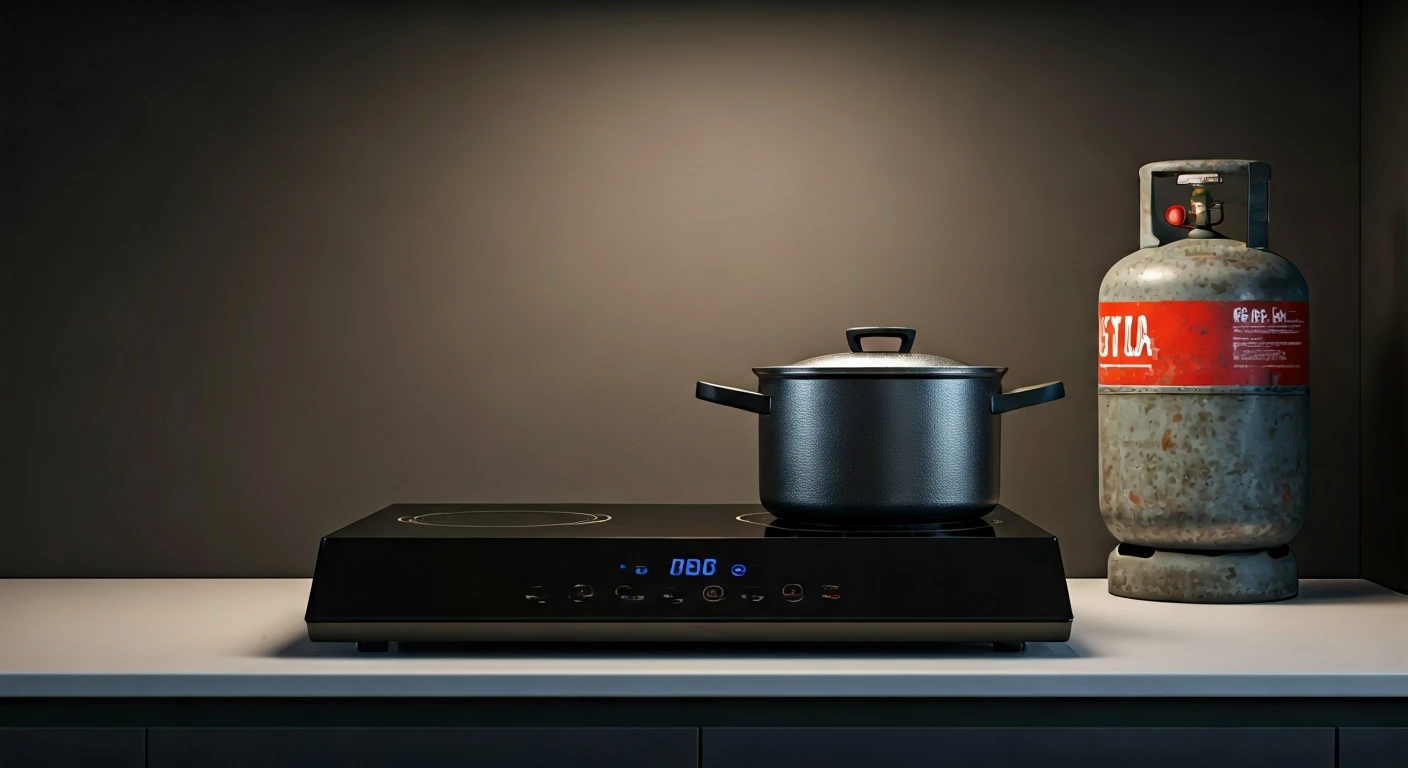
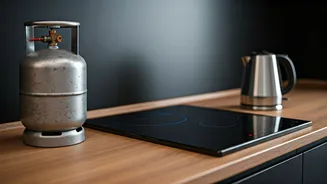
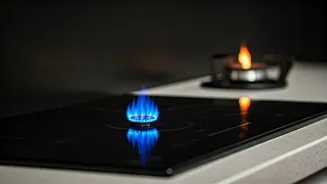
A significant disruption in the commercial LPG supply chain across various Indian cities has created a compelling need for alternative cooking solutions.
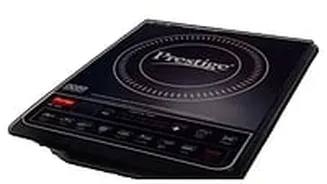
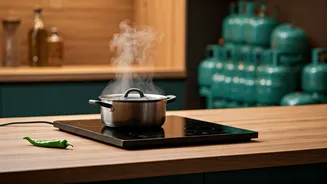
This scarcity has directly translated into a dramatic rise in the popularity of electric cooking appliances, with induction cooktops leading the charge. Manufacturers like Stovekraft, known for its Pigeon brand, have witnessed a substantial increase in weekly sales, prompting plans to boost production. E-commerce platforms are experiencing an even more pronounced effect, with rapid quick commerce sales leaping tenfold and many items quickly selling out. Major online retailers are reporting extraordinary spikes; one platform noted a nearly twenty-fold increase in induction cooktop orders within a single 24-hour period. Another e-commerce giant confirmed a fourfold jump in sales volume over a few days compared to the preceding weeks, with specific urban centers showing particularly high interest. This trend isn't confined to just induction models; other electric kitchen gadgets such as electric kettles and air fryers are also seeing a notable uptick in consumer interest as people actively seek out electric substitutes for their gas-based cooking routines.
Broader Electric Appliance Uptake
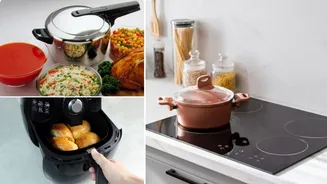
The move away from LPG isn't solely focused on induction cooktops; a wider array of electric kitchen appliances are experiencing a significant boost in demand. Online retailers are observing this broader trend, with reports indicating substantial sales increases across multiple categories. For instance, one major platform saw induction cooktop sales multiply by 30 times in a recent two-day span, while sales of rice cookers and electric pressure cookers quadrupled. Even items like air fryers and multi-use kettles are experiencing a doubling of sales compared to typical days. Consumers are leveraging fast delivery services to acquire these products rapidly in major metropolitan areas. Physical electronics retailers are also noting a sharp increase in customer foot traffic specifically for induction cooktops, with several stores quickly depleting their stock. If this demand continues unabated, widespread shortages of these appliances could become a reality in the near future. Retailers are reporting a significant and immediate surge in demand for induction cooktops, with average daily sales rates soaring. This heightened interest is leading some customers to purchase multiple units at once, a behavior previously uncommon, suggesting a proactive approach to securing cooking solutions amidst uncertainty about LPG availability. The trend extends to other electric kitchenware, with electric kettle sales nearly doubling, underscoring a widespread shift towards electric cooking solutions.
Navigating the Switch
Transitioning to induction cooking, while increasingly popular, presents several practical considerations for consumers. A primary requirement for induction cooktops is the use of compatible cookware, typically those made from stainless steel or cast iron with flat bottoms. This means many households may need to invest in new sets of utensils, adding an extra cost to the switch. For commercial kitchens, the expense of adapting to electric induction can be considerably higher. Retrofitting an existing LPG-powered kitchen to accommodate electric induction burners could involve significant outlays, potentially running into lakhs of rupees, along with the necessity of ensuring adequate electrical infrastructure and backup power systems. Beyond the initial setup, there are also ongoing cost implications. Although induction cooktops are highly energy-efficient and minimize heat wastage compared to traditional gas stoves, the per-unit cost of electricity is generally higher than that of LPG. Frequent use of induction cooking can lead to an additional monthly electricity consumption ranging from approximately 60 to 150 units, depending on individual cooking habits. For example, a household that previously used around 180 units of electricity per month could see its consumption rise to roughly 300 units after switching. If this increased usage pushes the household into a higher electricity tariff bracket, for instance, from ₹5 to ₹8 per unit, their monthly electricity bill could increase by an estimated ₹600 to ₹1,200. Despite these potential increases in costs, consumers are currently demonstrating a willingness to bear the higher electricity expenses as the immediate need for cooking alternatives outweighs the financial concerns.