





Charting Your Diet
Understanding your body's specific responses to food is paramount when managing Ulcerative Colitis. Keeping a meticulous food-symptom journal, even for
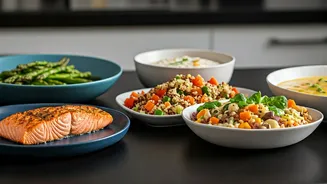
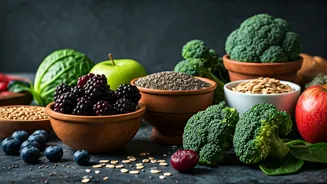
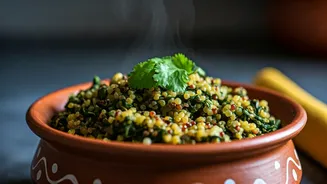
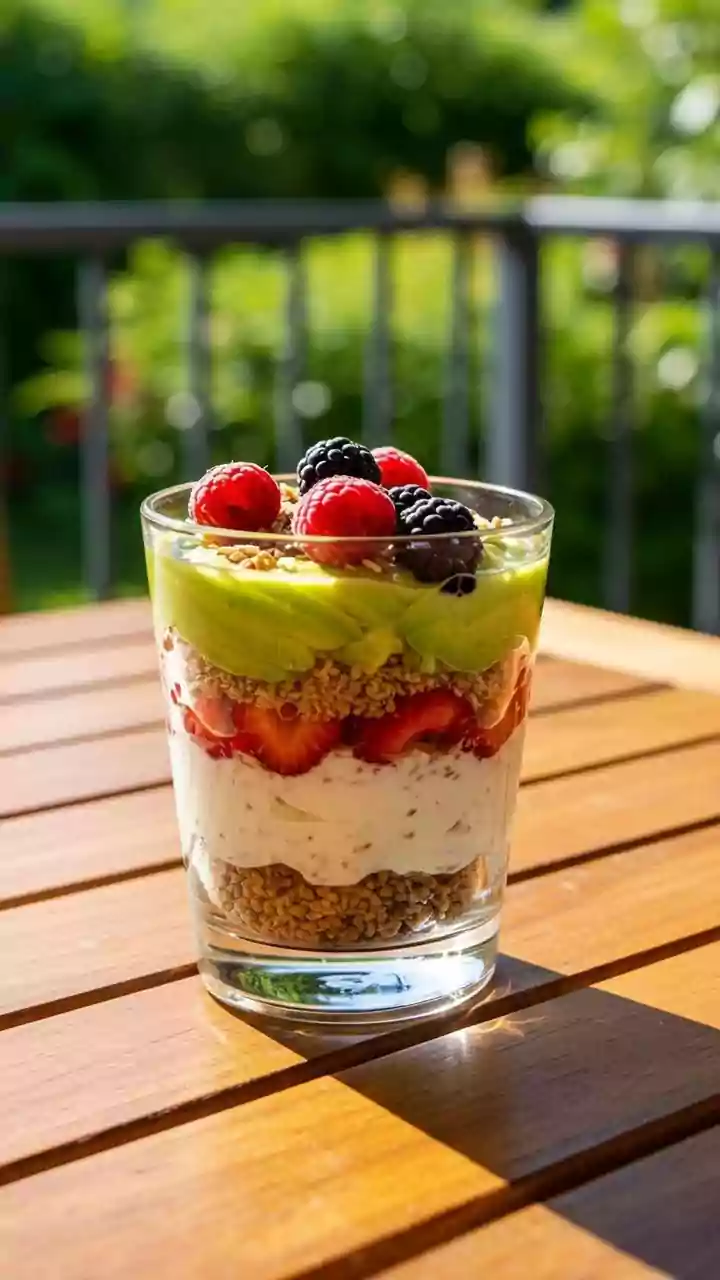
just a few days each week, allows you to meticulously track your meals and any subsequent symptoms. This practice is invaluable for identifying personal dietary triggers and patterns that might otherwise go unnoticed. Beyond tracking, proactive planning for meals is crucial. This involves preparing dishes in advance, reviewing restaurant menus prior to dining out, or packing pre-approved snacks for excursions. Such foresight significantly alleviates stress and ensures that you can consistently make nutritious choices, even when on the go or facing an unpredictable schedule. Remember, while general UC dietary guidelines exist, your individual needs are unique and may evolve, particularly between flare-ups and periods of remission. During a flare, focusing on bland, easily digestible cooked foods like well-cooked vegetables, lean proteins such as fish or eggs, and smooth soups or smoothies can help minimize irritation. Conversely, during remission, a more varied, anti-inflammatory diet rich in colorful produce, whole grains, healthy fats, and lean proteins can support gut health and potentially ward off future flares. However, it's vital to approach this with personalized care, as what works for one person may not suit another. Always consult with a healthcare professional for tailored advice.
Vital Lifestyle Habits
Beyond dietary considerations, several key lifestyle habits can significantly enhance your well-being while living with Ulcerative Colitis. Prioritizing quality sleep is fundamental; aiming for seven to eight hours nightly can bolster your immune system, potentially mitigate inflammation, and elevate your overall sense of health. Establishing simple pre-sleep rituals, such as reducing caffeine intake in the afternoon and dimming lights before bed, can promote more restful sleep. Equally important is diligent stress management, as chronic stress has been linked to an increased likelihood of UC flare-ups. Engaging in stress-reducing activities like deep breathing exercises, meditation, prayer, gentle movement, spending time in nature, or stretching can effectively help regulate your stress levels. These practices contribute to a more balanced state, which is beneficial for managing a chronic condition like UC. Furthermore, cultivating a strong partnership with your healthcare team is non-negotiable. While these self-care tips and recipe suggestions offer valuable support, they are intended to complement, not replace, professional medical guidance. Regular collaboration with your gastroenterologist and a registered dietitian specializing in UC ensures you receive individualized medical and nutritional advice tailored to your specific condition and needs.
Addressing UC Fears
Living with Ulcerative Colitis often brings unique fears and misconceptions, but understanding these can pave the way for overcoming them. A prevalent concern is the belief that UC restricts one to a severely limited diet indefinitely, making eating unenjoyable. However, this is often not the case, especially once remission is achieved. With the guidance of a registered dietitian, many individuals can gradually reintroduce a variety of foods and build a balanced, palatable eating pattern. Another common apprehension revolves around maintaining a social life, dining out, or traveling with UC. While planning is essential, it doesn't necessitate isolation. Reviewing menus beforehand, requesting meal modifications, and packing safe snacks can build confidence. Additionally, being aware of restroom availability can reduce anxiety. Lastly, the fear that the gut will never fully recover is understandable, particularly during challenging periods. Yet, with consistent, comprehensive care—encompassing nutrition, sleep, stress management, microbiome health, and prescribed medications—many people successfully achieve and sustain remission, leading to improved gut health and overall quality of life.