




Lentil Harmony is Key
Achieving the ultimate fluffy dahi vada hinges on more than just the recipe; it's about how you prepare the batter. A crucial first step involves selecting
the right combination of lentils. While urad dal is traditional, incorporating a portion of moong dal into your mix significantly enhances the lightness and softness of the vadas. This balanced blend creates a more delicate texture, setting the stage for that desirable melt-in-your-mouth experience, differentiating them from vadas made with a single lentil variety.
The Essential Float Test
Before you even think about frying, there's a simple yet vital test to ensure your batter is ready: the float test. Take a small spoonful of your prepared batter and gently drop it into a bowl of water. If the batter readily floats on the surface, it indicates that sufficient air has been incorporated, and it possesses the perfect consistency for frying. This easy verification method guarantees that your vadas will puff up beautifully and remain light, avoiding any dense or heavy outcomes.
Thick Batter Secrets
The consistency of your batter is paramount to achieving fluffy vadas. When grinding your lentils, exercise extreme caution with water. You should add only the bare minimum amount, just enough to help the grinding process along. A batter that is too thin or watery will result in vadas that spread out and become flat and dense during frying. Maintaining a thick, cohesive batter is essential for them to hold their shape and develop that characteristic soft, airy interior.
Medium Heat Frying
The temperature of your frying oil plays a critical role in the final texture of your dahi vadas. The oil should neither be excessively hot nor too cool. Frying at a consistent medium heat is ideal. This temperature ensures that the vadas cook through evenly, developing a perfectly crisp exterior while remaining wonderfully soft and tender on the inside. Crucially, medium heat also prevents the vadas from absorbing too much oil, keeping them from becoming greasy.
Whisk for Air
A dedicated whisking step can transform your dahi vada batter from good to exceptional. Once you have your initial batter, spend time beating it vigorously. You'll know you've achieved the right aeration when the batter becomes noticeably lighter, develops an almost foamy texture, and appears to have nearly doubled in volume. This process of incorporating air is the cornerstone of creating those incredibly soft and spongy bhallas that are characteristic of a truly delicious dahi vada.
Warm Water Soaking
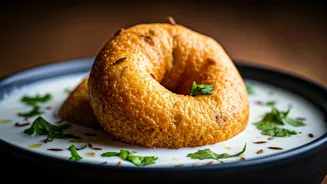
The final step in preparing your dahi vadas, after they have been fried, is the soaking process, and it's crucial for achieving ultimate softness. After frying, place the vadas in warm water and let them soak for a duration of 15 to 20 minutes. Once soaked, gently press them to expel excess water. This soaking technique ensures that the vadas become incredibly soft and spongy, perfectly preparing them to absorb the creamy yogurt and flavorful seasonings they will be served with.