




Smoothie Essentials Unveiled
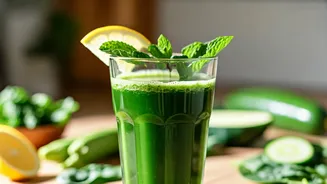
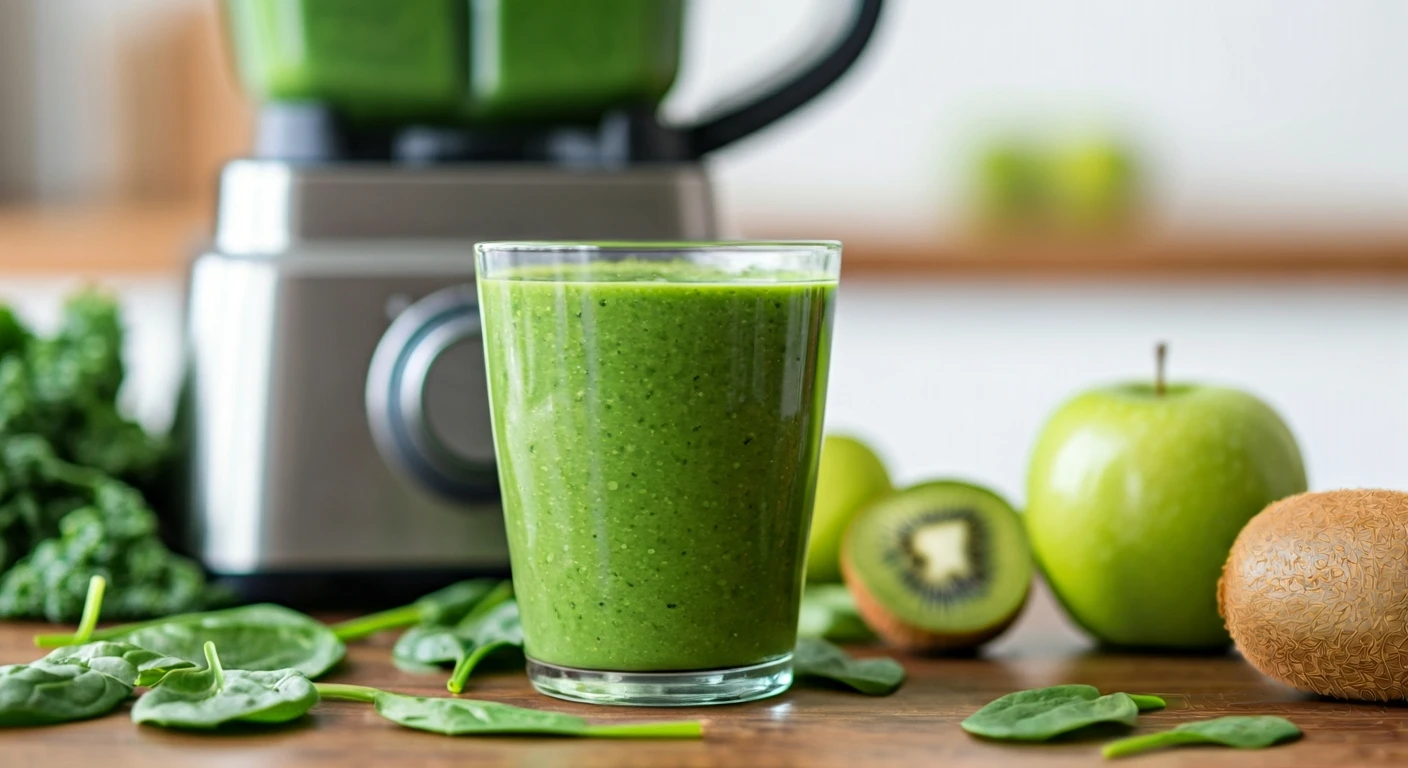
Creating a green smoothie that hits the mark is all about understanding the building blocks. The ideal smoothie balances leafy greens, fruits, and a liquid
base. Leafy greens like spinach offer a mild flavor, while fruits such as bananas and mangoes bring natural sweetness and thickness. The liquid base, often water, almond milk, or coconut water, determines the consistency. Adding healthy fats like avocado enhances creaminess and supports nutrient absorption, while a scoop of protein powder boosts the smoothie's nutritional profile. Experimenting with different combinations allows you to discover your favorite flavors and tailor the smoothies to your individual health objectives, making it an enjoyable and customizable experience.
Leafy Greens to Include
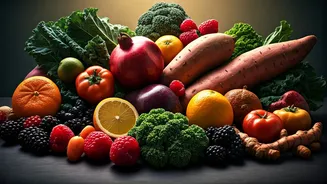
The cornerstone of a healthy green smoothie is the leafy greens. Spinach is a fantastic starting point due to its gentle flavor profile, making it easy to incorporate into various recipes without overpowering the other ingredients. Kale is another robust option, packed with nutrients, but it has a stronger taste; therefore, it’s best paired with sweeter fruits like pineapple or mango to balance the flavors. Romaine lettuce and Swiss chard also are suitable choices, contributing essential vitamins and minerals. The key is to select greens that you enjoy and that align with your taste preferences. Remember, even a small amount of greens can make a significant nutritional impact, and the more variety you incorporate, the more diverse the health benefits.
Fabulous Fruit Additions
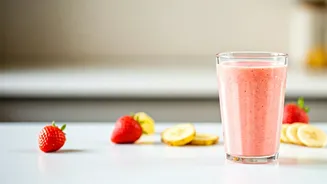
Fruit is essential for adding sweetness, flavor, and texture to your green smoothies. Bananas are a staple; they provide a creamy consistency and natural sweetness. Berries, such as blueberries and strawberries, offer antioxidants and a lovely tartness that complements the greens. Mangoes and pineapples provide a tropical twist, enhancing both flavor and creaminess. Avocados, though technically a fruit, contribute healthy fats, resulting in a richer, more satisfying smoothie. Experimenting with different combinations allows you to create smoothies that not only taste delicious but also deliver a wide range of vitamins and minerals. Consider the fruit's ripeness and sweetness, adjusting as necessary to achieve your preferred taste and texture profile.
Best Liquid Base Options
The liquid base is crucial to control the consistency and blend of your green smoothie. Water is a simple and neutral choice, allowing the flavors of the fruits and greens to truly shine. Almond milk provides a subtle nutty flavor and creaminess, making it a good choice for those avoiding dairy. Coconut water adds a touch of sweetness and electrolytes, which can be particularly refreshing. Consider the overall flavor profile you are aiming for. For a thicker smoothie, start with a smaller amount of liquid and add more as needed to achieve your ideal consistency. The liquid base impacts both the taste and the texture of your smoothie, so it’s essential to choose one that complements your chosen ingredients.
Boost with Add-Ins
Adding additional ingredients helps to enhance both the flavor and nutritional value of your smoothie. Protein powders are a great option after workouts and for adding to your daily protein intake. Seeds, such as chia seeds or flax seeds, contribute healthy fats, fiber, and omega-3 fatty acids, promoting better health. Nut butters provide healthy fats, and a rich, creamy texture, as well as protein. Incorporating superfoods like spirulina or matcha powder adds extra vitamins, minerals, and antioxidants. These additions allow you to customize your smoothie to meet your specific nutritional needs and preferences, turning it into a complete and satisfying meal or snack.
Green Smoothie Recipes
Here are a few popular green smoothie recipes to get you started on your smoothie journey. Begin with a classic spinach and banana smoothie: combine a handful of spinach, one banana, a cup of water, and a scoop of protein powder. For a tropical twist, blend kale, mango, pineapple, and coconut water. Another option is a berry-rich smoothie: mix spinach, blueberries, strawberries, avocado, and almond milk. Adjust the sweetness and texture by adding extra fruits or liquid, and experiment with different combinations to create your signature smoothie recipes. Remember to start simple and adapt recipes to your specific tastes.
Tips for Perfect Texture
The consistency of your green smoothie is important, as it impacts the overall enjoyment. The key is to blend the ingredients thoroughly, which is often best achieved using a high-powered blender. Begin with the liquid base at the bottom of the blender, followed by the greens, then the fruits, and finally any additional ingredients like seeds or protein powder. This order helps the ingredients blend more efficiently. Add ice if you prefer a colder, thicker smoothie. If the smoothie is too thick, add more liquid, and if it's too thin, incorporate more frozen fruit or ice. Practice makes perfect, and with a few tries, you will be able to make the ideal texture for your smoothie.
Embrace Smoothie Making
Making green smoothies at home is a fun, convenient, and healthy way to elevate your diet. Always make sure to wash all ingredients, especially the greens and fruits. Prepping ingredients in advance, such as washing and chopping greens or freezing fruit, can save valuable time during busy mornings. Have fun experimenting with different recipes, and remember that taste is subjective. Modify recipes to suit your palate and dietary needs. Whether you're a beginner or an experienced smoothie maker, there is always something new to discover. You’ll find yourself enjoying the experience and looking forward to creating healthy and delicious smoothies.