
Retail's Supply Chain Focus
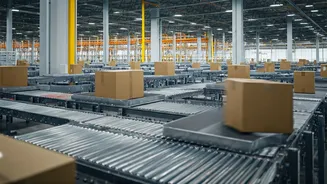
The Indian retail industry has been consistently working towards enhancing its supply chains, aiming for greater resilience and efficiency. A strong supply chain is vital
for all segments, especially apparel retailers, as they seek to meet consumer demand promptly and reduce operational costs. The significance of an optimized supply chain extends beyond mere logistics, impacting inventory management, order fulfillment, and ultimately, customer satisfaction. By adopting technology and better management practices, retailers strive to reduce lead times, improve stock accuracy, and adapt quickly to shifting market trends. This ongoing focus is driven by the need to become more competitive and navigate the increasing complexities of the modern retail environment.
GST 2.0 and Apparel
Apparel retailers are particularly keen on the potential of GST 2.0. The expectation is that simplified tax structures and improved compliance can lead to various advantages. A more streamlined GST framework may reduce the tax burden, make compliance easier, and reduce the chances of errors. These improvements could lead to better pricing strategies and increased profitability for apparel retailers. Enhanced logistics systems combined with tax reforms could also speed up the delivery process and provide a seamless shopping experience for consumers. Such changes are expected to contribute to a more dynamic and competitive apparel retail landscape across India.
2026 Budget's Influence
The upcoming 2026 budget is seen as a key factor in the revival of retail consumption in India. Retail businesses are closely monitoring the budget, and hopeful about potential policy changes that could stimulate spending. Simplification in GST processes, reductions in tax rates, or new incentives for retailers can all enhance consumer confidence and drive sales. Furthermore, any investment in infrastructure, such as better transportation networks, could improve logistics and reduce costs for retailers, ultimately benefiting consumers. Businesses anticipate that the budget's influence will shape the direction of the industry and influence how consumers spend their money.
Home Segment's Tax Concerns
The furniture and home segment of the retail industry is also seeking simpler tax regulations. This sector is particularly sensitive to tax complexities due to the diverse range of products and complex supply chains. A simpler tax structure would benefit this segment by making it easier to manage costs and prices. Simplifying tax processes would lessen the operational challenges of handling multiple tax categories, and also reduce the administrative burden on businesses. This could result in more competitive pricing, thereby boosting demand. Overall, simpler taxation policies are seen as crucial for the sustained growth and expansion of the home goods market within India.