






Softer Towels Unveiled
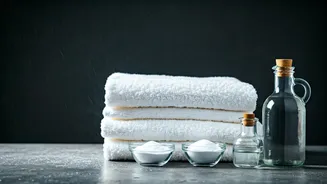
Achieve luxuriously soft towels with simple, common household ingredients. Instead of reaching for fabric softener, consider using a cup of white vinegar
in your rinse cycle to help break down detergent residue and mineral buildup that can make towels stiff. Another effective method is adding half a cup of baking soda to the wash cycle along with your regular detergent; this helps to boost the detergent's cleaning power and also acts as a natural deodorizer. Avoiding fabric softeners and dryer sheets can also contribute to better absorbency and a softer feel over time, as these products can coat the fibers. Furthermore, ensure you're not overloading the washing machine or dryer, as this restricts airflow and prevents items from tumbling freely, which is crucial for softness. Regular cleaning of your washing machine itself, including the detergent dispenser and drum, can prevent residue transfer that might be making your towels feel less than ideal.
Seasonal Decluttering
As seasons change, it’s the perfect opportunity to reassess your belongings and declutter effectively. Spring cleaning, in particular, calls for a thorough review of items that have accumulated and may no longer serve a purpose. Consider tossing items that are worn out beyond repair, such as old towels with frayed edges, stained clothing that won't come clean, or broken household gadgets. Donate items in good condition that you no longer use, like books you've read or clothes that no longer fit. This process not only frees up space but also reduces the mental load associated with clutter. For items like bedding or specific clothing, consider if they're still relevant to the upcoming season. For instance, heavy winter blankets might be packed away to make room for lighter linens as warmer weather approaches. Regularly paring down possessions ensures your living space remains functional and serene.
Comforter Care Mistakes
Many people inadvertently make common mistakes when cleaning comforters, leading to musty odors and reduced loft, especially after winter storage. A frequent error is not ensuring the comforter is completely dry before putting it away, which can encourage mold and mildew growth. Another pitfall is using excessive detergent, which can be difficult to rinse out and leave behind residue that traps moisture and dirt. Overloading the washing machine is also detrimental, as it prevents the comforter from moving freely, hindering proper cleaning and rinsing. Some individuals also skip the crucial step of fluffing the comforter during the drying cycle, which is essential for redistributing the filling and restoring its shape and warmth. For down comforters, a gentle cycle and low heat are paramount, and using wool dryer balls can help break up clumps of filling as it dries. Always check the care label for specific instructions to avoid damaging the filling or fabric.
Peroxide's Cleaning Power
Hydrogen peroxide is a remarkably versatile cleaning agent, capable of tackling a multitude of tasks around the house, particularly in the bathroom. Its disinfectant properties make it excellent for sanitizing surfaces like countertops, sinks, and shower stalls. For stubborn soap scum and mildew, a spray of hydrogen peroxide left to sit for a few minutes before scrubbing can effectively lift grime. It can also be used to whiten grout, bringing back its original brightness. For tougher stains on fabric, a diluted peroxide solution can sometimes work as a spot treatment. However, it's important to test peroxide on an inconspicuous area first, especially on colored surfaces, as it can have a bleaching effect. Its ability to break down organic matter also makes it effective for deodorizing, making it a dual-action cleaner for maintaining a fresh bathroom environment. When used on various surfaces, it offers a powerful yet relatively gentle alternative to harsher chemicals.
Washing Frequency Guide
Professional cleaners emphasize that certain household items require more frequent washing, especially during colder months when we spend more time indoors. Items like throw blankets and sweatshirts, which are in constant contact with our skin and often used for lounging, can harbor sweat and oils. Face towels, used daily to dry the face, can accumulate bacteria and should ideally be washed after every few uses, or even daily for those with acne-prone skin. Curtains, often overlooked, can trap dust, allergens, and airborne particles, and washing them annually is a minimum recommendation to maintain air quality and appearance. Even headboards, which are frequently touched and can accumulate dust and skin cells, benefit from regular cleaning. Understanding the contact and usage frequency of each item helps determine the optimal washing schedule to keep your home hygienic.
Preventing Sheet Balling
Tired of finding your sheets balled up inside duvet covers or clumped together in the dryer? Several techniques can help prevent this frustrating occurrence. Firstly, ensure you're not overloading the washing machine or dryer, as insufficient space for items to tumble freely is a primary cause of balling. For duvet covers, using a few safety pins to secure the corners of the duvet to the corners of the cover before washing can keep them aligned. When drying sheets, consider adding a few dryer balls; these help to separate the fabrics and promote more even drying, reducing the chances of items clumping together. Washing sheets separately from heavier items like towels or jeans can also make a significant difference. Some people find that turning duvet covers inside out before washing helps prevent the inner lining from bunching up. Consistent application of these methods leads to smoother, less wrinkled sheets and more efficient drying cycles.
Towel Hygiene Essentials
Proper towel hygiene is paramount for preventing the spread of germs and maintaining personal cleanliness, and professionals strongly advise against certain practices. Washing bathroom and kitchen towels together is a significant no-no, as kitchen towels are more prone to contamination from food preparation, potentially transferring bacteria to items used on the face and body. Storing towels directly in the bathroom, especially in humid environments, can lead to prolonged dampness, fostering bacterial and mold growth. Instead, consider storing spare towels in a dry, well-ventilated area outside the bathroom, like a linen closet. Furthermore, the frequency of washing face towels is crucial; while not necessarily after every single use for everyone, regular washing is essential to prevent the buildup of oils, dead skin cells, and bacteria that could lead to skin issues. Aim to wash face towels every two to three uses, or more frequently if you have sensitive or acne-prone skin.
Folding Fitted Sheets
Folding a fitted sheet might seem like a daunting task, but there's an easy, pro-approved method to achieve neatness. Start by holding the sheet lengthwise with the elasticized corners facing inward. Tuck one corner into the other, creating a neat, double-folded pocket. Repeat this process with the remaining two corners on the opposite side, essentially creating two pairs of nested corners. Then, bring these two folded halves together, tucking one into the other, so all four elasticized corners are neatly stacked. Lay the sheet flat on a surface, and smooth out the fabric to create a rectangular shape. Fold this rectangle into thirds or quarters, depending on your storage space. This technique ensures the elastic edges are contained, resulting in a tidy, flat package that’s easy to store without taking up excessive room or looking messy.
Laundry Machine Secrets
Hidden within your washing machine is a small but vital component that often goes unnoticed: the lint trap or filter. Located typically at the bottom of the machine, behind a small door, this is where lost socks and other small items often end up. Regularly cleaning this filter is crucial not only for retrieving misplaced socks but also for maintaining the efficiency of your washing machine. A clogged filter can impede water drainage, leading to longer wash cycles and potentially damaging the machine over time. Furthermore, accumulated lint and debris can harbor odors and even become a fire hazard. Periodically checking and cleaning this forgotten area ensures your laundry appliance operates smoothly and prevents the mysterious disappearance of small garments, contributing to a more efficient and hygienic laundry process overall.
Winter Laundry Indoors
Air-drying laundry indoors during winter is a common practice, but experts offer nuanced advice. While it can save energy and be a gentle method for fabrics, it comes with potential drawbacks. The primary concern is increased indoor humidity, which can contribute to condensation on windows, foster mold growth, and exacerbate allergies in sensitive individuals. It's advisable to ensure good ventilation by opening windows periodically or using a dehumidifier to manage moisture levels. Strategically placing drying racks near a heat source (but not too close to pose a fire risk) can speed up the drying process. However, bulky items like heavy blankets or down comforters may take a very long time to dry indoors, increasing the risk of developing musty odors. For quicker drying and better loft, especially for these items, using a dryer on a low heat setting, perhaps with dryer balls, is often recommended, even in winter.